 Sarasota Roofing
 New Roof Installation in Bradenton
Bradenton homes sit in one of the harder climates in the country to keep a roof watertight. Between hurricane-force wind events, near-constant UV exposure, wind-driven rain that finds every weak seam, and salt air drifting in off the Gulf, a roof here is doing more work than the same roof would in almost any other part of the country. A new roof installation is one of the few home improvement projects where the difference between "done" and "done correctly" shows up years later, usually during a storm, usually at the worst possible time. This page covers what a proper installation looks like for a Bradenton home, what we actually do on the job, and why local experience matters more than it might seem.
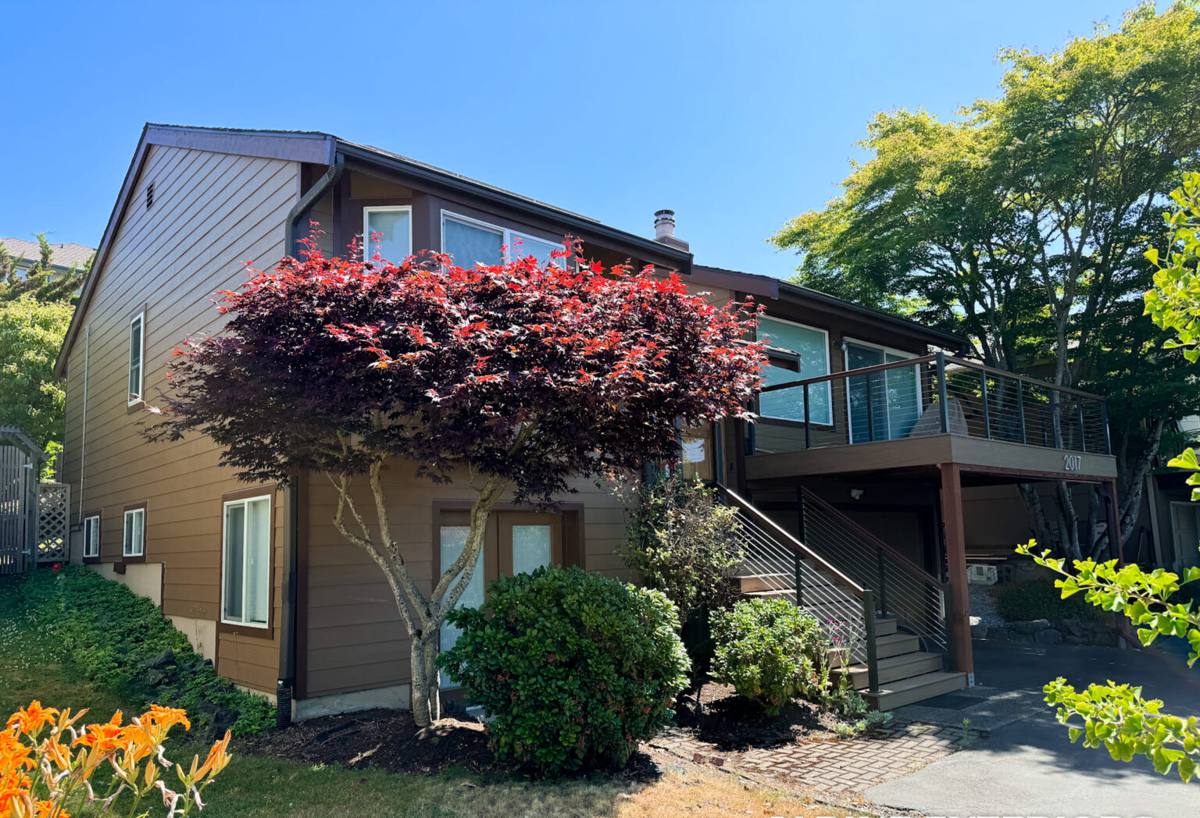
What Bradenton's Climate Demands From a Roof
It helps to be specific about what a roof is up against here, because it changes what "correct installation" actually means.
Wind
Tropical storms and hurricanes are a seasonal reality on this stretch of the Gulf Coast. Wind doesn't just tear at shingles from above — it gets underneath them at edges, ridges, and rakes if fasteners, nailing patterns, or starter courses aren't done to spec. Most roof failures we see in wind events trace back to installation shortcuts, not bad materials.
UV and heat
Florida sun ages roofing material faster than it ages in cooler, cloudier climates. Asphalt shingles lose oils and granules over time under constant UV load, and attic temperatures under a poorly ventilated roof can climb well past what the shingles or decking were designed to handle long-term.
Wind-driven rain
Rain that falls straight down is easy to shed. Rain pushed sideways by 40-60 mph gusts finds its way under laps, around penetrations, and through any flashing that wasn't sealed and fastened correctly. This is the single biggest cause of hidden leaks in coastal homes.
Salt air
Being close to the Gulf means airborne salt accelerates corrosion on exposed metal — fasteners, flashing, vents, and drip edge. Material choice and fastener grade matter more here than they do further inland.
What a Correct New Roof Installation Actually Involves
A new roof is more than shingles or panels laid over the old deck. Every layer underneath does specific work, and skipping or rushing any one of them is how a roof that looks fine on day one starts leaking two years in.
Tear-off and deck inspection
We remove the old roofing material down to the deck rather than installing over it. This is the only way to actually see what's underneath — soft spots, rot, or water damage that won't show up from the ground. Any damaged decking gets replaced before anything new goes down; installing new roofing over a compromised deck just hides the problem and shortens the life of the new roof.
Underlayment
The underlayment is the roof's backup waterproofing layer, and in a wind-driven-rain climate it's not optional insurance — it's frequently what actually keeps water out when wind pushes rain up under the primary roofing material. We install it to manufacturer and code specification, with attention to overlap and fastening at edges and penetrations.
Flashing
Flashing around chimneys, skylights, walls, and roof-to-wall transitions is where the majority of leaks originate on almost any roof, in any climate. It has to be formed, lapped, and sealed correctly, not just caulked over. We replace flashing as part of a new roof rather than reusing old pieces that have already been through years of expansion, contraction, and corrosion.
Fastening and wind resistance
Nailing pattern, fastener count, and fastener placement are what a roof's actual wind rating depends on — not just the material itself. We follow the nailing schedule required for the wind zone and material, including the additional fasteners typically required at eaves, rakes, and ridges where uplift pressure is highest.
Ventilation
Proper intake and exhaust ventilation keeps attic temperatures and moisture in check, which protects both the roof deck from underneath and the shingles from premature aging due to trapped heat. We evaluate existing ventilation during the estimate and correct it as part of the installation where it's inadequate.
Choosing a Roofing Material for a Bradenton Home
There's no single "best" roofing material — the right choice depends on budget, roof design, HOA requirements if applicable, and how long you want the roof to last before its next replacement. Here's an honest comparison of the main options we install.
| Material | Typical Lifespan | Wind Performance | Maintenance | Relative Cost |
|---|---|---|---|---|
| Architectural asphalt shingle | 20-30 years | Strong when properly fastened and rated for the zone | Low; periodic inspection | $ |
| Standing seam metal | 40-50+ years | Excellent; fewer exposed edges for wind to catch | Very low | $$$ |
| Concrete or clay tile | 40-50+ years | Good when installed with correct fastening and underlayment; individual tiles can crack from impact | Moderate; occasional tile replacement | $$$ |
| 3-tab asphalt shingle | 15-20 years | Lower wind resistance than architectural shingles | Low | $ |
We'll walk through these trade-offs at the estimate based on your roof's slope, structure, and what you're trying to optimize for — lowest upfront cost, longest lifespan, or lowest long-term maintenance.
Our Installation Process
- Inspection and estimate. We look at the current roof, deck condition where visible, and ventilation setup, and give you a straightforward written estimate — no pressure, no inflated urgency.
- Permitting. New roof installations require a building permit and inspection. We handle the permit application and coordinate the required inspections.
- Tear-off and disposal. Old material comes off and is hauled away; the deck is inspected and any damaged sections are documented and replaced.
- Underlayment and flashing. New underlayment and flashing go in before any finish material, sealing every penetration and transition.
- Installation. Shingles, panels, or tile are installed to the fastening schedule required for the wind zone and material.
- Cleanup and final inspection. The job site is cleaned, including a magnetic sweep for stray nails, and the roof goes through its final permit inspection.
Permitting and Local Code
Roofing work in this part of the Gulf Coast is governed by the Florida Building Code's wind-borne debris and uplift requirements, and permitting is handled at the county and municipal level depending on exactly where the home sits. We pull the required permits and build to the fastening and material standards those permits require rather than treating code minimums as optional. If your neighborhood has an HOA with roofing appearance requirements, we'll factor that into material and color selection during the estimate.
Why a Crew That Already Works in Bradenton Matters
Roofing companies that work all over the state, or that come in from out of the area for storm work, don't always carry the same familiarity with local permitting offices, local inspectors, or the specific wind and rain exposure a given neighborhood sees. A crew that works Bradenton and the surrounding Sarasota and Manatee County area regularly knows what tends to go wrong on the roof styles common here, has an existing working relationship with local permitting, and can respond faster if a storm damages your roof and you need someone who isn't booked out for weeks or gone once hurricane season ends. That local continuity also matters for warranty support — you want the same company that installed the roof to still be reachable, and still local, if you ever need a return visit.
What to Ask Before You Sign a Roofing Contract
- Is the contractor licensed and insured in Florida, and can they provide proof?
- Does the written estimate specify the exact materials, including brand and wind rating?
- Is a full tear-off included, or is the quote for a roof-over?
- Does the estimate include deck repair as a line item, or as an unpriced "if needed"?
- Who pulls the permit, and is the cost included in the quote?
- What's the manufacturer's warranty on materials, and what's the contractor's workmanship warranty?
- Will the crew doing the physical installation be direct employees or subcontracted out?
After Installation: What Keeps a New Roof Performing
A correctly installed roof still benefits from basic upkeep in this climate. Keep gutters and valleys clear so water isn't pooling against roofing material. After major storms, a quick visual check for lifted shingles, dented vents, or debris is worth doing even if nothing looks obviously wrong. Most manufacturer warranties also expect the roof to be free of overhanging tree limbs and regularly cleared of debris — worth keeping in mind if you want the warranty to actually hold up when you need it.
If you're weighing a new roof for a Bradenton home, we're happy to take a look and give you a straightforward, no-pressure estimate — what your roof actually needs, what it'll cost, and what the timeline looks like. Use the form below to get started.