 Sarasota Roofing
 Why Ellenton Roofs Wear Out Faster Than People Expect
Homes in and around Ellenton sit in one of the tougher climates in the country for a roof to survive. It isn't one single problem — it's four of them stacked on top of each other, year after year. Hurricane-force winds test every shingle, tile, and fastener during storm season. Intense, near-constant UV exposure bakes roofing materials from above almost every day of the year. Wind-driven rain finds any gap in flashing or underlayment and pushes water sideways, not just down. And salt-laden air drifting in off the Gulf slowly corrodes metal fasteners, flashing, and vents long before the shingles themselves look worn.
Individually, none of these would be a crisis. Together, they mean a roof that might last 25 years in a milder climate can start showing real problems a decade or more earlier here. That's the reality we work with every day doing roof repair across the greater Sarasota area, and it's exactly why a repair on an Ellenton home needs to be diagnosed and executed differently than a repair somewhere with a gentler climate.
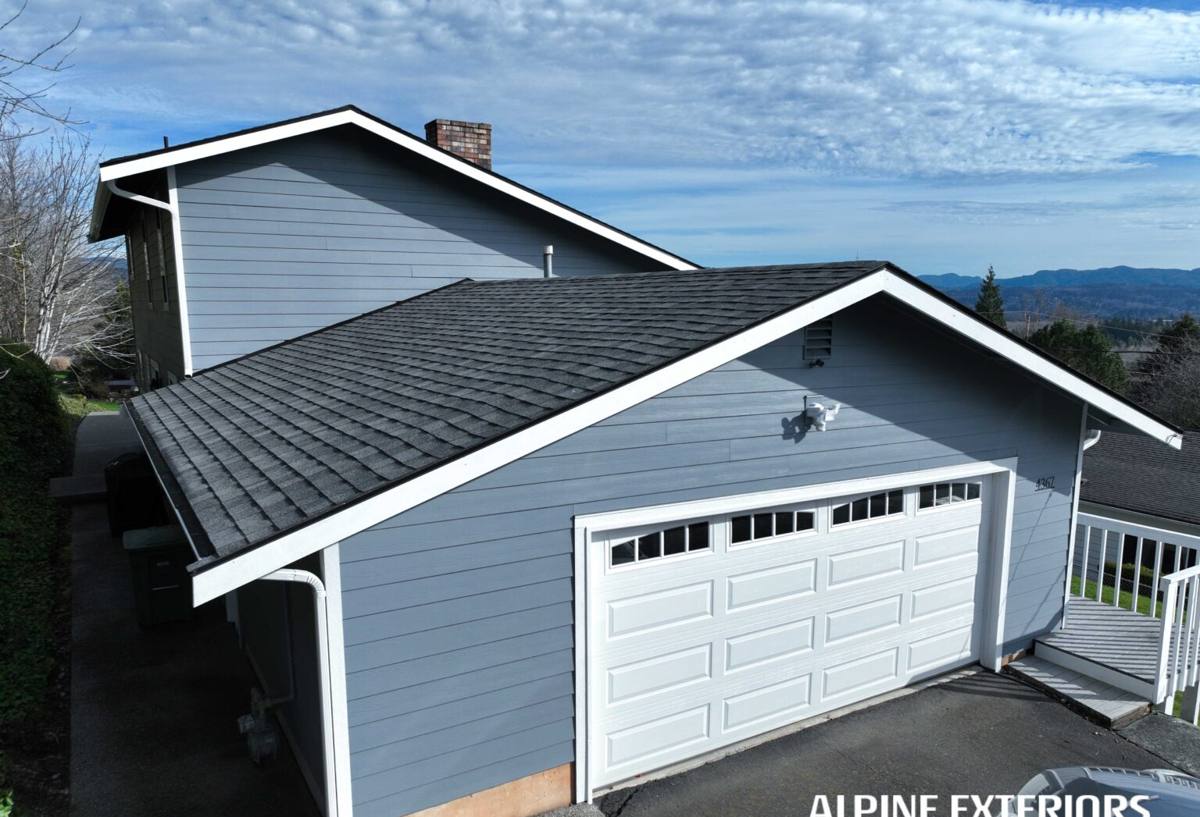
Common Roof Problems We See on Ellenton Homes
Wind-Lifted and Cracked Shingles
Sustained coastal winds and storm gusts work shingle edges loose over time, even when a roof was installed correctly. Once a shingle starts to lift, the seal strip beneath it is broken — and that shingle won't reseal itself. It becomes a permanent weak point until it's re-secured or replaced, and left alone, that one loose corner is what lets a bigger storm do real damage.
Flashing and Sealant Failures
Flashing around chimneys, skylights, vent pipes, and roof-to-wall transitions is where the vast majority of leaks actually start — not in the open field of the roof. UV exposure dries out sealants faster here than in most parts of the country, and once a bead of sealant cracks or a flashing piece works loose, wind-driven rain will find it during the next storm, sometimes traveling several feet before it ever shows up as a stain on a ceiling.
Sun-Damaged Underlayment and Decking
Even when the visible roofing material still looks fine, the underlayment and roof decking beneath it can be quietly failing from years of heat cycling and UV exposure at the edges and penetrations. This is one of the reasons a proper repair starts with more than a glance from the ground — what's underneath matters as much as what's on top.
Corrosion on Fasteners, Flashing, and Vents
Salt air is hard on anything metal. Nails, screws, drip edge, vent housings, and flashing can corrode and weaken well before the surrounding roofing material shows its age. A repair that reuses corroded fasteners or flashing is a repair that won't hold.
What a Correct Roof Repair Actually Involves
A lot of roof "repairs" are really just patches — sealant smeared over a symptom without addressing why it failed in the first place. That approach might buy a few months, but on a roof exposed to Ellenton's combination of wind, sun, and salt, it usually fails again, often in the same spot.
A repair done right involves:
- Identifying the actual source of the problem, not just the spot where water is showing up inside the home
- Checking the decking and underlayment around the damaged area for hidden moisture or rot, not just the surface material
- Removing and replacing damaged shingles, tiles, or flashing rather than covering them
- Using fasteners and flashing rated for coastal, high-wind exposure
- Matching the repair to the existing roofing material as closely as possible in type, profile, and color
- Resealing and re-securing all disturbed edges and penetrations to current wind-resistance standards
- Cleaning up debris and confirming there's no secondary damage to gutters, soffits, or fascia nearby
Our Repair Process
- Inspection and diagnosis. We look at the roof itself — not just the ceiling stain or the shingle someone noticed from the driveway. That often means checking the attic, decking, and surrounding flashing to find where water is actually getting in.
- Honest assessment. We tell you what we find in plain terms: what needs repair now, what's worth watching, and whether the roof's overall condition still makes repair the right call.
- Written estimate. You'll know the scope of work and the cost before anything starts — no surprises added on halfway through.
- The repair itself. We remove and replace only what's damaged, matching materials and following manufacturer installation specs so warranties stay intact wherever possible.
- Final check. We confirm the repair is watertight and that flashing, fasteners, and surrounding material are all properly secured before we consider the job done.
Repair or Replace? How to Tell the Difference
Not every roof problem calls for a full replacement, and not every leak can be solved with a patch. The table below covers the general factors we weigh when advising an Ellenton homeowner one way or the other.
| Factor | Leans Toward Repair | Leans Toward Replacement |
|---|---|---|
| Age of roof | Well under expected lifespan for its material | At or past the typical service life for its material |
| Extent of damage | Isolated to one section, vent, or flashing point | Spread across multiple areas or slopes |
| Decking condition | Solid, no rot or soft spots found | Soft, delaminated, or water-stained in multiple spots |
| Storm history | Minor, localized wind or debris damage | Repeated storm damage or granule loss across the field |
| Underlayment condition | Intact where checked | Brittle or failing from UV exposure over time |
If a roof is showing more than one or two of the "replacement" signs at once, we'll say so directly. Pouring repair money into a roof that's genuinely at the end of its life doesn't serve the homeowner, and we'd rather have that conversation honestly than string out repairs that won't hold.
Materials and Matching
Whatever material an Ellenton roof is built with — asphalt shingle, tile, or metal — the repair needs to match it in more than just appearance. Different materials expand, contract, and fasten differently, and mixing incompatible flashing or fastener types is a common cause of repairs that fail early. We match repair materials to the existing roof system and to Florida's high-wind installation standards, rather than defaulting to whatever's fastest to install. Where an exact material match isn't available — common on older roofs — we'll walk through the closest reasonable option and what tradeoffs, if any, come with it before any work begins.
Why Local Experience in This Climate Matters
A roofing crew that mostly works inland or in a milder climate can still do competent work, but they haven't necessarily built the instinct for what fails first out here. Working roofs throughout Sarasota County and the surrounding Gulf Coast day in and day out means we know which flashing details tend to give out first in wind-driven rain, which fastening patterns actually hold up through hurricane season, and how salt air changes the math on how long metal components will last. That familiarity also extends to local permitting and current Florida wind-resistance requirements for roof work, so repairs are done to code rather than to whatever standard happens to be easiest.
It also means we're not guessing at what "normal" storm wear looks like versus damage that needs attention now. That judgment call — repair this small section today, or flag that the whole slope is nearing the end of its life — comes from seeing a lot of roofs in this exact environment, not just roofs in general.
Simple Maintenance That Extends a Repair's Life
A good repair lasts longer when a few basic habits are kept up between service visits:
- Have the roof looked at after any major storm, even if nothing looks obviously wrong from the ground
- Keep gutters and downspouts clear so water isn't backing up under the roof edge
- Trim back tree limbs that overhang the roof to reduce debris and abrasion damage
- Watch for granules collecting in gutters, which can signal shingle wear
- Check attic spaces occasionally for signs of moisture, staining, or daylight where there shouldn't be any
- Don't ignore small stains or soft spots on ceilings — they rarely stay small
Getting a Straight Answer About Your Roof
Every roof and every leak is a little different, and the right fix depends on what's actually happening under the surface, not just what's visible from the yard. If you're dealing with a leak, storm damage, or just want an honest read on where your roof stands, we're glad to come take a look. Reach out using the form below for a free, no-pressure estimate.