 Sarasota Roofing
 Board & Batten Siding, Built for the Ellenton Climate
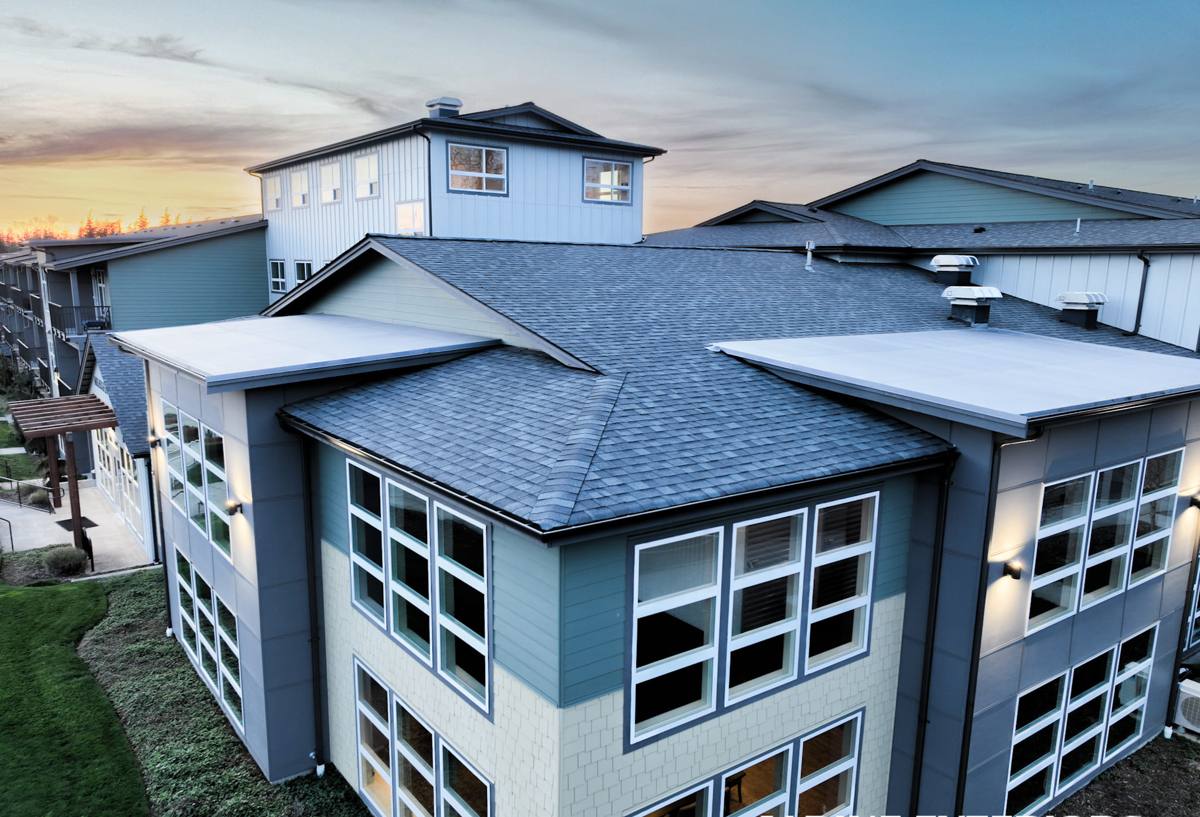
Board and batten is one of the most requested siding styles we see on homes in and around Ellenton, and for good reason. The bold vertical lines give a house real curb appeal, whether it's dressing up a farmhouse-style build, a modern coastal remodel, or an accent wall on an otherwise traditional home. But style is only half the story. On this stretch of the Gulf Coast, siding also has to survive hurricane-force wind gusts, months of intense UV exposure, wind-driven rain that finds every gap, and salt-laden air that eats through weaker materials over time. A board and batten installation that looks great in month one but fails in year three isn't worth the money it cost to hang.
This page is about doing board and batten siding correctly for an Ellenton-area home — the material choice, the install details that actually matter here, and what our process looks like from first visit to final walkthrough.
Why This Style Needs More Than "Good Enough" Material
Vertical Seams Mean More Exposed Joints
Board and batten siding is a vertical system — wide boards with narrower battens covering the seams between them. That vertical orientation means water runs down the face of the wall and along every batten joint, rather than shedding off overlapping horizontal boards the way lap siding does. Done right, this isn't a problem — the batten strips are there specifically to protect those seams. Done wrong, with the wrong fasteners, gaps, or a material that swells and shrinks unpredictably, those same joints become the exact spot where water gets behind the siding.
What Local Conditions Add to the Equation
Add in what Sarasota-area weather does to a house — sustained UV that bakes paint and breaks down weaker composites, humidity that never really lets a wall dry out, tropical storm and hurricane wind loads that test every fastener, and salt air drifting in off the Gulf that accelerates corrosion and rot — and it becomes clear why we're picky about what goes on the wall. A board and batten system has to hold its paint, hold its shape, and hold its fasteners for decades, not just look good at installation.
Why We Only Install James Hardie for Board & Batten
We install James Hardie fiber cement exclusively — we don't offer vinyl, LP SmartSide, cedar, or primed spruce board and batten, even though all of those are common in the marketplace. That's a deliberate standard, not a sales pitch.
- Vinyl board and batten looks the part from a distance, but it's a thin material that can warp in direct summer heat and crack in a hard wind event — and it can't hold true batten depth and shadow lines the way fiber cement can.
- Wood (cedar or primed spruce) board and batten has real charm, but it's organic material in a humid climate — it needs consistent repainting and sealing, and any gap in that maintenance invites rot, especially at the vertical seams this style depends on.
- James Hardie fiber cement is non-combustible, dimensionally stable in heat and humidity, and comes with a factory-applied ColorPlus finish engineered to hold color under UV exposure far longer than field-applied paint.
For a style that lives or dies by how well its seams are protected over time, we think fiber cement is the only material that consistently earns its keep here.
The Right Hardie Products for This Look
Board and batten can be achieved a couple of ways within the James Hardie lineup, and the right call depends on the home:
- HardiePanel vertical siding with HardieTrim battens — the classic approach, wide fiber cement panels with trim boards fastened over the seams.
- Hardie Artisan Collection — a premium option with a more refined, deeper-reveal look for homes where design detail matters most.
- HZ10 climate-engineered formulation — Hardie's product line built for hot, humid, moisture-heavy climates like ours, which is what we spec for Ellenton-area installs.
What a Correct Board & Batten Installation Actually Involves
The finished look is simple — vertical boards and battens. The correct installation behind that look is not. Most of the problems we get called out to fix on other contractors' board and batten jobs trace back to a handful of skipped steps.
Before the First Panel Goes Up
- Full inspection and, where needed, repair of the wall sheathing underneath — siding installed over damaged sheathing fails regardless of the material on top.
- A continuous weather-resistive barrier installed correctly, lapped shingle-style so water sheds outward, not inward.
- Proper flashing at every window, door, and penetration — the single most common gap we find in other installers' work.
During Installation
- Correct fastener type, length, and spacing for wind resistance — this matters more here than in most parts of the country given regional wind load requirements.
- Manufacturer-specified gaps at panel ends and joints to allow for expansion, sealed with the right sealant, not just caulked over.
- Battens set to consistent width and reveal, fastened into structural framing rather than just into the panel below.
- Factory-finished ColorPlus panels handled and cut with blades and methods that don't chip the factory finish and expose raw substrate.
Skip any one of these and the siding might look fine for a season or two — but the failures that show up later (water intrusion behind panels, fastener backout in high wind, sealant failure at joints) almost always trace back to one of these steps being rushed or skipped.
Our Process for an Ellenton Board & Batten Project
- On-site assessment — we look at your current siding or exterior condition, check for underlying moisture or sheathing issues, and talk through where board and batten makes sense on the home (full exterior, an accent gable, a porch feature).
- Product and design walkthrough — we go over panel width, batten spacing, and ColorPlus color options so you know exactly what's being installed before any work starts.
- Written estimate — scope, materials, and timeline in writing, no vague allowances.
- Tear-off and prep — removal of old siding, sheathing repair as needed, and correct installation of the weather barrier and flashing.
- Installation — panels and battens installed to manufacturer fastening and spacing specs, with attention to every seam and penetration.
- Final walkthrough — we go around the home with you before calling the job done.
Comparing Board & Batten Materials for This Climate
| Material | UV / Fade Resistance | Moisture Behavior | Wind Performance | Maintenance |
|---|---|---|---|---|
| James Hardie fiber cement (ColorPlus) | Strong, factory-baked finish | Dimensionally stable, non-combustible | Engineered HZ10 line for high-wind, humid regions | Low — no repainting cycle needed for color, occasional wash |
| Vinyl board and batten | Can fade and chalk over time | Doesn't rot, but can warp in heat | Can crack or blow off in severe gusts | Low, but limited repair options if damaged |
| Cedar / primed wood | Fades and grays without upkeep | Prone to rot and swelling if maintenance lapses | Fasteners can back out over time | High — repainting and sealing on a recurring schedule |
What Board & Batten Siding Typically Costs
Every home is different, but the main cost drivers on a board and batten project are consistent:
| Factor | Why It Matters |
|---|---|
| Square footage of wall area | Larger wall area means more material and labor hours |
| Full-house vs. accent application | An accent gable or porch feature costs far less than whole-home coverage |
| Condition of existing sheathing | Rot or water damage found during tear-off adds repair scope |
| Trim and batten detail level | Wider battens, tighter reveals, or custom corner details add labor time |
| Color and finish selection | Standard ColorPlus colors vs. premium finishes can shift material cost |
We don't publish blanket per-square-foot pricing because it misleads more than it helps — a number that ignores your home's actual condition isn't a real estimate. We'll give you a firm, written number after we've actually looked at the wall.
Maintenance: What Ownership Looks Like After Installation
One reason we like fiber cement for board and batten in particular is how little upkeep it asks for compared to wood. That said, "low maintenance" isn't "no maintenance":
- Rinse the exterior periodically to clear salt residue and airborne debris, especially on homes closer to the coast.
- Inspect caulking at joints and trim annually and have any cracked or missing sealant redone promptly.
- Watch for any signs of moisture staining at the base of walls or around windows after heavy storms, and have it checked early rather than waiting.
- Keep sprinklers and irrigation from constantly wetting the lower courses of siding, which shortens the life of any exterior material.
Why a Crew That Already Works the Ellenton Area Matters
Board and batten installation quality comes down to details — flashing, fastening, sealant, panel handling — and those details get executed more consistently by a crew that installs this exact system, in this exact climate, on a regular basis. A crew that already works homes in and around the Sarasota area knows what wind load and moisture exposure actually demand here, rather than treating every job like a generic install from a national manual. That familiarity shows up in fewer callbacks and fewer surprises during tear-off.
Questions Worth Asking Any Siding Contractor
- Do you install fiber cement to the manufacturer's published fastening and flashing specifications, and can you show me what that looks like?
- What weather-resistive barrier do you use, and how is it lapped at seams?
- How do you handle sheathing repair if it's found during tear-off — is that a change order or included?
- What warranty applies to the material versus the labor, and is either transferable if I sell the home?
- Can I see the written estimate broken down by scope before work starts?
If a contractor can't answer these clearly, that's worth noticing before any siding comes off your walls.
Ready for an Honest Look at Your Home
If you're weighing board and batten siding for a home in the Ellenton area, we're glad to come take a look, walk you through what your specific walls need, and give you a straight answer — even if that answer is "here's what to fix first." Use the form below to request a free, no-pressure estimate.