 Sarasota Roofing
 Why Ellenton Windows Take More Than a Standard Install
Ellenton sits in the Gulf Coast corridor between Sarasota and Bradenton, which means the same weather that batters the rest of the region hits homes here too: hurricane-force winds during storm season, intense UV exposure nearly every day of the year, wind-driven rain that finds every gap in a window's seal, and salt-laden air drifting in off the coast. None of that is exotic to us. It's the baseline every window job in this area has to survive, and it's why "custom" isn't a marketing word for us — it's a description of the process. A window that was engineered for a mild inland climate and simply dropped into an Ellenton opening is a window that's going to underperform, sometimes within the first year.
The most common failure we see isn't a bad window unit itself. It's a correct window installed incorrectly — wrong flashing sequence, gaps in the sealant, fasteners that don't account for the wall assembly behind the stucco or siding. Custom work means we measure the actual opening, account for the actual wall construction, and select glass and frame specs that match what this specific home needs to hold up against.
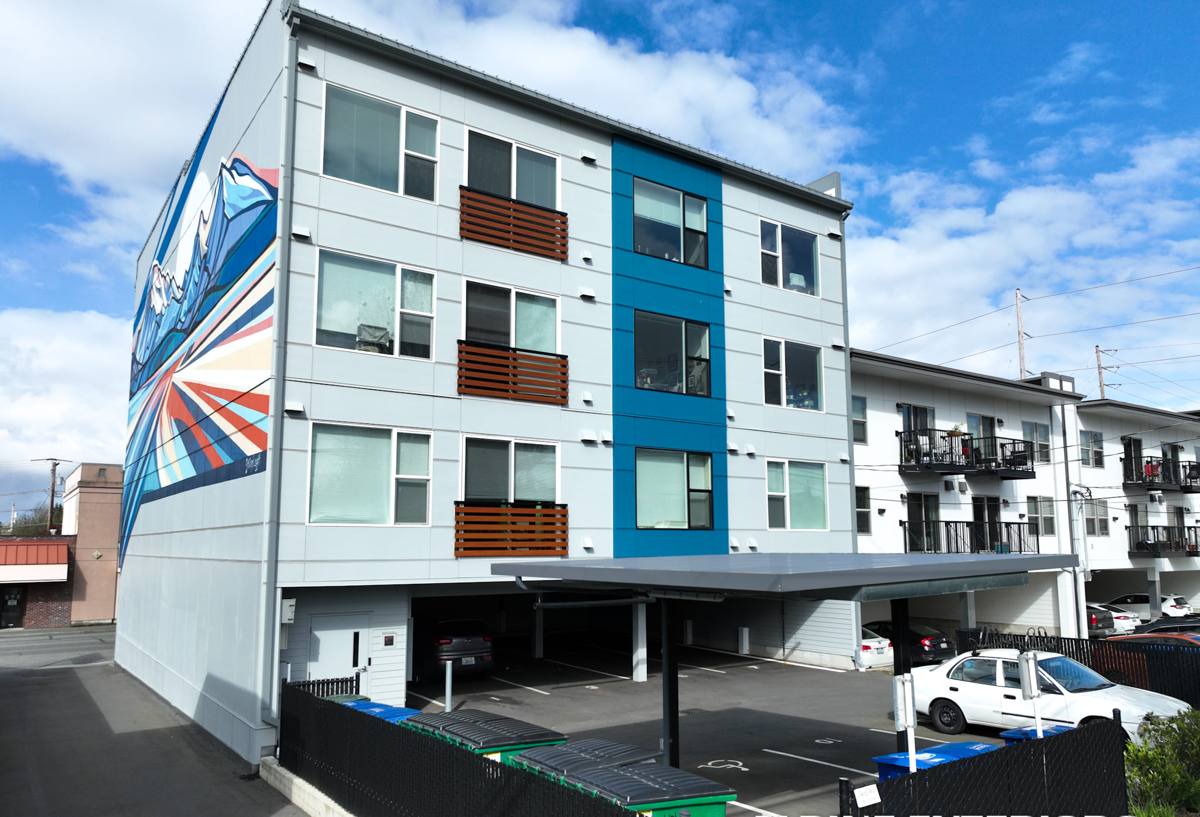
What "Custom" Actually Means Here
When we say custom windows, we mean three things working together: the opening is measured and built to fit precisely (not resized to fit a stock unit), the glass package is chosen for wind load and solar exposure rather than picked off a generic price list, and the installation detailing — flashing, sealant, fastening — is done to match Florida Building Code requirements for this wind zone. Skipping any one of those turns a "custom" job into an expensive standard one.
Where Older Homes in the Area Run Into Trouble
Homes with original 1980s and 90s aluminum-frame windows are the ones we get called out to most often. The frames have usually pitted or corroded from years of salt air, the glazing has yellowed or fogged between panes, and the seals have hardened and cracked from UV exposure. None of that is a defect in the original product — it's just what happens to a window system after decades on the Gulf Coast without an upgrade. Replacing those units with modern impact-rated windows, correctly installed, addresses the wind and water problem at the same time it solves the fogging and drafts.
Frame Material: What Actually Holds Up
Frame choice matters more here than in most parts of the country because the frame is what takes the direct hit from salt air and UV every single day. We steer homeowners away from bare aluminum frames without a protective finish — they corrode faster near the coast and that corrosion eventually compromises the seal around the glass. Our standard recommendation is vinyl or fiberglass-reinforced frames, or properly coated aluminum, depending on the home's architecture and the homeowner's budget.
| Frame Type | Salt Air / UV Resistance | Maintenance | Typical Use Case |
|---|---|---|---|
| Vinyl | Good — won't corrode, UV-stable formulations resist yellowing | Low — occasional cleaning | Most residential replacements |
| Fiberglass | Very good — dimensionally stable, resists both salt and heat expansion | Low | Larger openings, higher-wind zones |
| Coated aluminum | Good if properly finished; poor if bare or scratched | Moderate — finish needs to stay intact | Homes matching existing aluminum sightlines |
| Wood / wood-clad | Poor without diligent upkeep near salt air | High | Rarely recommended this close to the coast |
We're upfront when a homeowner asks about wood-frame windows this close to the coast: they can look great, but the maintenance burden to keep them from swelling, rotting, or losing their finish in salt air is significant. That's a trade-off we'll explain honestly rather than talk anyone out of what they want — it's their call, but they should make it with the full picture.
Glass: Impact Rating, Low-E, and What Each One Actually Does
Two separate decisions get bundled together here, and it's worth keeping them straight. Impact-rated glass (laminated glass bonded to resist penetration) is about wind-borne debris and storm pressure. Low-E coating is about heat and UV — it reflects solar radiation before it turns your living room into a greenhouse and before it bakes your furniture and flooring. A window can have one, both, or neither.
- Impact-rated laminated glass: resists penetration from wind-borne debris during storm-force winds and eliminates the need for separate shutters on that opening
- Low-E coatings: cut down on solar heat gain and UV transmission, which matters for both comfort and cooling costs given how much direct sun this area gets year-round
- Insulated (dual-pane) glass: reduces heat transfer and outside noise compared to single-pane units
- Tempered glass: required in certain locations by code (near doors, low sills, wet areas) regardless of impact rating
For most Ellenton-area homes we recommend impact-rated glass with a Low-E coating as the baseline, then adjust up or down based on the home's sun exposure and whether the homeowner currently uses shutters or panels they'd like to retire.
How We Approach Every Install
The process is the same whether it's one window or a whole-house replacement, because skipping a step is how leaks start.
- On-site assessment: we check each opening's actual dimensions, the condition of the surrounding wall assembly, and any existing water damage or rot before quoting anything.
- Product selection: frame material, glass package, and wind rating chosen to match the wall's exposure and the home's structure — not a one-size answer applied to every opening.
- Removal: old units come out carefully, and we check the framing underneath for hidden moisture damage before anything new goes in.
- Flashing and weatherproofing: proper flashing tape and sealant sequencing so water is directed out and down, never trapped behind the new unit.
- Installation and fastening: anchored and shimmed to spec so the frame stays square and the seal stays intact under wind load.
- Final seal and inspection: interior and exterior sealant, hardware check, and a walkthrough with the homeowner.
Cost Factors Worth Understanding
We don't publish flat per-window pricing because the honest answer is "it depends," but here's what actually moves the number.
| Factor | Why It Affects Cost |
|---|---|
| Impact rating | Laminated impact glass costs more than standard glass but can replace the need for shutters or panels |
| Frame material | Fiberglass and higher-end vinyl typically run higher than basic aluminum |
| Window size and configuration | Large openings, bay windows, and custom shapes require more engineering and labor |
| Wall condition | Hidden rot or moisture damage found during removal adds repair work before installation can proceed |
| Number of openings | Whole-house jobs generally bring a better per-unit cost than one-off replacements |
We'll walk through these factors specific to your home during the estimate rather than quoting a number sight unseen.
Keeping Custom Windows Performing After Install
A correctly installed window in this climate still needs basic upkeep to get its full lifespan out of it.
- Rinse frames and tracks periodically to clear salt residue before it accelerates corrosion or wear
- Inspect exterior sealant and caulking once a year, especially after storm season, and address any cracking before it lets water in
- Keep weep holes on operable windows clear of debris so water can drain as designed
- Lubricate hardware on operable units so locks and mechanisms don't seize from salt exposure
- Have shutters, panels, or storm protection checked alongside your windows if you're using them together with impact glass
Why It Matters to Hire a Crew That Already Works This Area
Window installation isn't unique to Sarasota — the products and the code requirements exist everywhere. What's different is what happens when the details are wrong. A crew that regularly installs in this region already knows the local wind load requirements, has seen how salt air treats different frame finishes over time, and understands the flashing and sealing detail that keeps wind-driven rain out during the next storm. That's not something you can fully substitute with a generic install crew working from a national playbook, no matter how experienced they are elsewhere. Local experience shows up in the small decisions — which sealant holds up here, how much clearance to leave for thermal movement, which fastening pattern actually meets this wind zone's requirements — and those small decisions are what separate a window that performs for twenty years from one that needs attention again in five.
If you're weighing a window replacement in Ellenton or anywhere else in the greater Sarasota area, we're happy to take a look and give you an honest, no-pressure estimate — what your home actually needs, what it would cost, and why. Fill out the form below to get started.