 Sarasota Roofing
 Why Ellenton Windows Wear Out Faster Than You'd Expect
Ellenton sits close enough to the Manatee River and the Gulf that homes here deal with a specific combination of stresses: salt-laden air, near-constant UV exposure, wind-driven rain during summer storms, and the occasional direct hit from a tropical system or hurricane. None of these alone would be unusual. Together, over years, they age windows faster than in most parts of the country — glass seals fail early, aluminum frames pit and corrode, vinyl frames chalk and go brittle, and wood trim around openings starts to soften from repeated wetting.
A window that was installed correctly and matched to this climate can handle it for decades. A window that was installed cheaply, or that was never right for coastal exposure to begin with, will show problems in five to ten years — fogged glass, sticking sashes, water staining below the sill, or a frame that flexes when the wind picks up. If your home is showing any of that, it's worth having someone look at the whole opening, not just the glass.
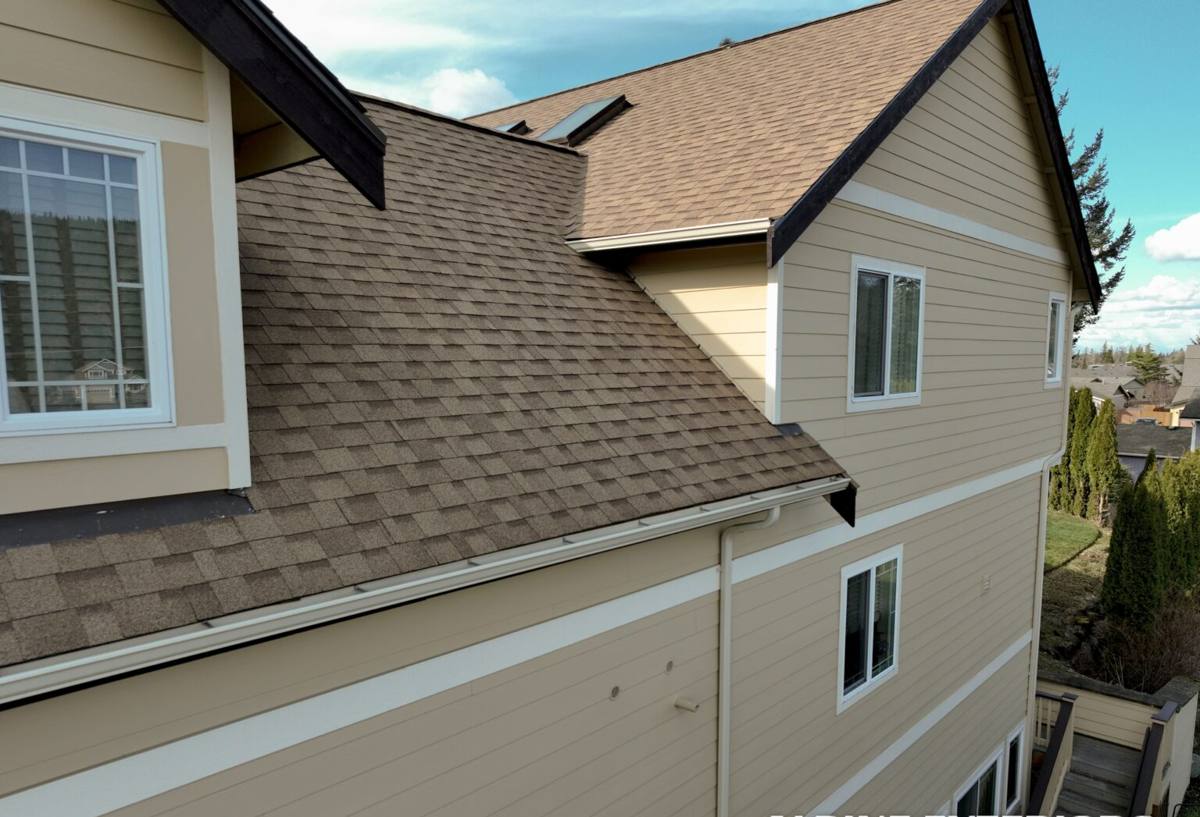
Signs an Ellenton Home Needs Window Replacement, Not Just Repair
Not every window problem means a full replacement. But there's a point where repair stops being the honest recommendation. Here's how we sort it out:
- Fogging or a visible haze between panes — the seal has failed and the insulating gas is gone; this can't be repaired, only replaced.
- Soft or discolored drywall, trim, or framing around the window — usually means water has been getting past the flashing for a while.
- Windows that are painted shut, won't latch, or require force to open — often frame distortion from moisture or age, not just hardware wear.
- Visible daylight or a draft you can feel with your hand along the frame edge — the seal or the fit itself has failed.
- Frames that are chalky, pitted, or corroded, especially on the sides facing prevailing weather.
- Noticeably higher cooling bills without another obvious cause — old single-pane or poorly sealed windows are a common contributor in this climate.
If you're only seeing one of these and the window is otherwise sound, a repair or re-seal might be the right call. We'll tell you that if it's true — replacing a window that doesn't need it isn't a service we're interested in selling.
What a Correct Window Replacement Job Actually Involves
The window itself matters, but most window failures we see in this area trace back to installation, not the product. Here's what has to happen for the job to hold up.
Removal and Opening Prep
The old window comes out along with any damaged framing material around it. This is the point where hidden water damage gets found — soft wood, rusted fasteners, or a sill that's been absorbing moisture for years. Skipping a real inspection of the opening and just dropping a new window into a bad frame is one of the most common shortcuts in this trade, and it's the reason "new" windows sometimes leak within a year or two.
Flashing and Water Management
Flashing is what actually keeps water out of your wall cavity — the window itself is secondary. Correct flashing means overlapping layers set in the right order (sill pan, side flashing, head flashing) so that any water that does get past the window sheds outward instead of pooling or running down into the wall. In a market with as much wind-driven rain as Sarasota County gets, this step is not optional, and it can't be seen once the trim goes back on — which is exactly why it matters who's doing it.
Fastening and Structural Attachment
Windows in this region need to be fastened to resist real wind pressure, not just hold themselves in place. That means the right fastener type, spacing, and embedment into structural framing — not just into stucco or sheathing. For impact-rated windows, the attachment method is part of what makes the product rating valid in the first place; an impact window installed with inadequate fasteners doesn't perform like an impact window.
Sealing and Finish
The final sealant bead, backer rod placement, and trim work are what you actually see — but they're the last line of defense, not the main one. Good sealant work still matters: it should be continuous, properly tooled, and done with a sealant rated for exterior UV exposure, since Florida sun breaks down cheap caulk within a couple of years.
Choosing the Right Window for Ellenton's Exposure
There's no single "best" window — the right choice depends on your home's exposure, your budget, and how the home is built. A few factors we walk through with homeowners:
| Factor | What to Consider |
|---|---|
| Impact rating | Impact-rated glass resists wind-borne debris and, in most cases, lets you skip separate shutters. Costs more upfront but reduces storm prep and can support insurance discounts. |
| Frame material | Vinyl resists corrosion well and costs less; aluminum is strong and slim-profile but can corrode in salt air over time without a quality finish; wood needs the most upkeep near the coast. |
| Glass coating | Low-E coatings reduce heat gain, which matters for cooling costs given how much direct sun Sarasota County gets most of the year. |
| Frame color/finish | Darker finishes absorb more heat and can show UV fading faster; lighter finishes tend to hold up longer under constant sun exposure. |
| Sill height and drainage design | Matters more on homes with heavier wind-driven rain exposure — a well-designed sill sheds water instead of letting it sit against the frame. |
Impact-Rated vs. Non-Impact with Shutters
Both approaches can meet code. Impact glass means one less thing to do before a storm — you're not hauling out or installing shutters under time pressure. Non-impact windows paired with proper shutters cost less upfront but require that you actually deploy the shutters every time, and the window glass itself remains vulnerable in between. We'll walk you through the real tradeoff for your specific home rather than pushing one option by default.
Our Process, Start to Finish
We keep this straightforward because window replacement shouldn't feel like a mystery:
- On-site assessment of each opening — not just a glance, an actual check of framing condition, current flashing, and how the window is performing now.
- Honest recommendation on repair vs. replacement, and which window specs actually fit your home and exposure.
- Written estimate with the product, install method, and timeline spelled out — no vague line items.
- Permit pulled where required (see below) before any work starts.
- Removal, opening prep, flashing, and installation done to manufacturer and code specification.
- Final inspection and walkthrough with you before we consider the job done.
Permits and Wind Requirements in Sarasota County
Window replacement in Sarasota County generally requires a permit, and the products used need to meet local wind load requirements tied to the county's design wind speed and your home's specific exposure category. This isn't paperwork for its own sake — it's what confirms the window and its installation can actually handle the wind pressures this area sees. A contractor who treats the permit as optional or "not really needed for this" is telling you they're comfortable cutting a corner that directly affects whether your windows hold up in a storm. We pull permits as a standard part of the job, not an upsell.
Why Hiring a Crew That Already Works in Ellenton Matters
Ellenton isn't a huge market, but the homes here have real variety — different ages, different construction styles, different exposure depending on how close a property sits to open water or a treeline. A crew that's already worked in this specific area has a feel for which openings tend to have hidden water damage, which older stucco types are more finicky around window flashing, and what wind exposure actually looks like on the ground here versus what a spec sheet says. That's not something you get from a crew that only occasionally works this far south, or one that's used to a different climate entirely. It shows up in fewer surprises during the job and fewer callbacks after.
Maintaining New Windows in Salt Air and Florida Sun
A correctly installed window still needs basic upkeep to get its full lifespan in this environment:
- Rinse frames and tracks periodically, especially if you're within a few miles of open water — salt residue accelerates corrosion and pitting.
- Check and clean weep holes so water can actually drain out of the frame instead of sitting in it.
- Inspect exterior sealant yearly for cracking or separation — UV exposure breaks caulk down faster here than in milder climates.
- Operate hardware regularly even on windows you rarely open, so mechanisms don't seize up.
- Have any water staining, soft trim, or new drafts checked promptly rather than waiting — small flashing issues are cheap to fix early and expensive once they've spread into the wall.
If you're seeing signs of aging windows, planning ahead of hurricane season, or just want an honest read on what your home actually needs, we're glad to come take a look. The estimate is free, there's no pressure attached to it, and you'll get a straight answer about whether replacement is the right call — use the form below to get started.