 Sarasota Roofing
 Ellenton's Climate Puts Real Demands on Siding
Homes in the Ellenton area sit in one of the more punishing exterior environments in the country. Between hurricane-force wind events, wind-driven rain that gets pushed sideways into wall assemblies, intense year-round UV exposure, and the slow corrosive effect of salt-laden air moving in off the Gulf, exterior cladding here works harder than it does almost anywhere else in the state. Siding that's rated for a mild climate, or installed with shortcuts that would pass fine in a drier region, tends to show its weaknesses fast in this part of Florida.
Wind and Wind-Driven Rain
Tropical systems don't just bring high wind speeds — they drive rain horizontally under laps, around trim, and into any gap that wasn't sealed or flashed correctly. Siding that looks fine from the curb can still be letting moisture into the wall cavity if the water-resistive barrier, flashing, and fastening weren't done to spec. Over repeated storm seasons, that hidden moisture is what causes real damage, not the wind itself.
Sun, Salt, and Humidity
Florida's UV load fades and chalks paint faster than in northern climates, and constant humidity keeps wall assemblies from drying out between rain events. Add in salt air, which accelerates corrosion of fasteners and metal flashing, and you have a combination that punishes lower-grade materials and cut-corner installations within a few years instead of a few decades.
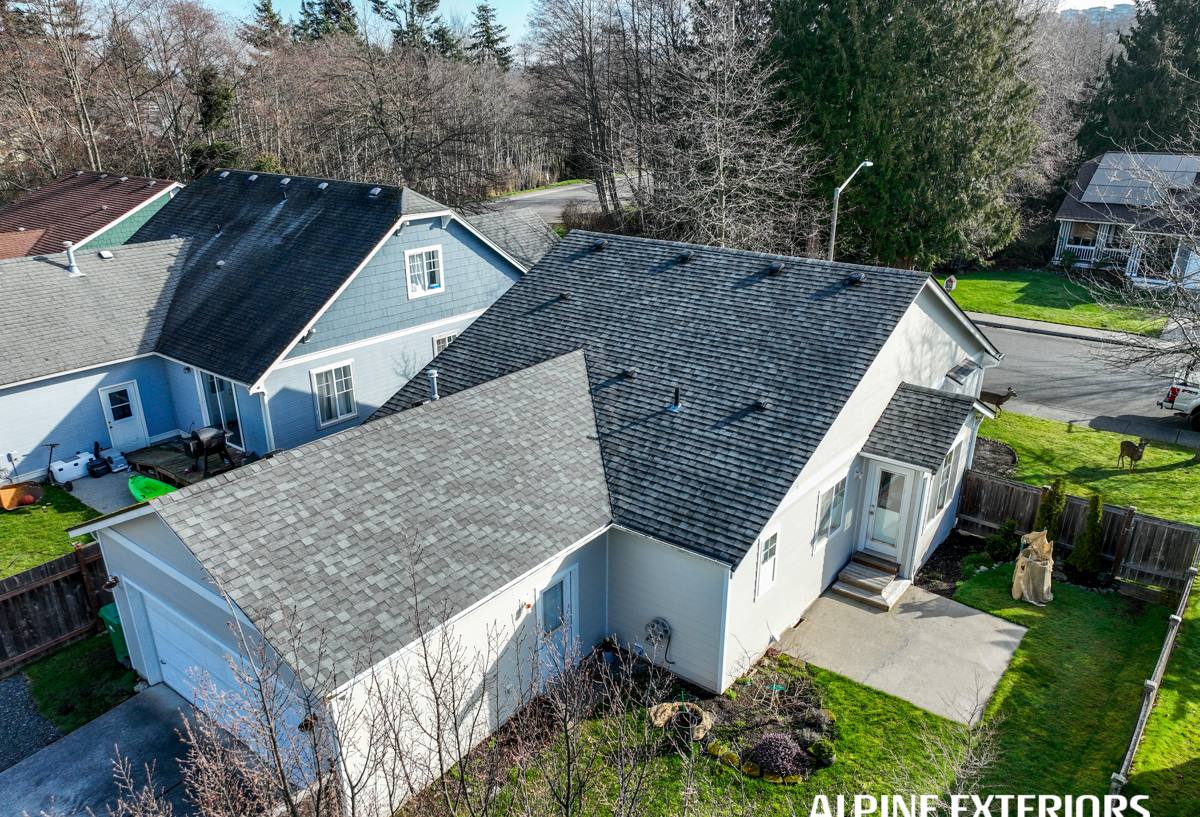
What a Correct Fiber Cement Siding Installation Actually Involves
Fiber cement siding is only as good as the assembly behind it. The board itself is durable, but the water-resistive barrier, flashing details, fastener choice, and gap spacing are what actually determine whether a home stays dry and the siding lasts. This is where most installation problems start — not with the product, but with corners cut during the parts nobody sees after the job is done.
Moisture Management Behind the Boards
Every correct installation starts with a continuous water-resistive barrier, properly lapped and taped, with flashing integrated at every window, door, and penetration so water is directed out and down instead of trapped behind the cladding. Kick-out flashing where a roofline meets a wall is a detail that gets missed constantly and is one of the leading causes of hidden rot in coastal homes.
Fastening for High-Wind Exposure
Fastener type, spacing, and embedment depth all matter more in a wind-driven-rain climate than in a calmer one. Manufacturer-specified nailing patterns exist for a reason — they're engineered around wind load testing, and skipping them to save time is one of the most common ways siding fails prematurely in storm-prone areas like this one.
Why We Only Install James Hardie Fiber Cement
There are several fiber cement and engineered wood products on the market, and some of them are reasonable products in the right application. We made the decision years ago to install only James Hardie siding, and we stand behind that choice for a straightforward reason: in a climate this demanding, we want a product with a long, proven track record, climate-specific engineering, and a manufacturer warranty structure we trust to actually back the homeowner up if something goes wrong. That standard means we turn away some jobs where a homeowner wants a different product installed — but it also means every home we do side gets the same consistent, climate-appropriate system.
James Hardie Products Suited to This Climate
James Hardie engineers its siding in different formulations for different climate zones, and homes in this part of Florida fall into the HZ5 zone — built specifically to handle high humidity, heavy rainfall, and moisture exposure. That's a meaningful distinction from a generic, one-size-fits-all siding product.
- HardiePlank lap siding — the most common choice for Florida homes, available in several width and texture options to match traditional or contemporary styles.
- HardieShingle siding — for homes wanting a shingle or shake look with the durability of fiber cement instead of wood.
- HardieTrim — matching trim boards so fascia, corners, and window surrounds hold up at the same rate as the field siding.
- ColorPlus Technology finish — a factory-applied, baked-on finish that resists fading and chipping far better than field-applied paint, and is backed by its own finish warranty.
Our Installation Process, Start to Finish
A siding job is only as reliable as the sequence it follows. We don't skip steps to move faster, especially on homes exposed to the wind and moisture conditions common around Ellenton.
Assessment and Prep
We start with an on-site inspection of the existing siding, sheathing, and trim to identify any hidden moisture damage or rot that needs to be addressed before new siding goes on. Covering up a compromised substrate is one of the worst mistakes in this trade, and we won't do it.
Removal and Substrate Repair
Old siding comes off, damaged sheathing or framing gets repaired or replaced, and the wall is brought back to a sound, flat surface before anything new goes up.
Water Barrier and Flashing
A continuous water-resistive barrier goes on with correctly lapped seams, followed by flashing at every window, door, and roof intersection — the details that determine how the wall performs during the next tropical storm, not just how it looks on day one.
Siding Installation
Hardie boards go up following manufacturer-specified fastening, gapping, and clearance guidelines, with attention paid to keeping siding off the ground and roof surfaces at the clearances Hardie requires to prevent wicking moisture.
Trim, Caulking, and Final Inspection
Trim is installed, joints are caulked with a product compatible with the ColorPlus finish, and we do a final walk-through before considering the job complete.
Signs Your Current Siding Is Already Failing
Many homeowners don't realize their siding has a problem until it's advanced. A few warning signs are worth checking for before they turn into interior damage:
- Soft or spongy spots when you press on siding, especially near the bottom courses or around windows
- Visible bubbling, peeling, or chalking paint that keeps returning shortly after repainting
- Warping, buckling, or boards that no longer sit flat against the wall
- Staining or discoloration that tracks with window and door trim lines, suggesting water intrusion
- Increased pest activity, particularly around older wood-based siding
- A musty smell or visible mold on interior walls that back up to exterior siding
What Affects the Cost of a Fiber Cement Siding Job
Every home is different, and we won't quote a number without seeing the property, but these are the main factors that move a fiber cement siding project up or down in cost.
| Factor | Why It Matters |
|---|---|
| Home size and number of stories | More square footage and taller walls mean more material and labor, plus added equipment for upper stories |
| Siding profile and texture | Wider planks, shingle profiles, and specialty textures typically cost more than standard smooth lap siding |
| Condition of existing sheathing | Hidden rot or moisture damage discovered during tear-off adds repair work before new siding can go on |
| Trim and accessory work | Corner boards, window trim, fascia, and soffit work add labor and material beyond the flat wall area |
| ColorPlus finish vs. field paint | Factory-finished ColorPlus siding costs more up front but eliminates a repaint cycle for years |
| Access and site conditions | Landscaping, fencing, or tight lot lines can add time for staging and protecting the property |
Why Local Experience in This Area Matters
Siding installed in a climate like this one has to account for wind load requirements, moisture behavior, and building code details that don't come up the same way in drier, calmer parts of the country. A crew that regularly works homes in and around the Ellenton area already knows how local wind exposure, humidity, and storm patterns affect the way a wall assembly needs to be built — and has already worked through the permitting and inspection expectations that apply here. That familiarity shows up in fewer surprises, fewer callbacks, and a job built to actually hold up through the next storm season rather than just look good when it's finished.
Caring for Your New Siding
Fiber cement siding is low-maintenance compared to wood or vinyl, but "low-maintenance" isn't "no-maintenance." A little attention keeps it performing the way it's designed to for the long haul.
- Rinse siding periodically to remove salt residue, dust, and pollen buildup
- Inspect caulking at trim joints and around penetrations annually, and re-caulk if it's cracked or pulling away
- Keep sprinklers and irrigation heads from spraying directly on siding long-term
- Trim back landscaping so it isn't holding moisture against the wall
- Have flashing and roof-to-wall intersections checked after major storms
If your Ellenton-area home is due for new siding, or you want a second opinion on whether your current siding is holding up the way it should, we're happy to take a look and walk you through what we find. The estimate is free, there's no pressure, and you'll get a straight answer about what your home actually needs.