 Sarasota Roofing
 Asphalt Shingle Roofing for Ellenton Homes
Ellenton sits in the thick of everything a Gulf Coast roof has to survive — long stretches of intense UV, sudden wind-driven downpours in summer, salt-laden air rolling in off the water, and the occasional hurricane-force gust that tests every nail and seal on the roof deck. Asphalt shingles remain one of the most practical, cost-effective roofing choices for this climate when they're specified and installed correctly. The keyword there is "correctly" — a shingle roof that looks fine from the driveway can still be failing underneath if the underlayment, flashing, ventilation, and fastening weren't done to match local conditions.
This page is about that one job, done right, for homes in and around Ellenton. Not a generic overview of asphalt shingles everywhere — the specifics of what this climate does to a roof, what a proper installation looks like here, and what our crew actually does on your property from the first estimate to the final cleanup.
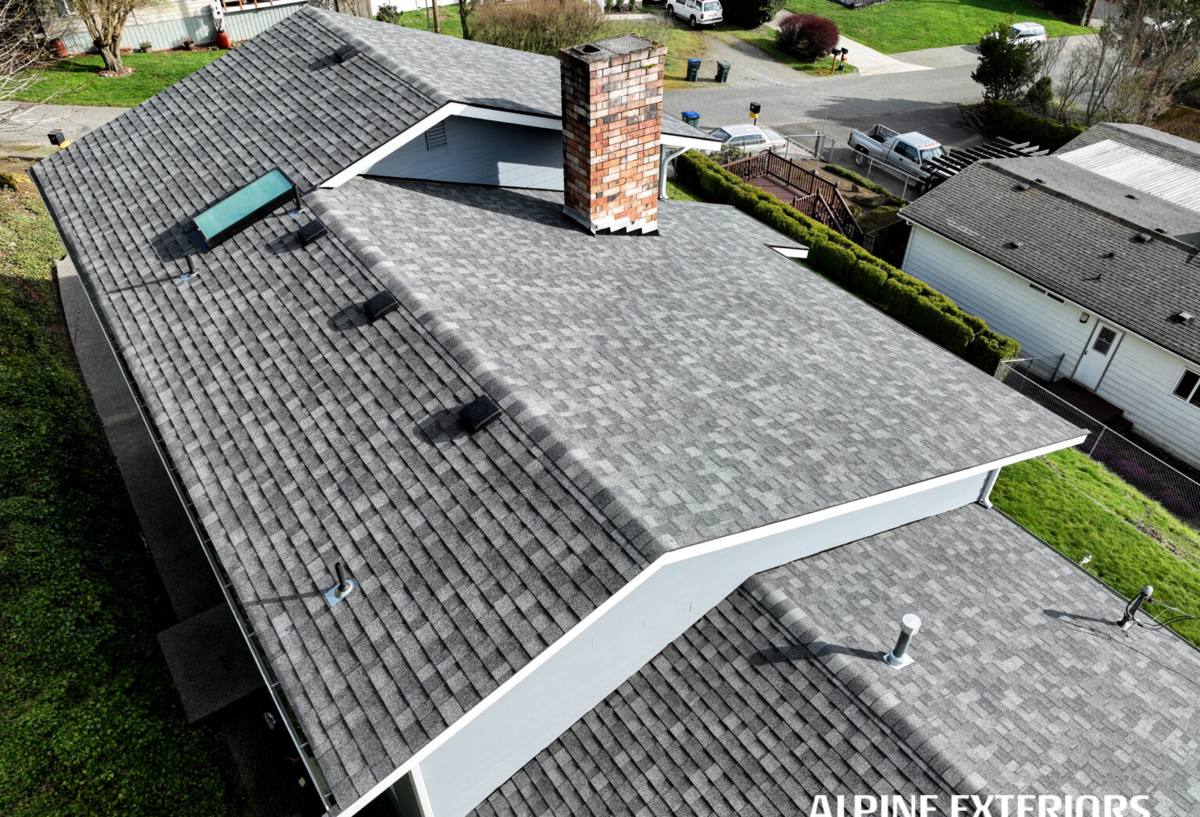
What Sarasota-Area Weather Does to a Shingle Roof
Every roofing material has a weak point, and for asphalt shingles in this part of Florida, it's usually one of three things: wind uplift at the edges, granule loss from UV exposure, or slow water intrusion at flashing points that were never sealed properly to begin with.
Wind and Storm Exposure
Hurricane-force wind events don't need to make direct landfall nearby to stress a roof — sustained gusts and wind-driven rain during a passing system can lift poorly fastened shingles at the ridge, hips, and rake edges long before a full storm arrives. The first shingles to go are almost always the ones installed with too few nails, nails placed too high in the shingle, or starter strips that were skipped or improperized.
UV and Heat
Year-round sun bakes the asphalt in shingles, driving off the oils that keep them flexible and accelerating granule loss. Once granules wear thin, the asphalt mat underneath is exposed directly to UV and heat cycling, which is when shingles start to curl, crack, and lose their ability to shed water properly.
Salt Air and Moisture
Proximity to the Gulf means airborne salt settles on roofing materials and accelerates corrosion of exposed metal — nail heads, flashing, and vent stacks in particular. Combined with humid, wind-driven rain, this is why flashing detail and fastener quality matter more here than they would on a roof further inland.
Getting the Installation Right, Not Just Fast
A correct asphalt shingle installation for an Ellenton home involves more steps than most homeowners realize, and skipping any one of them is usually invisible until a storm finds it.
Deck Inspection First
Before a single shingle goes down, the roof deck itself needs to be sound — no soft spots, no delaminated plywood, no rot around penetrations. Installing new shingles over a compromised deck just hides the problem and shortens the life of the new roof.
Underlayment and Water Barrier
Synthetic or self-adhering underlayment goes down as the roof's real waterproofing layer — shingles shed the bulk of the water, but the underlayment is what protects the deck if wind ever drives rain up underneath a shingle edge. In wind-prone areas, a properly lapped and fastened underlayment is not optional.
Flashing at Every Transition
Chimneys, skylights, sidewalls, and roof valleys are where the majority of leaks actually start — not in the open field of shingles. Correct step flashing, counter-flashing, and valley metal, sealed and integrated with the underlayment rather than just caulked over the top, is what keeps water out at these transitions for the long run.
Nailing Pattern and Fastener Choice
Manufacturer nailing patterns exist for a reason, and in high-wind zones we follow the enhanced pattern rather than the minimum — more fasteners, placed correctly in the nailing strip, not high or low. We use corrosion-resistant fasteners given the salt air exposure common to this area.
Comparing Shingle Options
Not every asphalt shingle is built the same, and the right choice for an Ellenton roof depends on budget, how long you plan to stay in the home, and how much wind and impact resistance you want built in.
| Shingle Type | Wind Rating (typical) | Expected Lifespan | Best For |
|---|---|---|---|
| 3-Tab Asphalt | Lower | 15-20 years | Budget-conscious re-roofs, rental properties |
| Architectural / Dimensional | Moderate to high | 25-30 years | Most owner-occupied homes; better wind performance and appearance |
| Impact-Resistant (Class 4) | High | 30+ years | Storm-prone properties; may qualify for insurance premium discounts |
We'll walk you through which tier makes sense for your specific roof pitch, exposure, and budget rather than defaulting to the most expensive option — a well-installed architectural shingle often gives Ellenton homeowners the best balance of durability and cost.
Ventilation: The Part You Don't See
Attic ventilation doesn't get much attention from homeowners, but it directly affects how long a shingle roof lasts in this climate. A poorly ventilated attic traps heat, which bakes shingles from underneath as well as from the sun above, and traps moisture, which can rot decking and void manufacturer warranties. Balanced intake at the eaves and exhaust at the ridge keeps attic temperatures closer to outdoor levels and lets any moisture that does get in dry out instead of sitting. When we re-roof a home, we check existing ventilation and flag any imbalance before closing the job up — it's far cheaper to correct at install than to discover it later as premature shingle failure.
How Our Process Works
- Roof inspection and honest assessment — we look at the deck, existing flashing, ventilation, and overall condition, not just the shingles on top.
- Written estimate — clear scope, materials, and pricing before any work starts, no surprise add-ons sprung on you mid-job.
- Material selection — we help you weigh shingle tier, color, and wind rating against your budget and how long you plan to own the home.
- Tear-off and deck check — old roofing removed, deck inspected and repaired as needed before anything new goes down.
- Underlayment, flashing, and shingle installation — done to manufacturer spec and enhanced nailing patterns for wind exposure.
- Final walkthrough and cleanup — site cleared of debris and nails, and we review the finished roof with you before calling the job done.
Signs Your Ellenton Roof Needs Attention
Most shingle roofs give warning signs well before a leak shows up inside the house. Worth checking for, especially after a windy or stormy stretch:
- Shingles that look curled, cupped, or cracked, especially on south- and west-facing slopes
- Bald spots where granules have worn away, exposing the darker asphalt mat underneath
- Shingles missing entirely, or lifted at the edges after a wind event
- Granules collecting in gutters or at downspout outlets
- Soft or spongy spots when walking the roof, which can indicate deck damage underneath
- Rust streaks or gaps around flashing at chimneys, vents, or sidewalls
- Daylight visible through the roof deck from inside the attic
- Water stains on interior ceilings, even faint ones
Catching these early is usually the difference between a targeted repair and a full replacement.
Why a Local Ellenton Crew Matters
Roofing crews that already work in and around Ellenton know how this specific stretch of coastline behaves — which slopes take the worst sun exposure, how quickly salt air corrodes exposed metal, and what wind loading actually looks like during a real storm season rather than on a spec sheet. That familiarity shows up in small decisions: which fastener grade to use, how tight to run flashing seams, where ventilation tends to fall short on homes built in a particular era. It also means we're not disappearing after the invoice clears — if a warranty question or storm-related concern comes up down the road, we're still local and reachable, not a crew that rolled through once from out of the area.
After the Roof Is On
An asphalt shingle roof installed correctly still benefits from occasional attention. A visual check after major storms, keeping gutters clear so water doesn't back up under the shingle edge, and trimming back overhanging branches that drop debris or hold moisture against the roof all extend the life of the investment. None of this needs to be complicated, but a five-minute look after a bad storm season can catch a lifted shingle before it becomes a leak.
If you're weighing a repair versus a full replacement, or just want an honest read on how much life is left in your current roof, we're happy to take a look. Reach out for a free, no-pressure estimate using the form below.