 Sarasota Roofing
 Roofing Built for Nokomis, Not Just Sarasota County in General
Nokomis sits close to the Gulf, tucked between Sarasota and Venice, and that location shapes what a roof has to survive here. Homes just a few miles inland deal with heat and summer storms. Homes near Nokomis Beach, the Intracoastal Waterway, and Casey Key deal with all of that plus a steady dose of salt-laden air and higher sustained wind exposure. A roof replacement done right in Nokomis has to account for both conditions at once, not just the general Florida checklist.
That's the difference between a roof that gets re-done again in twelve years and one that holds up for its full service life. We replace roofs across Sarasota County every week, and Nokomis jobs get planned around the specific mix of hurricane-force wind exposure, intense year-round UV, wind-driven rain, and salt air that this stretch of coastline deals with.
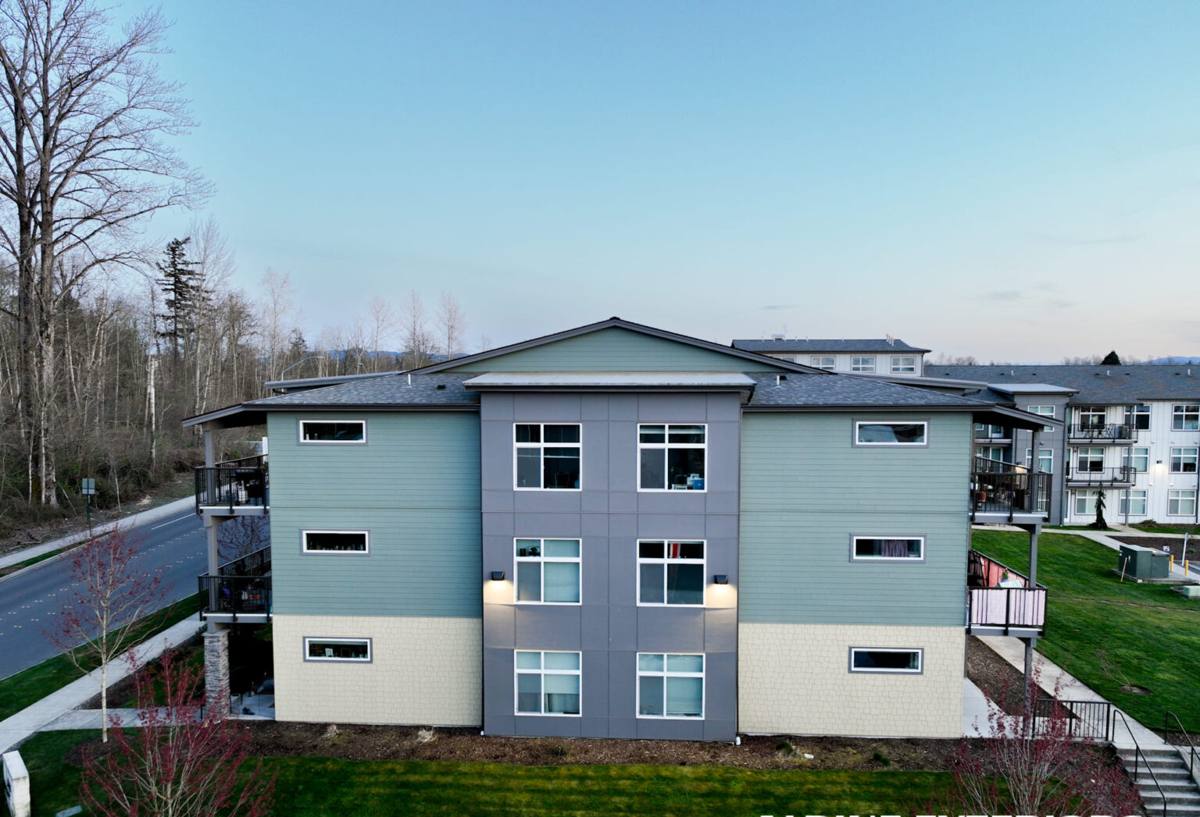
What Nokomis Homes Actually Need From a New Roof
Wind Performance, Not Just Wind Rating on Paper
A shingle or panel's wind rating means little if the fasteners, nailing pattern, and underlayment beneath it aren't installed to match. Sarasota County falls under Florida Building Code provisions for enhanced wind-uplift performance, which means roofing materials and installation methods have to meet standards stricter than what's used in much of the rest of the country. We install to those standards as our baseline, not as an upgrade.
UV and Heat Resistance
Florida's sun works on a roof every single day of the year, not just during storm season. UV exposure breaks down cheaper shingle mats and adhesives over time, causing granule loss, brittleness, and premature cracking. Materials and underlayments that hold their integrity under sustained heat and UV load are non-negotiable for a roof that's supposed to last two to three decades in this climate.
Salt Air Corrosion Control
Properties closer to the Gulf and the Intracoastal see accelerated corrosion on any exposed metal — flashing, fasteners, vents, and drip edge included. Standard galvanized hardware corrodes faster in salt air than it would ten or fifteen miles inland. We spec corrosion-resistant fasteners and flashing components on Nokomis jobs as standard practice, not an add-on.
Wind-Driven Rain Sealing
Most roof leaks after a storm aren't from missing shingles — they're from wind-driven rain forcing water sideways and upward under improperly sealed edges, valleys, and penetrations. Correct underlayment layering, self-adhering membrane at vulnerable points, and properly sealed flashing matter more here than in drier, calmer climates.
What a Correct Roof Replacement Actually Involves
A roof replacement is more than stripping old shingles and laying new ones. Done correctly, it's a sequence of steps where each layer depends on the one before it being right.
Tear-Off and Deck Inspection
We remove the existing roofing material down to the deck and inspect every sheet of plywood or OSB underneath. Any wood that's soft, delaminated, or water-stained gets replaced before anything new goes down — covering over a compromised deck is one of the most common shortcuts that leads to early failure.
Fastening to Current Wind Code
Deck nailing pattern gets checked and corrected where needed to meet current Florida Building Code wind-uplift requirements, which is often stricter than what was used when the home was originally built.
Underlayment and Flashing
Self-adhering underlayment goes at eaves, valleys, and around every penetration — pipe boots, skylights, chimneys. New flashing goes in at walls, chimneys, and roof-to-wall transitions rather than reusing old, corroded pieces.
Ventilation Check
Proper intake and exhaust ventilation keeps attic temperatures and moisture in check, which protects the new deck and shingles from the inside out and helps with energy costs. We check existing ventilation and correct it if it's undersized or blocked, which is common in older Nokomis homes that predate current code.
Final Inspection and Documentation
The completed roof gets a final walk-through, and we provide the documentation homeowners need for permitting close-out and, importantly, for insurance wind mitigation credits.
Choosing the Right Material for a Coastal Sarasota County Home
There isn't one universally "best" roofing material for Nokomis — the right choice depends on your home's structure, your budget, and how long you plan to own the property. Here's an honest comparison of the main options we install:
| Material | Typical Lifespan | Wind Performance | Salt Air / Coastal Notes |
|---|---|---|---|
| Architectural asphalt shingle | 20–30 years | Good, when rated and installed for high-wind zones | Reliable and cost-effective; fasteners and flashing must be corrosion-resistant |
| Standing seam metal | 40–50+ years | Excellent uplift resistance with proper clip spacing | Needs marine-grade or coated fasteners near the coast to avoid streaking and corrosion |
| Concrete or clay tile | 40–50+ years | Very good when fastened per current wind code | Heavy — deck and truss condition must be verified; underlayment is what actually stops leaks |
We walk homeowners through this trade-off honestly during the estimate: asphalt gets you a durable, well-priced roof with a shorter service life; metal and tile cost more up front but spread that cost over decades. None of these is the "wrong" choice — the wrong choice is picking a material and then cutting corners on the installation details underneath it, which is where most premature failures actually come from.
Permits, Wind Mitigation, and Insurance
Every full roof replacement in Sarasota County requires a permit, and the finished work has to pass inspection against current Florida Building Code wind provisions before it's signed off. We handle the permitting process as part of the job, not as a separate hassle for the homeowner.
We also recommend homeowners request a wind mitigation inspection once the new roof is complete. This documents features like the roof's shape, the type of roof-deck attachment, the presence of a secondary water barrier, and impact-resistant components — all of which can qualify a Nokomis home for meaningful homeowners insurance premium discounts. It's a short inspection that can pay for itself many times over.
Documents Worth Keeping After Replacement
- Final permit and inspection sign-off from Sarasota County
- Manufacturer warranty registration for shingles or panels
- Wind mitigation inspection report for your insurer
- Photos or notes on any deck repairs made during tear-off
Our Process for Nokomis Roof Replacements
- On-site inspection and honest assessment — repair vs. full replacement, with no pressure either way
- Written estimate that breaks down material options, labor, and permitting
- Permit filing with Sarasota County before any work begins
- Tear-off, deck inspection, and any necessary deck repair
- Underlayment, flashing, and ventilation correction
- Installation of the chosen roofing material to current wind-code fastening standards
- Final inspection, cleanup, and paperwork handoff — including documentation for wind mitigation
Signs a Nokomis Roof Needs Replacement, Not Just Repair
Not every roof problem means a full tear-off. But there are signs that point past patching and toward replacement, especially on homes exposed to Nokomis's coastal wind and salt conditions:
- Shingles that are curling, cupping, or losing granules across large sections of the roof, not just one spot
- Visible corrosion on flashing, vents, or fasteners
- Leaks showing up in more than one room or in a different spot after every storm
- Soft or spongy decking felt when walked on, or sagging visible from the ground
- A roof approaching or past 20–25 years old, regardless of how it looks from the street
- Storm damage significant enough that your insurer is requesting a full inspection
- Rising insurance premiums or non-renewal notices tied to roof age or condition
If you're only seeing one or two of these and the roof is otherwise sound, a repair may genuinely be the right call — and we'll tell you that instead of upselling a replacement you don't need yet.
Why Hiring a Crew That Already Works in Nokomis Matters
Roofing crews who mainly work well inland don't run into salt air corrosion or the specific wind exposure patterns near the Gulf and the Intracoastal on a daily basis, so those details aren't always top of mind. A crew that regularly works Nokomis and the surrounding coastal parts of Sarasota County already knows to spec corrosion-resistant hardware by default, already understands the county's permitting and inspection expectations, and has seen firsthand how roofs in this specific area age and fail — which shapes what gets built differently the next time.
That local familiarity shows up in small decisions throughout the job: which fastener grade to use without being asked, where wind-driven rain tends to find weak points on this coastline, and how to sequence a tear-off around Florida's afternoon storm patterns so the deck isn't exposed longer than necessary.
What to Check Before Hiring Anyone for the Job
- Current Florida roofing license and liability insurance, verifiable through the state
- A written estimate that specifies materials, fastening method, and underlayment — not just a total price
- Willingness to pull the required Sarasota County permit rather than skip it
- A clear answer on deck repair costs before work starts, not as a surprise change order
- Manufacturer certification if you want the material manufacturer's extended warranty coverage
Maintaining Your New Roof in a Coastal Climate
A properly installed roof still benefits from basic upkeep, especially this close to the Gulf. Rinsing off salt residue and debris periodically, keeping gutters clear so water sheds properly during heavy wind-driven rain, and having the roof looked at after any major storm all help it reach its full expected lifespan. We're glad to point out what to watch for on your specific roof and material during the final walk-through, so you know what's normal wear versus something worth a call.
If your Nokomis roof is showing its age, took storm damage, or you just want an honest read on where it stands, we're happy to come take a look. The estimate is free, there's no pressure to decide on the spot, and you'll get a straight answer about whether you need a repair or a full replacement — use the form below to get started.