 Sarasota Roofing
 Asphalt Shingle Roofing Built for Nokomis, Not a Generic Climate
Nokomis sits close enough to the Gulf that salt air, humidity, and storm exposure shape almost every roofing decision homeowners here make. Asphalt shingles remain one of the most practical, cost-effective roofing options for this part of Sarasota County — but only when the materials, fasteners, and installation details are matched to what this specific coastline throws at a roof year after year. A shingle roof installed the same way it would be in a landlocked, mild climate will not hold up here. One installed correctly for Nokomis can perform well for decades.
This page focuses specifically on asphalt shingle roofing for homes in and around Nokomis — what the local climate demands, what a correct installation actually involves, and how our process is built around the realities of working on this coast, not a generic national template.
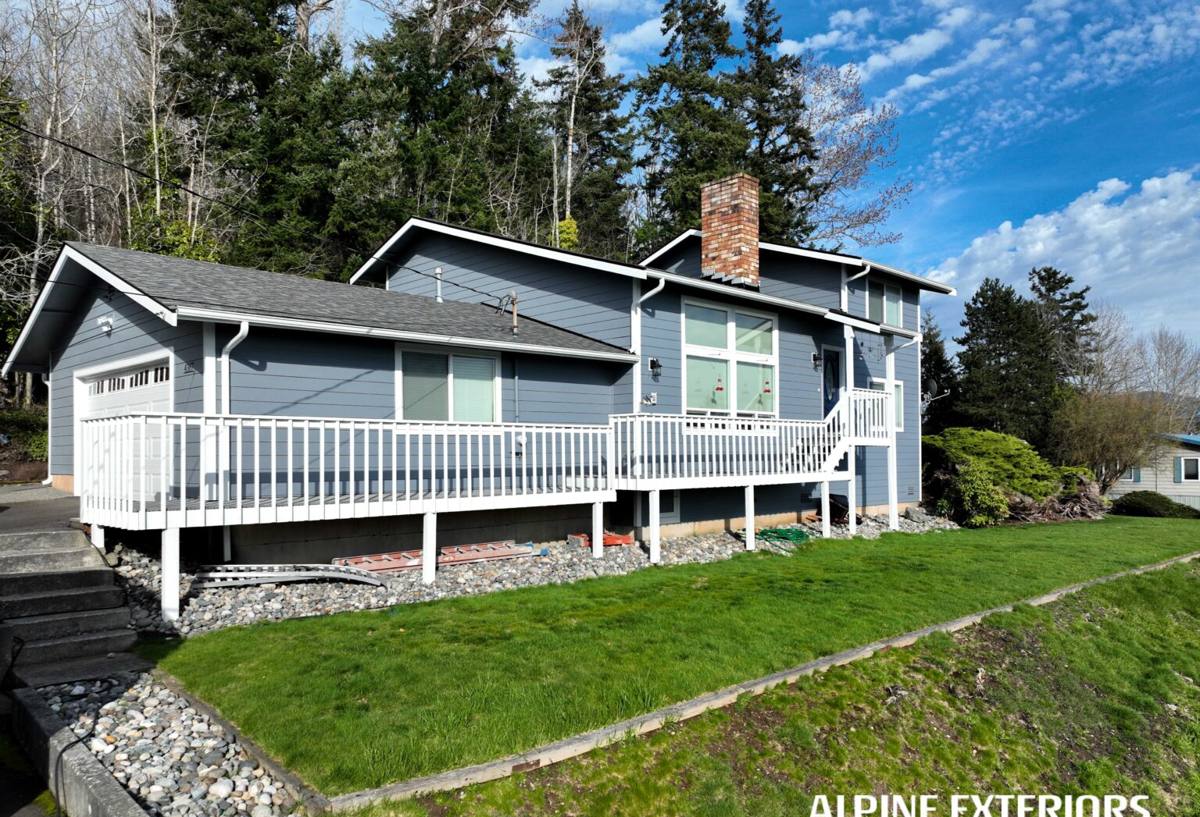
What Nokomis' Climate Actually Does to a Shingle Roof
Every roofing material eventually shows the effects of coastal Florida exposure, but shingle roofs face a specific combination of stresses in this area that homeowners further inland rarely deal with at the same intensity.
Hurricane-Force Wind
Sarasota County sits in a high-wind zone, and Nokomis' proximity to the Gulf means roofs here can see sustained tropical-storm and hurricane winds more often than homes just a few miles inland. Wind doesn't just tear shingles off in a single dramatic event — it works on fastener holes, seals, and edges over years of lesser storms, loosening tabs long before a hurricane ever tests them. The first place a poorly fastened roof fails is almost always the edges and ridge, where uplift pressure is highest.
Intense, Year-Round UV
Florida's sun doesn't take a season off. UV exposure breaks down the asphalt binders in shingles over time, causing granule loss, brittleness, and premature aging — especially on south- and west-facing slopes. A shingle rated for a 25-year lifespan in a milder climate may not reach that mark here without the right underlying protection and ventilation.
Wind-Driven Rain
Straight-down rain is easy for any roof to shed. Wind-driven rain during Gulf storms pushes water sideways and upward under shingle tabs, at valleys, around penetrations, and along edges — spots that a purely rain-resistant (rather than wind-and-rain-resistant) installation can miss. This is where underlayment choice and detail work matter as much as the shingle itself.
Salt Air
Being close to the coast means airborne salt settles on roofing materials and accelerates corrosion of exposed metal — fasteners, flashing, vent stacks, and drip edge. A roof built with standard-grade metal components will corrode faster here than the same roof built a few miles inland.
Choosing the Right Shingle for a Coastal Sarasota County Home
Not every asphalt shingle product is built for the same conditions, and the difference matters more in Nokomis than it does in most of the country. The table below compares the shingle categories we most often discuss with homeowners in this area.
| Shingle Type | Typical Wind Rating | Best Fit | Trade-Offs |
|---|---|---|---|
| 3-Tab Asphalt | Lower end of rated range | Budget-conscious re-roofs on lower-exposure lots | Lighter weight, fewer wind-resistance layers, shorter realistic lifespan in coastal exposure |
| Architectural (Laminated) | Mid-to-high range | Most Nokomis homes; balance of cost, durability, and appearance | Higher material cost than 3-tab, but significantly better wind and weathering performance |
| Impact-Rated / High-Wind Architectural | Highest available in asphalt | Homes with direct Gulf exposure, older roofs due for upgrade, insurance-conscious owners | Highest upfront cost; often offsets long-term through insurance discounts and reduced storm damage |
For most Nokomis properties, we steer homeowners toward architectural shingles with a wind rating matched to Sarasota County's building code minimums or higher, not just the manufacturer's baseline product. The extra cost over 3-tab shingles is modest compared to the cost of a mid-storm repair or premature replacement.
What a Correct Shingle Installation Actually Involves
The shingle brand printed on the wrapper matters far less than what happens underneath it and how it's fastened. A correct installation in this climate includes several layers most homeowners never see once the job is finished.
Deck Inspection and Repair
Before anything else goes down, the roof deck itself has to be sound. Soft spots, delamination, or water-damaged sheathing found during tear-off get replaced — installing new shingles over a compromised deck just hides a problem that will resurface, often through a leak or a fastener that won't hold under wind load.
Underlayment
Given the amount of wind-driven rain this area sees, we don't treat underlayment as an afterthought. Self-adhering, waterproof underlayment at eaves, valleys, and roof penetrations gives the roof a second line of defense if wind ever drives water past the shingle layer — which happens even on well-installed roofs during severe storms.
Drip Edge and Starter Strips
Roof edges are where uplift wind pressure concentrates first. Properly installed metal drip edge and a full starter strip course — not just the first row of field shingles cut down — anchor the roof's most vulnerable perimeter and are one of the most commonly skipped details in lower-quality installs.
Fastening Pattern
Nail count and placement directly affect a shingle roof's wind rating. Manufacturers specify fastener patterns tied to wind-zone requirements, and using the high-wind nailing pattern rather than the minimum standard pattern is a meaningful upgrade for a home this close to the Gulf — it costs more labor time, not more material, and it's one of the highest-value decisions in the whole job.
Flashing and Penetrations
Every vent stack, chimney, and roof-to-wall transition is a potential entry point for water. We use corrosion-resistant flashing given the salt-air exposure in this area, and we detail these transitions individually rather than relying on sealant alone, which degrades under UV over time.
Ridge Ventilation
Proper attic ventilation keeps shingles cooler and extends their service life by reducing the heat buildup that accelerates UV and thermal aging from underneath. It also helps manage moisture in the attic, which matters in a humid climate like Sarasota County's.
How Our Process Works
Homeowners in Nokomis are usually weighing a repair against a full replacement, or trying to understand what a fair, correctly scoped job looks like. Our process is built to answer that clearly before any work starts.
- On-site inspection: We assess the shingles, decking, flashing, and ventilation in person — not from a satellite photo — and document what we find.
- Honest repair-vs-replace assessment: If a repair genuinely solves the problem, we say so. Replacement gets recommended when the roof's age, damage extent, or underlying deck condition make repair a short-term fix at best.
- Written estimate: A clear scope of work and cost, with material options explained in plain terms — no pressure to decide on the spot.
- Material selection: We walk through shingle and underlayment options suited to your home's specific exposure, including whether an upgraded wind rating makes sense for your lot.
- Tear-off and deck check: Old roofing is fully removed and the deck inspected before anything new goes down.
- Installation to high-wind detailing: Underlayment, drip edge, starter strips, fastening pattern, and flashing all installed to the standard this coastline requires.
- Cleanup and final walkthrough: Job site cleared of debris and nails, with a walkthrough so you understand what was done and why.
Maintenance and Warning Signs Between Inspections
A correctly installed shingle roof still needs periodic attention, especially after storm season. Homeowners who catch problems early almost always spend less than those who wait for a leak to show up inside the house.
- Granules collecting in gutters or at downspout outlets — a sign of accelerating shingle wear
- Curling, cupping, or lifted tabs, particularly on south- and west-facing slopes
- Missing shingles or exposed nail heads after a wind event, even a minor one
- Rust staining or visible corrosion around flashing, vent stacks, or exposed fasteners
- Soft spots, sagging, or discoloration on interior ceilings near roof penetrations
- Visible daylight or debris in the attic where there shouldn't be any
After any named storm or significant wind event, a quick visual check — or a call to have someone look at it professionally — is worth the time. Small issues caught early are almost always repairs; the same issues left through another storm season often become replacements.
Cost Factors Homeowners Should Understand
Every roof is different, and we don't quote sight-unseen prices, but the factors below are what actually move the cost of a shingle roofing project up or down in this area.
| Factor | Why It Matters |
|---|---|
| Roof size and pitch | More surface area and steeper slopes both increase material and labor time |
| Number of layers to remove | Tear-off of multiple existing layers adds labor and disposal cost |
| Deck condition | Rotted or delaminated sheathing found during tear-off requires replacement before new roofing goes on |
| Shingle tier chosen | 3-tab, standard architectural, and high-wind architectural products carry different material costs |
| Fastening and underlayment upgrades | High-wind nailing patterns and self-adhering underlayment add labor and material but improve storm performance |
| Roof complexity | Valleys, dormers, chimneys, and multiple penetrations all add detail work |
We break these factors out in every written estimate so you can see exactly what you're paying for, rather than a single lump number with no explanation behind it.
Why Hiring a Crew That Already Works in Nokomis Matters
Roofing crews unfamiliar with this specific stretch of coast tend to default to standard installation practices that were developed for calmer, drier climates. That gap shows up later — in edges that lift in the next tropical storm, fasteners that corrode faster than expected, or ventilation that wasn't sized for Florida humidity.
Working regularly in Nokomis and the surrounding Sarasota County communities means we're familiar with the local permitting process, the wind-zone requirements that apply to this area, and the kind of storm exposure specific properties here actually face depending on their distance from the Gulf and surrounding tree cover. We also know which product lines hold up honestly in this environment versus which ones look good on a spec sheet but underperform once salt air and repeated wind events go to work on them. That local, repeated exposure is what informs the material and installation recommendations we make — not a one-size-fits-all national playbook.
Get a Free, No-Pressure Estimate
If you're weighing a repair, planning ahead of storm season, or replacing a roof that's simply reached the end of its service life, we're glad to take a look and give you a straight answer. Use the form below to request a free estimate for asphalt shingle roofing in Nokomis — no pressure, just a clear assessment of what your roof actually needs.