 Sarasota Roofing
 Deck Repair Built for Nokomis, Not a Generic Climate
Nokomis sits in that stretch of Sarasota County where the Gulf, the Intracoastal, and a lot of canal-front and near-coastal homes all come together. That location is part of why people live here — and it's exactly why decks in this area age differently than decks fifty miles inland. Salt-laden air, near-constant UV exposure, wind-driven rain, and the occasional direct hit from tropical systems all work on wood, fasteners, and framing at a faster rate than most manufacturers' warranties assume. A deck repair here isn't just "replace the bad board" — it's understanding why that board went bad in the first place and making sure the fix doesn't fail again in eighteen months.
We work on decks throughout the Nokomis area regularly, which means we're not guessing at how Sarasota County's coastal exposure behaves. We're diagnosing the same corrosion patterns, the same rot locations, and the same wind-uplift failures over and over — and fixing them the same correct way every time.
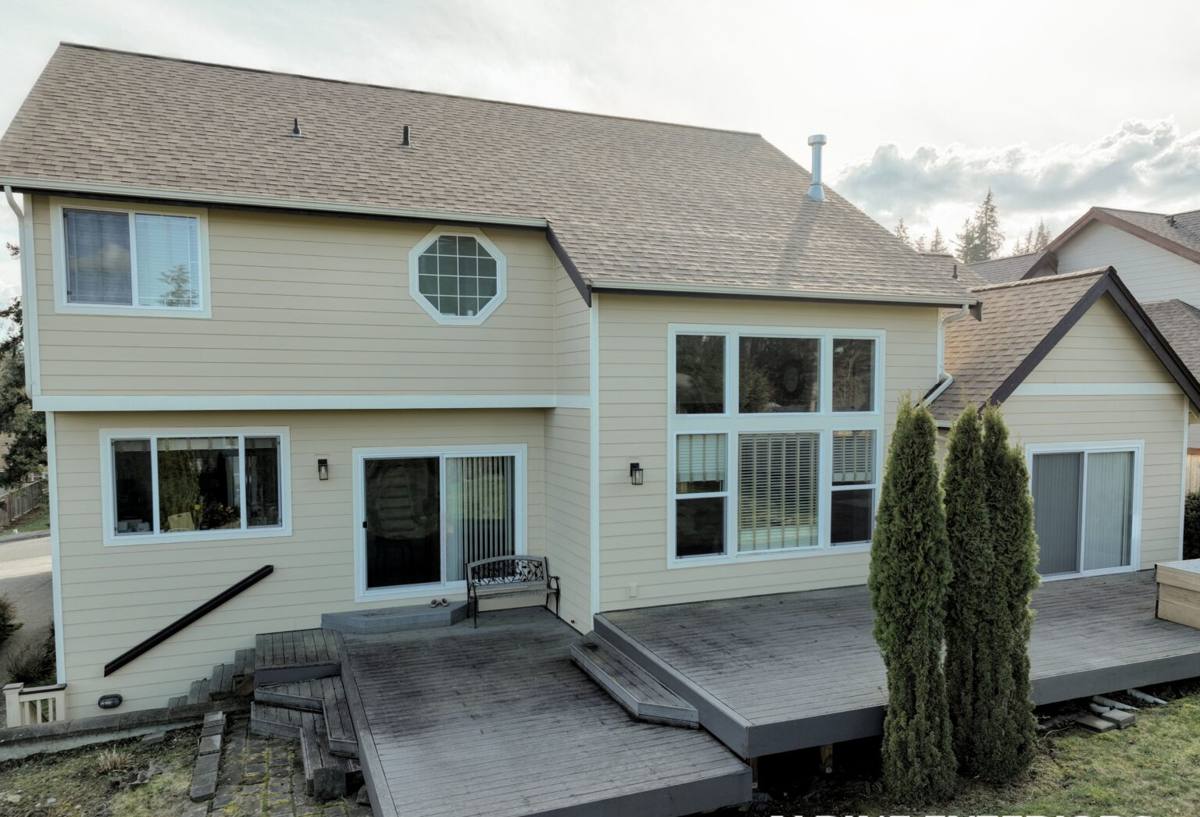
What Sarasota County's Climate Does to a Deck Over Time
UV and Heat
Florida sun is relentless nearly year-round. On wood decking, UV breaks down the lignin that holds fibers together, leaving boards gray, splintery, and prone to cracking even if they're structurally intact underneath. On composite decking, UV and heat cycling can accelerate fading and, on lower-grade products, surface degradation. Either way, sun damage is rarely just cosmetic — it's often the first sign that a board's protective layer is gone and moisture can now get in.
Salt Air and Corrosion
Being close to the Gulf and to canal or intracoastal water means airborne salt settles on everything, including metal that isn't rated for it. Standard fasteners, brackets, and hangers corrode faster here than the same hardware would fifty miles inland. Corroded fasteners lose their grip strength long before they look obviously rusted through, which is why a deck can feel "solid" right up until it isn't.
Wind-Driven Rain and Moisture Intrusion
Storms here don't just drop rain straight down — wind pushes it sideways, up under flashing, behind ledger boards, and into any gap in the decking that wouldn't normally see water. That's how rot starts in places a homeowner never inspects: the ledger-to-house connection, the tops of posts, the underside of the frame.
Hurricane and Tropical Storm Wind Loads
Deck railings and stair structures take real lateral load during high wind events. Connections that were adequate when a deck was built decades ago may not meet current wind-load expectations, and repeated storm cycles loosen fasteners even when nothing visibly breaks.
Common Deck Problems We Find on Nokomis Homes
- Soft, spongy, or splintering decking boards, especially near the perimeter and stair treads
- Rust streaks or corrosion around fastener heads and metal connectors
- Loose, wobbly, or "springy" railings and posts
- Gaps or separation where the deck ledger meets the house
- Water stains or soft wood on the underside of the frame, visible from below
- Nail heads popping up as boards cup or shrink under sun exposure
- Stair stringers or treads that flex or creak under normal weight
Any one of these on its own might be a minor fix. Several together usually mean the deck has been absorbing moisture for a while and needs a real inspection, not just a board swap.
What a Correct Deck Repair Actually Involves
A repair that actually holds up in this climate starts below the decking, not on top of it.
Structural Inspection First
Before replacing a single board, we check the ledger board attachment, the posts and footings, the joists, and every connection point for hidden rot or corrosion. Surface-level repairs on top of a compromised frame don't last — they just hide the real problem for a season or two.
Ledger Board and Flashing
The ledger board — where the deck attaches to the house — is the single most common failure point on Gulf Coast decks, because it's also the point most exposed to wind-driven rain running down the wall. Proper flashing and a sound ledger connection are non-negotiable in a real repair, even if that means opening up more of the structure than a homeowner expected.
Fastener and Hardware Grade
Given the salt exposure typical of this part of Sarasota County, we use stainless steel or properly rated hot-dip galvanized fasteners and connectors rather than standard hardware store grade. It costs a little more upfront and saves the deck from another round of corrosion-driven failure in a few years.
Board Replacement vs. Whole-Deck Repair
Sometimes a handful of bad boards is genuinely all that's wrong, and a spot repair is the honest answer. Other times the framing underneath has been compromised long enough that patching the surface would be putting new decking over a problem that's still active. We'll tell you plainly which situation you're in.
Repair or Replace: How We Help You Decide
| Factor | Repair Usually Makes Sense | Replacement Usually Makes Sense |
|---|---|---|
| Framing condition | Joists, posts, and ledger are sound; damage is isolated | Rot or corrosion found at multiple structural connection points |
| Age of deck | Newer deck with a localized issue | Deck is well past typical service life for this climate |
| Extent of damage | A few boards, railings, or fasteners affected | Widespread soft decking, cupping, or corrosion throughout |
| Code compliance | Current structure already meets code for railings and spacing | Old construction doesn't meet current wind or safety code |
| Budget goals | Extending usable life a few more years cost-effectively | Wanting a longer-term, lower-maintenance solution |
We walk every deck with these factors in mind and give you the honest version — not the version that sells the bigger job.
Our Process for a Nokomis Deck Repair
- On-site inspection. We look above and below the deck — decking, railings, stairs, ledger, posts, footings, and hardware.
- Clear, written scope. You get a plain explanation of what's actually wrong, what needs to be fixed now, and what can wait.
- Permitting when required. Structural deck work in Sarasota County often requires a permit; we handle that so you don't have to track it down yourself.
- The repair itself. Correct fastener grade, proper flashing at the ledger, and matched materials so the repair doesn't stand out or behave differently than the rest of the structure.
- Final walkthrough. We check railings for rigidity, stairs for solid footing, and confirm nothing was missed before we call the job done.
Materials: Wood vs. Composite for a Repair
Both wood and composite decking have a place in a repair, and the right call depends on the rest of the deck and your maintenance appetite.
Pressure-Treated and Hardwood Decking
Cost-effective and easy to match to an existing wood deck, but it needs regular sealing or staining to hold up against this much UV and salt exposure. Skipping maintenance is the single biggest reason wood decking fails early here.
Composite Decking
Lower ongoing maintenance and generally more stable in sun and moisture, but composite is heavier, and it needs framing and spacing that's actually rated for it — swapping composite onto an old wood frame without adjusting joist spacing and ventilation is a common corner-cutting mistake that shortens its life. We'll size the repair to the material, not force the material onto whatever framing happens to already be there.
Why a Crew That Already Works Nokomis Matters
A contractor who mainly works well inland doesn't see ledger rot, fastener corrosion, and wind-driven rain damage often enough to know the pattern on sight. Working this specific part of Sarasota County regularly means we recognize a salt-air corrosion problem or a wind-driven rain intrusion point faster, because we've already found it on the house down the street. It also means faster response after a named storm, when demand for repair spikes and homeowners further from the coast get pushed to the back of the line.
Between Inspections: What You Can Check Yourself
- Look under the deck after heavy rain for standing water or damp framing
- Check railings and posts by hand for any wobble or give
- Watch for rust streaking around screws, nails, or metal brackets
- Note any boards that feel soft, spongy, or noticeably cooler/damper than the rest
- Re-seal or re-stain wood decking on the schedule the product actually calls for, not "when it looks bad"
- After any major storm, do a quick visual check before heavy use resumes
None of this replaces a professional inspection, but catching a small issue between visits is often the difference between a repair and a rebuild.
If your deck in Nokomis has soft spots, loose railings, rust stains, or you just haven't had it looked at in a while, we're glad to come take a look. The estimate is free, there's no pressure, and you'll get a straight answer about what your deck actually needs — use the form below to get started.