 Sarasota Roofing
 Metal Roofing for Nokomis Homes
Nokomis sits on the coastal edge of Sarasota County, close enough to the Gulf of Mexico that salt air, wind, and sun are a daily fact of life rather than an occasional nuisance. That combination is exactly why so many homeowners in this part of the county are moving away from asphalt shingles and toward metal roofing. A correctly installed metal roof handles what this location throws at it better than most other roofing materials on the market, but "correctly installed" is doing a lot of work in that sentence. Metal roofing rewards good workmanship and punishes shortcuts more than almost any other roofing system, which is why the details of the install matter as much as the material itself.
This page covers what a metal roof needs to do in Nokomis specifically, what a proper installation actually involves, and how we approach the job when we're on your roof.
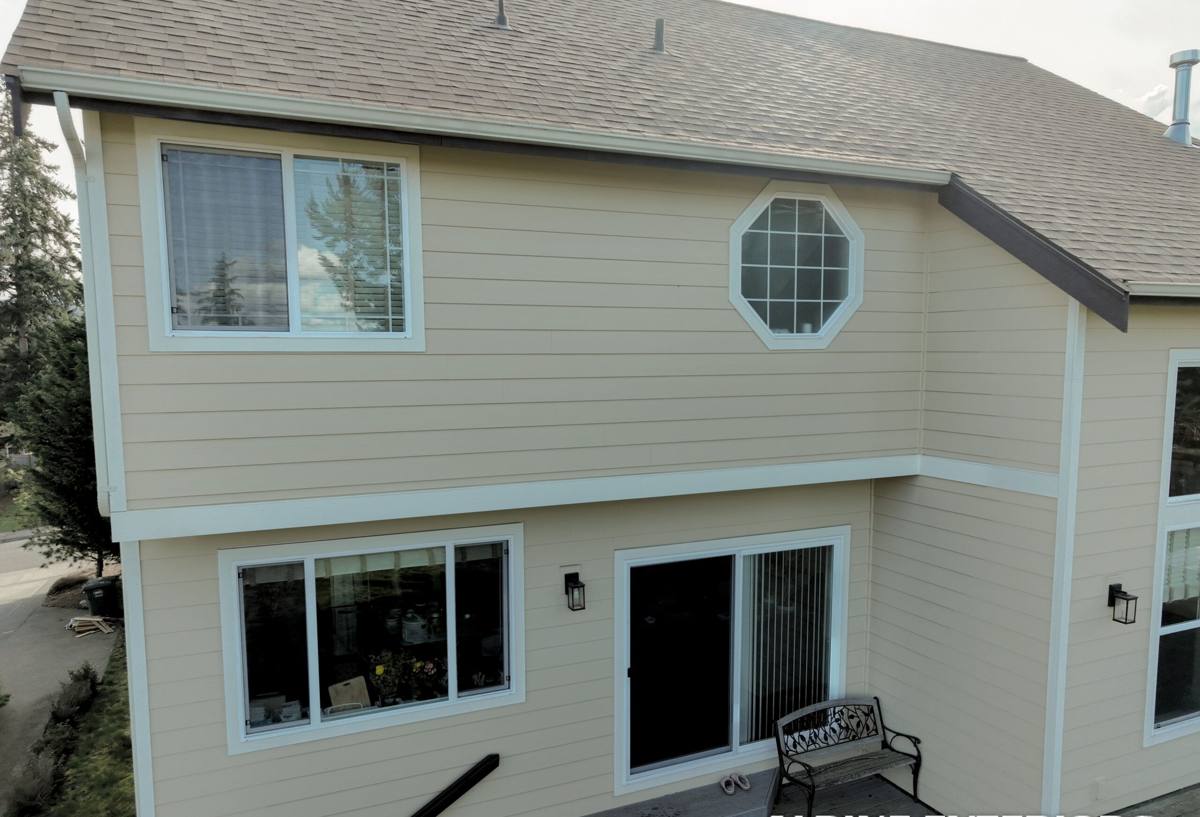
What Nokomis's Climate Demands From a Roof
Hurricane-force wind
Sarasota County sits in a hurricane-prone stretch of the Gulf coast, and Nokomis's proximity to open water means wind exposure is a real design consideration, not an afterthought. A metal roof's wind performance comes down almost entirely to how it's fastened and how the panel or shingle system is engineered to lock together. The metal itself rarely fails in a storm — the attachment does, when it's undersized, under-spaced, or installed to a lower wind rating than the home actually needs.
Year-round UV load
Florida sun is intense for most of the calendar year, and UV breaks down organic roofing materials faster here than it does in milder climates. Metal doesn't have the same UV-degradation problem that asphalt shingles do — it doesn't dry out, curl, or lose granules — but paint finishes still matter. A quality factory-applied coating resists chalking and fading far longer than a cheap finish, and that difference shows up in how the roof looks ten and twenty years down the road.
Wind-driven rain
It's rarely straight-down rain that causes leaks in this area — it's rain being pushed sideways and upward under wind pressure, working its way into laps, penetrations, and edges that a fair-weather installation never had to resist. This is where underlayment choice and flashing detail work do the real job of keeping a house dry, more so than the panel profile itself.
Salt air and corrosion
Being near the Gulf means airborne salt settles on every exterior surface, including the roof. Salt accelerates corrosion at fasteners, cut edges, and any spot where a coating is thin or damaged. Coastal-proximity homes need roofing hardware and finishes rated for that exposure — this is a bigger factor in material and fastener selection here than it would be for a home twenty miles inland.
Why Metal Roofing Fits This Location
Given those four conditions, metal roofing has real, practical advantages for Nokomis homes:
- Wind performance: Properly fastened metal systems are engineered and tested to high wind-uplift ratings, which matters directly for storm resistance and can factor into wind mitigation credits on insurance.
- No granule or shingle loss: There's no mat to degrade and no granules to shed, so the roof's appearance and performance stay consistent over its service life.
- Sheds wind-driven rain well when laps, seams, and flashings are detailed correctly — the panel itself is a highly water-resistant surface.
- Long service life relative to asphalt, which reduces how many times a homeowner near the coast has to go through a full re-roof and the associated disruption.
- Reflects heat reasonably well with the right finish, which can take some edge off cooling costs in a climate where the AC runs most of the year.
None of that happens automatically just because the material is metal. It happens because the system underneath it and the fastening pattern holding it down were specified for this coastline, not for a generic climate.
What a Correct Metal Roof Installation Involves
Deck inspection and prep
Metal roofing is unforgiving of a bad deck. Before anything goes down, the roof deck needs to be inspected for soft spots, delamination, or old damage — often uncovered once the existing roofing is stripped off. Any compromised decking gets replaced before installation continues; skipping this step is one of the most common causes of early failure.
Underlayment
A high-temperature-rated synthetic or self-adhered underlayment goes down as the roof's real waterproofing layer. In this climate, this layer matters as much as the metal on top of it, since it's the backup that keeps the house dry if wind-driven rain ever gets past a seam or flashing point.
Fastening and attachment
This is the single biggest factor in wind performance. Fastener type, spacing, and pattern all need to match the panel manufacturer's tested wind-uplift specification for this region — not a generic spec pulled for a calmer climate. Exposed-fastener systems and concealed-fastener (standing seam) systems each have different attachment requirements, and both need to be installed to spec, not "close enough."
Flashing and penetrations
Valleys, wall transitions, pipe boots, skylights, and any roof penetration are where leaks actually start. These details take more time to do right than the open field of the roof does, and it's usually where the difference between an experienced metal roofing crew and a general contractor shows up.
Ventilation
Proper ridge and intake ventilation keeps heat and moisture from building up in the attic space, which protects the deck and helps the whole system perform the way it's designed to.
Comparing Metal Roofing Systems
Not all metal roofing is the same product wearing a different color. The table below is a general comparison to help frame the conversation — the right choice depends on your home's roof pitch, budget, and how long you plan to stay in the house.
| System Type | How It's Fastened | Typical Best Fit | Coastal Consideration |
|---|---|---|---|
| Standing seam (concealed fastener) | Hidden clips under raised seams, no exposed screws | Homes wanting the longest service life and cleanest look | No exposed fastener heads for salt air to attack over time |
| Exposed-fastener panel | Screws through the panel face into the deck or purlins | Budget-conscious projects, outbuildings, some home styles | Fastener gaskets and heads need periodic condition checks |
| Metal shingle / shake profile | Interlocking panels, concealed fasteners | Homeowners wanting a traditional shingle or shake look with metal's durability | Same corrosion-resistant hardware requirements apply |
Our Process, Start to Finish
- On-site inspection and honest assessment — we look at your existing roof, deck condition, and any problem areas before recommending anything.
- Written estimate — clear scope, materials, and pricing, no pressure to decide on the spot.
- Material selection — panel profile, gauge, and finish chosen for your home and budget, with wind rating appropriate to this location.
- Tear-off and deck repair — old roofing removed, deck inspected and repaired as needed before anything new goes down.
- Underlayment, fastening, and flashing installed to spec — the part of the job that determines whether the roof performs in a storm.
- Final walkthrough — we go over the finished roof with you before we consider the job done.
Metal Roofing Cost Factors
Metal roofing costs more up front than asphalt shingles, and the price swings based on a handful of specific factors rather than a flat per-square rate. Broadly, homeowners should expect metal roofing to run from moderate to premium pricing depending on the choices below — we'll give you real numbers for your roof during an on-site estimate rather than a number pulled out of thin air.
| Factor | Why It Moves the Price |
|---|---|
| Panel system (exposed vs. standing seam) | Concealed-fastener systems cost more in material and labor than exposed-fastener panels |
| Metal gauge and coating | Heavier gauge and premium coatings cost more but hold up longer against salt air and UV |
| Roof complexity | Valleys, dormers, and multiple roof planes add labor time and flashing work |
| Deck condition | Rotted or damaged decking found during tear-off adds repair cost before installation continues |
| Tear-off vs. overlay | Full tear-off costs more than overlay but is the only way to properly inspect and treat the deck underneath |
Maintenance: What to Expect After Installation
A metal roof is genuinely low-maintenance, but "low" isn't "none." A simple checklist keeps it performing the way it should:
- Rinse off salt residue and debris periodically, especially after storms
- Keep gutters and downspouts clear so water isn't sitting against roof edges
- Have fasteners and flashing points checked after any major wind event
- Trim back overhanging branches that could scratch the finish or drop debris
- Schedule a periodic visual inspection rather than waiting for a visible problem
Why a Crew That Already Works Nokomis Matters
Metal roofing installation quality varies enormously between contractors, and the difference rarely shows up until years later when a fastener pattern that wasn't quite right lets go in a storm, or a flashing detail that was rushed finally leaks. A crew that regularly works Sarasota County's coastal areas already understands the wind-rating requirements, the corrosion-resistant hardware this exposure calls for, and the flashing details that wind-driven rain actually tests. That's not a marketing point — it's the difference between a roof that's engineered for this coastline and one that's installed the same way it would be two hundred miles inland.
If you're weighing metal roofing for your Nokomis home, we're happy to come take a look, walk you through what your roof specifically needs, and give you a straightforward estimate — no pressure, no hard sell. Use the form below to request a free estimate.