 Sarasota Roofing
 Composite Decking in Nokomis: Built for This Climate, Not Just This Season
Nokomis sits on the Gulf side of Sarasota County, close enough to the water that salt air reaches yards that never see the beach directly. Add in the intense, nearly year-round Florida UV and the wind-driven rain that comes through with summer storms and hurricane season, and you've got a set of conditions that will find every weak point in an outdoor deck. A deck that isn't built with this specific combination in mind won't fail because of one bad storm — it fails gradually, from fasteners corroding, boards fading unevenly, or moisture getting trapped somewhere it shouldn't.
Sarasota Roofing Co works decks, roofs, and siding across Sarasota County, and composite decking is one of the few deck materials we're comfortable standing behind in this climate without a long list of caveats. This page covers what a Nokomis composite deck actually needs, what a correct installation involves, and how we approach the job so it holds up under Gulf Coast sun and salt instead of just looking good for the first year.
What Nokomis's Climate Does to a Deck
UV Exposure, Day After Day
Florida sun is intense for most of the year, not just in summer. Wood decking exposed to that much UV dries out, checks, and splinters faster than it would in a milder climate, and even sealed wood needs re-treatment on a tight schedule to keep up. Composite decking with UV-stabilized capping resists that fading and surface breakdown far better, though color and quality still vary a lot between products.
Salt Air and Metal Fasteners
Nokomis doesn't have to be waterfront to feel salt air — it moves inland on Gulf breezes and settles on anything metal outdoors. Fasteners, brackets, and hardware that aren't rated for coastal exposure corrode faster here than most homeowners expect, and a corroding fastener under a deck board is a hidden problem until it isn't. Every hidden fastener and structural connector on a Nokomis deck needs to be chosen with that in mind, not just whatever came in the standard hardware pack.
Wind-Driven Rain and Afternoon Storms
Sarasota County's summer storm pattern means frequent, sometimes heavy, wind-driven rain. Water gets pushed sideways into ledger connections, under poorly flashed attachment points, and into any gap where a deck meets the house. A deck built without proper ledger flashing and drainage detailing will eventually show moisture damage at the house connection, even if the decking material itself is doing fine.
Hurricane-Force Wind Loads
Sarasota County sits in a hurricane-prone region, and a deck's structural framing, railing posts, and ledger attachment all need to be built to handle real wind loads, not just support foot traffic on a calm day. This is a structural engineering question as much as a decking-material question, and it's one of the areas where skipping code-minimum hardware shows up as a real safety issue during a storm, not just a cosmetic one.
Composite Decking: What It Gets Right for This Climate
Composite decking is a blend of wood fibers and plastic, typically with a UV- and moisture-resistant cap layer. For Nokomis specifically, the appeal comes down to a few practical advantages over traditional wood:
- No sealing, staining, or annual refinishing to keep up with intense Florida UV exposure
- Capped boards resist moisture absorption, which matters through a Gulf Coast wet season
- No splintering or splitting from repeated wet-dry cycling the way untreated or even treated wood can develop
- Consistent color and grain across the deck, without the natural variation and knots of solid wood
- Resistant to insect damage, which is a real consideration in this part of Florida
It isn't maintenance-free in an absolute sense — it still needs periodic cleaning to prevent mildew and surface buildup in a humid climate — but the maintenance burden is genuinely lower than wood, and lower-maintenance matters more here than in a drier climate where wood decking ages more slowly.
Where Composite Still Has Real Trade-Offs
We won't oversell it. Composite decking costs more upfront than pressure-treated wood, and lower-tier composite products can still fade or show surface wear faster than advertised, especially under sustained Florida sun. Board quality varies significantly by manufacturer and product tier, and the substructure underneath still has to be built correctly, since composite boards don't compensate for bad framing or poor drainage. Choosing the material is only part of the decision — the installation is where most of the long-term performance actually comes from.
Composite Decking vs. Other Common Options in Nokomis
| Material | UV & Salt Air Behavior | Typical Maintenance | Realistic Lifespan Here |
|---|---|---|---|
| Composite decking | Strong UV and moisture resistance with a quality capped product | Periodic cleaning; no sealing or staining | 25-30 years |
| Pressure-treated pine | Prone to fading, checking, and splintering under intense sun | Regular sealing and staining, roughly every 1-2 years | 10-15 years with consistent upkeep |
| Tropical hardwood (ipe, cumaru) | Naturally dense and durable, but still fades without maintenance | Periodic oiling to maintain color and prevent surface checking | 25-40 years with consistent upkeep |
| PVC decking | Excellent moisture and UV resistance; fully synthetic | Low; occasional cleaning | 25-30 years |
We'll talk through which option actually fits your budget, the deck's sun exposure, and how long you plan to stay in the home, rather than defaulting to whichever product is easiest to sell.
What a Correct Composite Deck Build Involves
The composite boards get most of the attention, but most deck problems in this climate trace back to what's underneath them. On every Nokomis composite deck, that means:
- Structural framing sized and spaced for composite decking's specific span ratings, which differ from wood
- Corrosion-resistant fasteners and structural connectors rated for coastal exposure, not standard hardware
- Properly flashed ledger board attachment at the house, sealed against wind-driven rain
- Joist tape or equivalent protection on framing members to slow moisture intrusion at fastener points
- Railing posts and hardware engineered for local wind load requirements, not just code minimums
- Proper board spacing and drainage so water sheds instead of pooling on or under the deck surface
None of these steps add much to the cost of the job relative to the decking material itself, but skipping them is exactly what turns a 25-year deck into a deck with structural problems in half that time.
Our Process for a Nokomis Composite Deck
1. On-Site Assessment
We look at the site, the existing structure if there is one, sun exposure, drainage, and how the deck will attach to the house before recommending anything. A shaded, low-lying yard and an open, sun-exposed lot don't call for identical builds.
2. Honest Material and Design Conversation
We walk through composite board tiers, colors, and railing options along with the real cost and maintenance trade-offs for each, so the decision is based on what fits your home and budget, not on whichever product carries the best margin.
3. Permitting and Structural Planning
Sarasota County has specific permitting and wind-load requirements for outdoor structures, and we handle that process as part of the job rather than leaving it to the homeowner to sort out separately.
4. Build, With Coastal-Grade Hardware Throughout
Framing, fastening, and ledger flashing are all done with this climate's salt air and storm exposure in mind, not generic hardware chosen to hit a lower price point.
5. Final Walkthrough
Before we call the job done, we walk the finished deck with you, covering what maintenance it actually needs (cleaning, not sealing) and what to watch for over the years ahead.
Signs an Existing Nokomis Deck Needs Attention
- Soft, spongy, or visibly sagging spots in the deck surface or framing
- Rust staining around fasteners or visible corrosion on hardware
- Loose or wobbly railings and posts
- Gaps or separation where the deck meets the house at the ledger board
- Boards that have faded unevenly, warped, or begun to splinter
- Standing water on the deck surface after rain instead of proper drainage
Any of these is worth a professional look, especially ahead of hurricane season when structural integrity matters most. Caught early, most are a repair. Left alone, several of them become a full rebuild.
Why a Local Sarasota County Crew Matters
A crew that already builds decks across Sarasota County understands how salt air, UV, and storm-season wind actually affect a deck over years, not just what a product data sheet claims. That translates into practical decisions on a Nokomis job: which hardware grade is worth the extra cost given proximity to the Gulf, how ledger flashing needs to be detailed for wind-driven rain, and how framing should be engineered for the wind loads this part of Florida actually sees. It also means someone who shows up already familiar with Sarasota County's permitting requirements instead of learning them on your project.
Beyond the Deck: Roofing and Siding
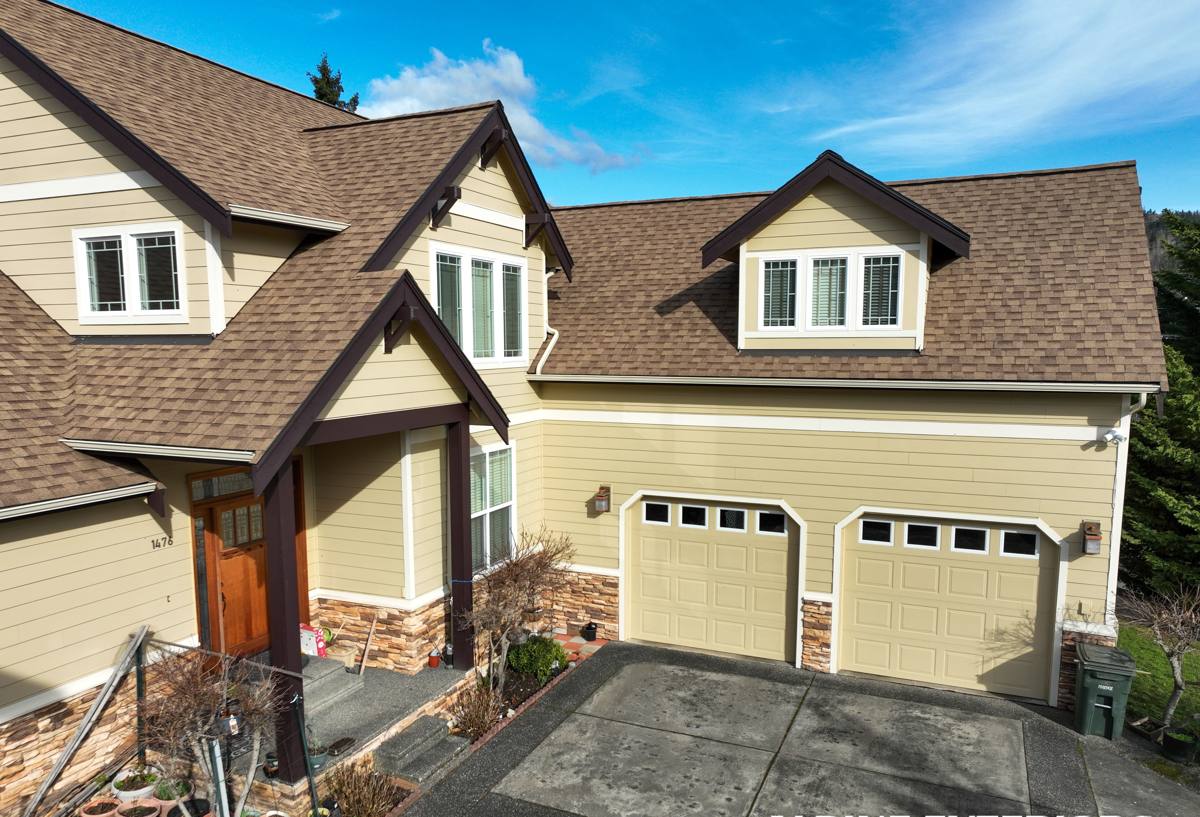
Decks are one part of what we do in Nokomis, but the same sun, salt air, and storm exposure that wears on a deck wears on the rest of a home's exterior too. We also handle roofing and siding work, and if a deck project turns up related issues at the house connection — moisture damage, aging trim, or siding that's taken storm damage — we can address it as part of the same conversation instead of sending you to track down a second contractor.
Get a Free, No-Pressure Estimate
If you're planning a new composite deck in Nokomis or want an honest look at an existing one, we're glad to come take a look and walk you through what it actually needs. Reach out using the form below to schedule a free estimate — no pressure, no upsell script.