 Sarasota Roofing
 Storm Damage Roof Repair for Nokomis Homes
Nokomis sits on the Sarasota County coast, close enough to the Gulf that every named storm, every summer squall line, and every stretch of dry season sun reaches these roofs at close to full strength. Homes here deal with a combination most inland Florida properties don't: hurricane-force wind gusts, wind-driven rain that gets pushed sideways under normal flashing details, salt-laden air that accelerates corrosion on fasteners and metal components, and intense year-round UV that ages roofing material faster than it would in a milder climate. Storm damage repair in this part of Sarasota County isn't a one-size-fits-all job, and treating it that way is how homeowners end up with a roof that looks fixed but leaks again in the next system.
This page covers what storm damage repair actually involves for a Nokomis property, what separates a correct repair from a patch job, and why local experience with this specific stretch of coastline matters as much as the repair itself.
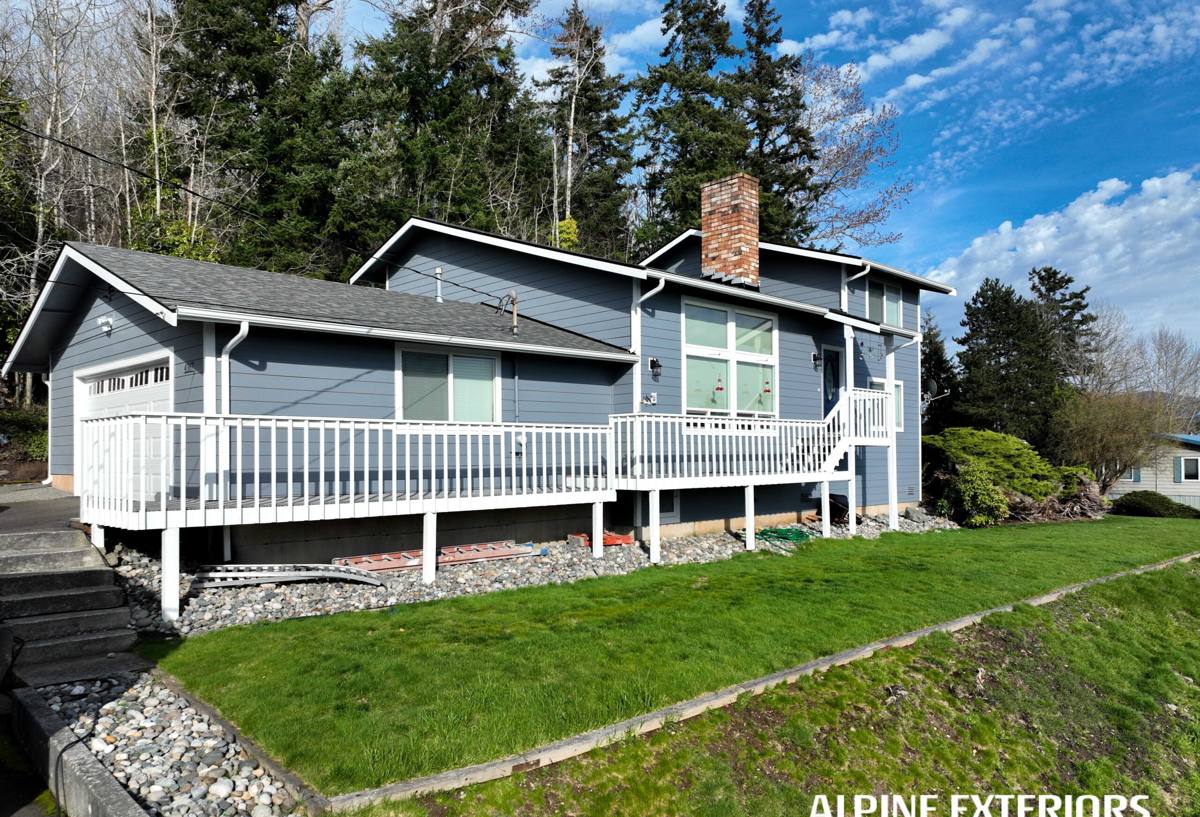
What Storm Damage Actually Looks Like Here
Wind Uplift and Lost Material
Sustained coastal winds and gusts during tropical systems create uplift pressure at roof edges, ridges, and corners first — these are the zones engineered wind ratings are built around, and they're also the zones that fail first when a roof is older or was installed with shortcuts. Missing shingles or tiles, lifted ridge caps, and creased or torn material are the most visible signs, but wind damage often extends well past what's missing. Shingles that stayed in place can still have broken seals, meaning they'll lift again in the next moderate wind event even though the roof looks intact from the ground.
Wind-Driven Rain Intrusion
Straight-down rain is not the real threat to a Nokomis roof — sideways rain is. When wind pushes water horizontally, it can work its way under shingle tabs, around vent boots, and through flashing laps that would never leak in a normal rain event. This is why a roof can pass a casual visual check after a storm and still be actively leaking into the attic. Wind-driven rain damage is one of the most commonly under-diagnosed storm issues we see, because the entry point and the interior stain are rarely in the same spot.
Debris Impact
Mature tree canopy throughout Sarasota County means branches, palm fronds, and airborne debris are a real factor during and after storms. Impact damage can range from an obvious puncture to bruised shingles that don't show a hole but have lost their granule protection and will fail early. Debris damage is also one of the easier categories to underestimate — a small puncture in the underlayment can go unnoticed for months while it slowly lets moisture into the deck.
Why Nokomis Roofs Take a Particular Beating
Coastal proximity, salt air, and direct storm exposure combine here in a way that inland Sarasota County neighborhoods don't experience to the same degree. A few local factors we account for on every storm repair:
- Salt-laden air accelerates corrosion on exposed nails, flashing, and metal roof edges, which weakens the roof's ability to resist wind uplift over time even without a named storm.
- Direct Gulf exposure means wind and rain often arrive at a steeper, more direct angle than they would a few miles inland, stressing flashing details that were adequate for a milder wind load.
- Older housing stock mixed with newer construction means roof age and underlying wind-rating vary block to block — two neighboring homes can have very different vulnerability to the same storm.
- Heavy tree cover in many residential pockets increases both debris risk and the amount of standing organic material (leaves, needles) that traps moisture against a roof surface after rain.
Signs Your Roof Needs a Storm Damage Inspection
Not every sign of storm damage is obvious from the driveway. After any significant wind or rain event, it's worth checking for:
- Missing, cracked, or curling shingles, or lifted/cracked tiles
- Granules collecting in gutters or at downspout discharge points
- Soft spots or sagging when walking the attic (if safely accessible)
- Water stains on ceilings or upper interior walls, even faint ones
- Damaged or missing flashing around chimneys, skylights, and roof-to-wall transitions
- Bent, lifted, or corroded metal drip edge or ridge caps
- Debris (branches, palm fronds) still resting against or embedded in the roof surface
- Visible daylight through the roof deck from inside the attic
If you see any of these after a storm, the roof should be checked before the next rain event, not after the next leak.
What a Correct Storm Damage Repair Involves
Stop the Bleeding First
When a roof has active or likely leak points, the first priority is temporary protection — tarping exposed areas and sealing obvious entry points to prevent interior damage while a full repair is scoped. This step matters as much for insurance purposes as it does for the house itself; unmitigated ongoing damage can complicate a claim.
Diagnose Past the Surface
A proper storm damage assessment doesn't stop at what's visible from the ground or even the roof surface. It includes checking the decking underneath damaged material for moisture or rot, inspecting underlayment condition in the affected area, and confirming flashing and fastening are sound in zones adjacent to the visible damage — because wind and water rarely stay confined to exactly where the damage shows.
Match Materials and Method Correctly
Repairs should use materials compatible with what's already on the roof — mismatched shingle profiles, tile styles, or fastening patterns create weak points and can void what's left of a manufacturer warranty. Where an exact match isn't available because of product age, that trade-off should be explained honestly rather than papered over.
Build Back to Code, Not Just to "Fixed"
Florida Building Code sets wind-resistance and fastening standards based on the wind speed design map for the area, and Sarasota County permitting applies those standards to qualifying roof repair work. A repair that isn't done to current fastening and flashing standards may look fine but won't perform the way it should in the next storm — which defeats the purpose of the repair in the first place.
Repair or Replace? What Actually Determines It
Not every storm-damaged roof needs full replacement, and not every roof can be safely patched. The honest answer depends on a handful of factors, not gut instinct:
| Factor | Repair Is Usually Reasonable | Replacement Should Be Considered |
|---|---|---|
| Extent of damage | Isolated to one section or slope | Spread across multiple slopes or widespread granule loss |
| Roof age | Under roughly half its expected service life | Already near or past typical lifespan for its material |
| Deck condition | Solid, dry decking under the damaged area | Soft, delaminated, or moisture-compromised decking |
| Material availability | Matching shingle/tile still obtainable | Discontinued product with no reasonable match |
| Underlayment condition | Intact and sound elsewhere on the roof | Brittle, failing, or already past its service life |
We'll walk you through where your roof actually falls on this table rather than defaulting to whichever answer is more profitable for us — a well-executed repair is the right call more often than the roofing industry sometimes suggests.
Our Process, Start to Finish
- Inspection and documentation: a full roof and attic assessment with photo documentation of every point of damage, useful for both the repair plan and any insurance claim.
- Emergency mitigation if needed: tarping and sealing to stop active leaks and prevent damage from spreading before repair begins.
- Written scope and estimate: a clear explanation of what's damaged, what needs repair versus what's cosmetic, and what it will cost — no vague line items.
- Repair execution: matched materials, correct flashing and fastening detail, and code-compliant workmanship for the affected area.
- Final walkthrough: we go over the completed work with you before calling the job closed, including attic re-check where relevant.
Working With Your Insurance Claim
Most storm damage repairs in this part of Sarasota County involve an insurance claim, and the difference between a claim that goes smoothly and one that drags on for months often comes down to documentation. We photograph and document damage thoroughly at inspection, before any tarping or repair covers it up, and provide that documentation in a format adjusters can actually use. We're not a public adjuster and won't claim to negotiate your policy for you — but a well-documented, honestly scoped repair estimate makes the adjuster's job easier and your claim stronger.
Why a Crew That Already Works Nokomis Matters
A roofing contractor who works this stretch of the Sarasota County coast regularly understands things a crew unfamiliar with the area has to learn on your roof: how local wind exposure and salt air actually age different roofing materials here, what the county's permitting and inspection process requires for repair work, and how tree cover and coastal humidity affect timelines and material choices. After a major storm, out-of-area "storm chaser" crews often show up canvassing neighborhoods with pressure tactics and no local accountability — a local, licensed crew is one you can actually call back next year if something needs a second look.
Get a Straight Answer on Your Roof
If your Nokomis home has visible storm damage, or you just want a second opinion after a rough weather event, we're glad to take a look and give you an honest read on what's actually needed. Request a free, no-pressure estimate using the form below and we'll walk you through what we find.