 Sarasota Roofing
 Southside Village sits close enough to Sarasota Bay and the Gulf that its homes take on a different kind of weather stress than houses further inland. Mature tree canopy, older housing stock mixed with newer construction, and proximity to open water all mean the siding on these homes has to handle salt-laden air, direct sun for most of the year, and the occasional direct hit from a tropical system. We install fiber cement siding in this neighborhood regularly, and the approach we use here reflects what actually happens to a wall assembly a few blocks from the water — not a generic install written for a subdivision forty miles inland.
What Southside Village Homes Are Actually Up Against
Sarasota County sees hurricane-force wind events, sustained wind-driven rain during summer storm season, and near-constant UV exposure that doesn't let up in the winter the way it does further north. Add proximity to the bay and you get salt air working on fasteners, trim, and paint film year-round. None of these factors is unique to Southside Village, but the combination — older homes, dense tree cover, and a short distance to salt water — puts extra demand on the siding and the details around it.
Wind and Wind-Driven Rain
Fiber cement itself is heavy and rated for high wind zones, but the vulnerability in a storm is almost never the panel — it's the fastening pattern, the house wrap behind it, and the flashing at windows, doors, and penetrations. Wind-driven rain doesn't fall straight down; it gets pushed sideways and upward into laps and seams that a standard install in a calmer climate might not have to fight as hard.
UV and Salt Air
Constant sun bleaches and breaks down paint film over time, and salt air accelerates corrosion on any fastener or trim piece that isn't rated for coastal exposure. On a lot of older Southside Village homes we walk, the siding itself is holding up fine while the caulking, trim, and fasteners around it have failed years ahead of schedule.
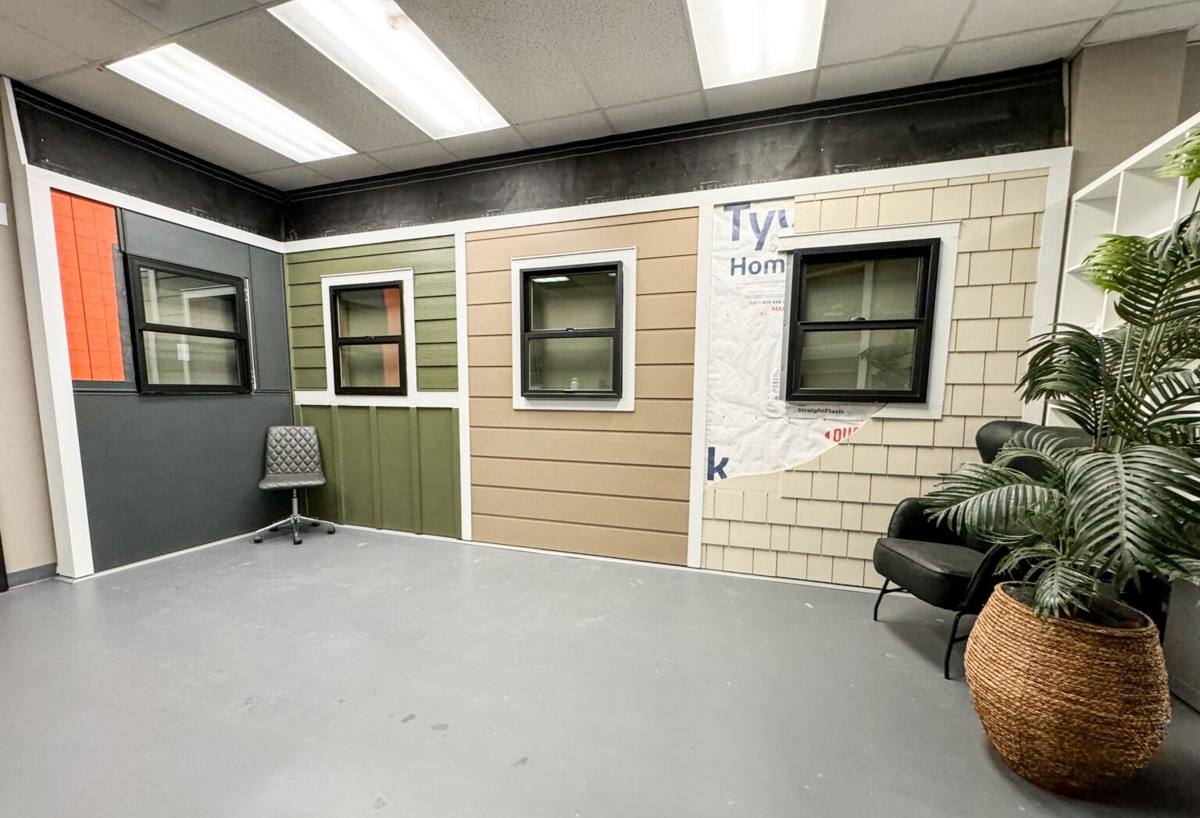
Why We Only Install James Hardie Fiber Cement Here
We don't install vinyl, LP SmartSide, Cemplank, Allura, or primed wood siding — not because those products have no merit, but because we've made a professional decision about what holds up to this specific climate with the least long-term maintenance burden for the homeowner. Vinyl expands and contracts significantly in Florida heat and can warp or crack under wind load. Wood-based products, including primed spruce and cedar, need diligent, ongoing paint maintenance to keep moisture out — miss a cycle in this humidity and rot risk climbs fast. Engineered wood siding products have improved their moisture-resistant treatments over the years, but they're still wood-based at the core, which means the failure mode in a hot, humid, salt-air environment is different from fiber cement's.
James Hardie fiber cement is non-combustible, dimensionally stable in heat and humidity, and the HZ5 product line is specifically engineered for climates like ours — hot, humid, and prone to moisture intrusion. The ColorPlus factory finish is baked on under controlled conditions and carries its own finish warranty, which matters in a market where UV bleaches paint faster than almost anywhere else in the country. That's the whole reason we standardized on one manufacturer instead of offering a menu of siding types: we'd rather install one product correctly than install several products with trade-offs we'd have to explain away later.
What a Correct Fiber Cement Installation Actually Involves
Fiber cement siding is only as good as the assembly behind it. A rushed or under-specified install can leave a home just as vulnerable to wind and moisture as poor-quality siding would, regardless of how good the panels themselves are. On every Southside Village job, our installation includes:
- A weather-resistive barrier installed and lapped correctly behind the siding, with all penetrations sealed
- Correct starter strip installation at the base of every wall to keep the first course true and properly drained
- Fastener spacing and placement that follows manufacturer wind-zone specifications, not a generic pattern
- Corrosion-resistant fasteners appropriate for coastal salt exposure
- Proper clearance between siding and grade, roofing, decks, and other horizontal surfaces to prevent wicking moisture
- Correctly flashed and sealed window and door openings, using materials compatible with fiber cement
- Factory-cut and factory-primed edges wherever possible, with field cuts sealed per manufacturer requirements
Skipping any one of these doesn't necessarily show up as a problem in year one. It shows up in year five or eight, as a soft spot at a window corner, a section that's taken on moisture from below, or trim that's failed while the field siding still looks fine. Southside Village's mix of established homes and newer builds means we see both new-construction shortcuts and decades of accumulated deferred maintenance on the same street.
How We Approach a Southside Village Project
1. Assessment
We start by walking the exterior and identifying not just what the current siding looks like, but what's happening behind it — moisture staining, soft trim, failed caulk joints, and any areas where prior work may have skipped proper flashing. On homes near the bay, we pay particular attention to fastener corrosion and any signs of salt-driven degradation at trim and fascia.
2. Product and Line Selection
For this climate we generally spec Hardie's HZ5 line, engineered for hot and humid regions, in the appropriate panel or lap profile for the home's style. ColorPlus factory-finished color is the standard recommendation, since it removes on-site paint quality as a variable and comes with its own finish warranty.
3. Tear-Off and Prep
Old siding, trim, and any compromised sheathing come off, and we inspect the wall assembly underneath before anything new goes up. This is where problems from a prior install — missing house wrap, rotted sheathing, improper flashing — get caught and corrected rather than covered over.
4. Installation to Manufacturer Spec
Panels go up following James Hardie's published fastening, clearance, and flashing requirements for our wind zone, not a shortcut version. This is also where we install correctly rated fasteners and trim for coastal salt exposure.
5. Final Inspection
Before we consider a job finished, we walk every course, joint, and penetration to confirm caulking, flashing, and fastening all meet spec — because the details we can't see later are the ones that determine whether the siding performs in the next major storm.
Comparing Siding Options for a Southside Village Home
| Factor | Vinyl | Wood / Engineered Wood | James Hardie Fiber Cement |
|---|---|---|---|
| Wind performance | Can warp, crack, or blow off in high wind | Adequate if installed and maintained well | Rated for high wind zones when installed to spec |
| Moisture/humidity resistance | Good, but heat distortion is a concern | Requires diligent maintenance to prevent rot | Engineered for hot, humid climates (HZ5) |
| UV and finish stability | Fades and becomes brittle over time | Paint film breaks down; needs repainting cycles | Factory ColorPlus finish, warrantied against fade |
| Salt air / coastal exposure | Generally stable but can chalk | Accelerated wear on paint and fasteners | Stable material; correct fasteners address corrosion |
| Fire resistance | Combustible | Combustible | Non-combustible |
Signs Southside Village Homeowners Should Watch For
- Caulk that's cracked, shrunk, or pulled away from trim and window edges
- Soft or spongy spots at the base of walls or below windows
- Visible rust streaking from fasteners or trim hardware
- Paint that's chalking, peeling, or noticeably faded compared to when it was installed
- Gaps or warping at panel seams, especially after a storm season
- Any siding sitting in direct contact with soil, mulch, or a roofline with no clearance
Any one of these on its own may just need a repair. Several together usually mean the assembly behind the siding needs a closer look, not just a cosmetic patch.
Why Hiring a Crew Already Familiar With Southside Village Matters
A contractor who works this neighborhood regularly already knows the general age and construction patterns common here, understands the wind and moisture exposure that comes with being this close to the bay, and isn't guessing at wind-zone fastening requirements for the first time on your home. That familiarity shows up in small decisions — how tight to run a caulk joint, which fasteners to spec, how much clearance to leave at grade — that add up to the difference between siding that lasts and siding that needs attention again in a few years.
It also matters for permitting and inspection. Sarasota County has specific wind-load and building code requirements for exterior work, and a crew that pulls permits here regularly moves through that process without the delays that come from unfamiliarity.
What This Costs to Get Right
Fiber cement siding costs more up front than vinyl and is comparable to or less than high-quality engineered wood over the life of the product once you factor in repainting cycles. Exact pricing depends on the size and complexity of the home, the amount of tear-off and repair needed underneath the old siding, trim detail, and color selection — we don't publish blanket per-square-foot numbers because the condition of what's underneath the existing siding varies too much from house to house to make that number honest. What we can say is that the majority of the long-term cost difference between siding options in this climate comes down to maintenance, not the initial install.
If you'd like an honest look at what your Southside Village home needs — not a sales pitch, just a straight assessment of your current siding and what a correct fiber cement installation would involve — we offer free, no-pressure estimates. The form below gets you started.