 Sarasota Roofing
 Why Downtown Sarasota Siding Has to Work Harder
Downtown Sarasota sits close enough to the water that salt air is a daily fact of life, not an occasional nuisance. Add in Gulf Coast humidity, near-constant summer UV exposure, and the wind-driven rain that comes with every strong storm system moving through Sarasota County, and you have a combination that punishes exterior materials faster than most parts of the country. Siding here doesn't just need to look good on install day — it needs to hold its seal, its color, and its shape through years of that cycle.
Homes closer to the bay and the barrier islands tend to see the worst of the salt exposure, but even properties several blocks inland still deal with airborne moisture and wind loads that a siding product manufactured for a milder climate was never engineered to handle. When siding fails in this environment, it's rarely one dramatic event — it's slow: swelling at the seams, chalking paint, soft spots where moisture worked in behind a poorly flashed joint. By the time it's visible, the damage has usually been building for a while.
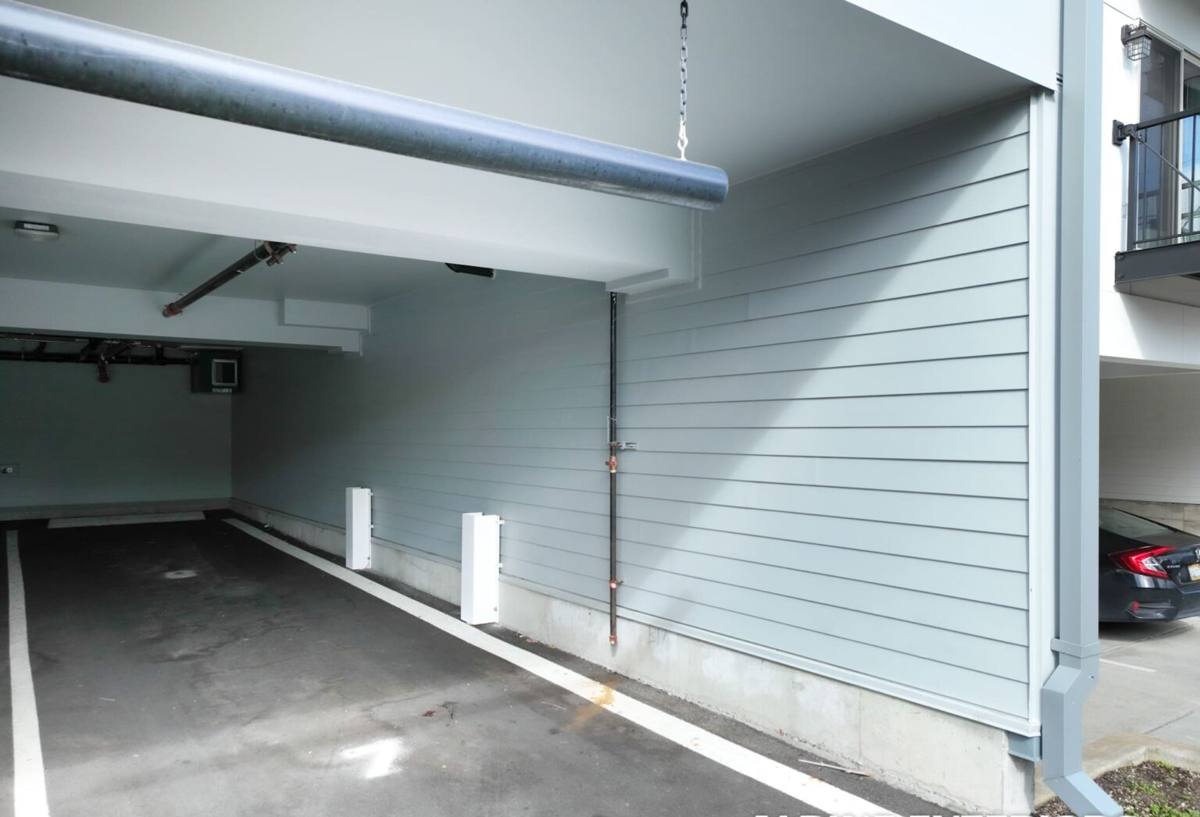
What Downtown Sarasota's Housing Stock Means for Siding Choices
Downtown Sarasota has a real mix of housing — older bungalow and mid-century homes closer to the historic core, along with newer infill construction and renovated properties as the neighborhood has filled in. That mix matters for siding work. Older homes often have irregular wall framing, non-standard trim details, and in some cases layers of old siding or paint that need to be dealt with correctly before new material goes up. Newer builds are usually more straightforward, but proximity to the water still puts them in a higher wind and moisture-exposure category than homes further inland.
In both cases, the right approach starts with an honest look at what's actually on the wall now — not a one-size-fits-all install. A crew that treats every Downtown Sarasota home the same way, regardless of age or condition, is setting up problems that show up two or three years down the road.
Why We Install Only James Hardie Fiber Cement Siding
We made a decision a while back to install James Hardie fiber cement exclusively — not vinyl, not LP SmartSide, not cedar, not primed spruce. That's not a marketing position, it's a practical one based on what actually holds up along the Gulf Coast.
Vinyl siding can warp and distort in intense, sustained heat, and it's a poor match for the wind loads Sarasota County code accounts for. Wood-based products, including engineered wood siding, depend on an unbroken paint or coating layer to keep moisture out — once that layer is compromised by UV, humidity, or a fastener that wasn't sealed correctly, the substrate underneath is vulnerable to swelling and rot. Cedar and primed spruce carry the same moisture sensitivity along with a heavier maintenance schedule than most homeowners want to sign up for.
James Hardie fiber cement is non-combustible, dimensionally stable in heat and humidity, and doesn't rely on paint alone to keep water out — the material itself resists moisture intrusion far better than wood-based alternatives. It's not that other products can't be installed correctly; it's that fiber cement gives Downtown Sarasota homeowners a wider margin for error against a climate that doesn't forgive shortcuts.
The Right Hardie Product Line for This Climate
James Hardie engineers its siding by climate zone, and Sarasota County falls into the HZ5 category — the line built specifically for hot, humid, coastal-influenced conditions. That matters more than most homeowners realize: an HZ5-engineered board is formulated to resist moisture and hold up under sustained UV in a way that a generic or wrong-zone product isn't.
Most Downtown Sarasota projects use one of a few Hardie product types, chosen based on the home's style:
- HardiePlank lap siding — the standard horizontal look, available in several plank widths and surface textures, fits most bungalow and mid-century homes in the area
- HardiePanel vertical siding — often used for accent sections, gables, or a more modern look on newer builds
- Board and batten profiles — a common choice for coastal and Florida vernacular styling
- HardieTrim — used around windows, doors, and corners so the whole exterior system, not just the field siding, resists moisture the same way
All of it comes through with ColorPlus Technology as an option — a factory-applied, baked-on finish that holds color and resists fading far longer than field-applied paint, which matters enormously under Sarasota's UV load.
What a Correct Installation Actually Involves
Fiber cement siding is only as good as the installation behind it. A rushed or generic install can undercut even the best material, and in a climate this demanding, the details are what separate a job that lasts decades from one that fails early.
A correct James Hardie install on a Downtown Sarasota home includes:
- A proper water-resistive barrier behind the siding, installed and lapped correctly — not just whatever was already on the wall
- Flashing at every window, door, and roofline intersection, so wind-driven rain has nowhere to travel behind the siding
- Correct fastener type, spacing, and depth per Hardie's published specifications — over- or under-driven nails are one of the most common causes of early failure
- Proper clearance between the bottom edge of the siding and grade, roofing, decks, or patios, so standing moisture and splash-back don't sit against the board
- Caulking only where Hardie's install guide calls for it, with a product rated for the exposure — not caulking every seam as a blanket habit, which can trap moisture instead of shedding it
- Field-cut edges sealed appropriately so raw cut ends aren't left exposed to weather
None of this is exotic — it's discipline. But it's exactly the kind of discipline that erodes when a crew is unfamiliar with fiber cement or is used to installing lighter, more forgiving materials.
How Our Process Works
We start with an on-site walk of the home, not a phone estimate. That means looking at the current siding condition, checking for moisture damage or rot in the sheathing underneath, noting trim and window details, and measuring for material takeoff. For older Downtown Sarasota homes especially, this step often reveals issues — soft wood, old flashing that needs replacing, non-standard wall dimensions — that need to be priced and planned for up front rather than discovered mid-project.
From there we handle the permitting through Sarasota County or the City of Sarasota as applicable, confirm wind-load and fastening requirements for the property's specific exposure category, and schedule the work around weather. Florida's building code takes wind resistance seriously, and installation has to match the engineering behind the product — that's not optional paperwork, it's what keeps the siding attached in a real storm.
Once material is on site, we prep the wall (removing old siding, repairing or replacing damaged sheathing, installing the water-resistive barrier), then install the Hardie boards, trim, and flashing to spec. We walk the finished job with the homeowner before calling it done, and we stand behind the installation — not just the manufacturer's product warranty.
Cost Factors Worth Understanding Before You Commit
Every Downtown Sarasota home is different, and a real number only comes from an on-site estimate. But these are the factors that most affect what a project costs:
| Factor | Why It Matters |
|---|---|
| Current siding removal | Tear-off and disposal of existing material adds labor, especially with multiple old layers |
| Underlying sheathing condition | Rot or water damage found during tear-off has to be repaired before new siding goes on |
| Home shape and trim detail | More corners, gables, and window/door openings mean more cutting, flashing, and trim work |
| Siding profile chosen | Lap, panel, and board-and-batten have different material and labor requirements |
| ColorPlus vs. field-painted | Factory-finished boards cost more up front but remove a recurring repainting expense |
| Access and site conditions | Tight downtown lots, fencing, or landscaping can add setup time and labor |
Signs Downtown Sarasota Homeowners Shouldn't Ignore
Because siding failure here tends to be gradual, it helps to know what to look for before a small problem becomes an expensive one:
- Paint that's chalking, peeling, or fading unevenly, especially on sun-exposed walls
- Soft or spongy spots when you press on the siding, particularly near the bottom courses
- Visible gaps, warping, or buckling at seams and corners
- Staining or discoloration that tracks with window and door flashing lines
- A musty smell or visible mold near interior walls that back up to exterior siding
- Siding that's noticeably older than the roof and hasn't been inspected in several years
Any one of these is worth a professional look before it turns into sheathing repair or interior damage.
Why Hiring a Crew That Already Works Downtown Sarasota Matters
Fiber cement installation isn't uniform across Florida, and it definitely isn't uniform across the country. A crew that knows Downtown Sarasota's wind exposure, the local permitting process, and the particular way salt air and humidity attack an exterior wall in this neighborhood is going to make different — and better — decisions on the job than a crew installing here for the first time.
That familiarity shows up in small ways that add up: knowing which flashing details actually hold up a block from the water versus five miles inland, understanding how Sarasota County's wind provisions apply to a specific lot, and having a maintenance conversation with homeowners that's grounded in what this climate actually does to a home over time — not a generic checklist. When you're trusting a crew with the single largest weather barrier your home has, that local track record is worth something.
If you're considering new siding for a Downtown Sarasota home, we'd rather walk the property with you and give you a straight answer than talk in generalities. Reach out for a free, no-pressure estimate — we'll look at what you actually have, tell you what we'd do differently, and let you decide from there.