 Sarasota Roofing
 Siding Repair Built for Palmer Ranch's Climate
Palmer Ranch homes sit in one of the more heavily landscaped, wind-exposed parts of Sarasota County, and the siding on those homes takes a beating that homeowners further inland rarely have to think about. Between hurricane-force wind events, wind-driven rain that gets pushed sideways into wall assemblies, near-constant UV exposure, and salt air drifting in off the Gulf, siding here ages faster and fails in more specific ways than siding in a milder climate. A repair that ignores any one of those factors tends to fail again within a season or two.
We repair siding for homes throughout Palmer Ranch and the surrounding Sarasota area, and we install exclusively James Hardie fiber cement siding — never vinyl, never LP SmartSide, never engineered wood. That's not a marketing preference. It's a decision built around what actually holds up to this specific climate, and it shapes how we approach every repair we do here, not just full replacements.
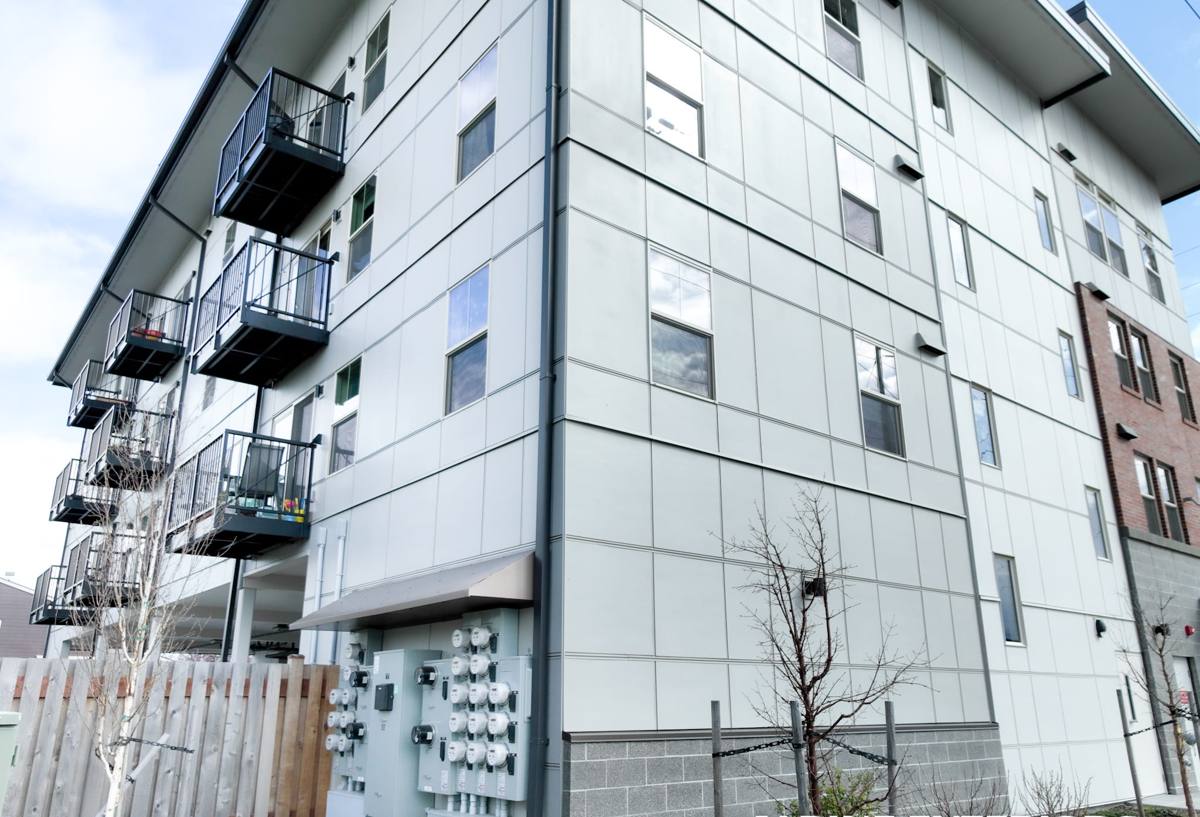
What Sarasota's Climate Does to Siding
Wind and Wind-Driven Rain
Sarasota County sees tropical storm and hurricane-force wind events on a recurring basis, and siding is one of the first exterior systems to show damage. Wind doesn't just tear panels loose — it drives rain sideways and forces water behind siding through seams, fastener points, and butt joints that would stay dry in a normal rainstorm. Once water gets behind a wall covering, the damage often isn't visible from the outside until it's already significant.
UV Exposure
Florida gets intense, close-to-year-round sun, and UV breaks down unprotected or poorly finished siding materials from the outside in. Paint chalks and fades, caulk joints dry out and crack, and some materials become brittle over time. A factory-applied, UV-stable finish holds up dramatically better here than a field-applied paint job that has to be redone every few years.
Salt Air
Palmer Ranch isn't directly on the coast, but Sarasota's proximity to the Gulf means salt-laden air still reaches inland neighborhoods, especially during onshore wind events. Salt accelerates corrosion in fasteners, trim accessories, and any metal components tied into the siding system. Repairs that reuse corroded fasteners or skip corrosion-resistant hardware don't last as long as they should.
Heat and Humidity
Consistent heat and humidity keep moisture in play even outside of storm season. Siding materials that absorb water — or that trap moisture behind them due to poor installation — stay damp longer here than almost anywhere else in the country, which speeds up rot, swelling, and paint failure.
Common Siding Problems We See in Palmer Ranch
- Wind-lifted or detached panels — usually from fastening that wasn't rated for local wind loads, or from a storm event that exceeded what the original installation was built to handle.
- Water intrusion at seams and joints — wind-driven rain finds any gap in flashing, caulking, or panel overlap and pushes moisture behind the siding.
- Cracked or brittle panels — common on materials that weren't engineered for sustained UV and humidity exposure.
- Failed caulk and trim joints — UV and heat cycling dry out sealants faster here than in cooler climates.
- Corroded fasteners and trim hardware — accelerated by salt air, especially on the sides of a home facing prevailing wind.
- Soft or swollen sections — a sign of moisture trapped behind the siding, often at the bottom courses near grade or around window and door openings.
What a Correct Siding Repair Actually Involves
A siding repair that's done right in this climate is never just about matching the color and screwing a new piece into place. It starts with figuring out why the original section failed, because if the underlying cause isn't addressed, the repair fails the same way again.
Diagnose Before Replacing
We pull back damaged sections to check the condition of the water-resistive barrier, flashing, and sheathing underneath before deciding what actually needs to be replaced. Sometimes the visible damage is the whole problem; sometimes it's a symptom of a leak that's been running behind the wall for a while.
Match the Product Line
James Hardie siding is manufactured in specific plank profiles, exposures, and textures, and a proper repair matches the existing product line rather than forcing in a close-enough substitute that will look and perform differently over time.
Rebuild the Water Management, Not Just the Surface
Flashing, house wrap, and drainage details behind the siding matter as much as the visible panel. In a climate with this much wind-driven rain, a repair that reinstalls new siding over a compromised water barrier is a repair that's going to be redone.
Fasten for Local Wind Loads
Fastener type, spacing, and placement need to meet the wind resistance requirements for this part of Florida — not a generic national minimum. This is one of the most common shortcuts in siding repairs done by crews unfamiliar with coastal wind zones.
Refinish and Seal Correctly
James Hardie's ColorPlus factory finish is engineered for UV stability, but repaired sections and cut edges still need to be treated with the correct touch-up products and sealants to maintain that protection at the seams.
Repair or Replace: How We Make the Call
| Situation | Usually Repairable | Usually Needs Replacement |
|---|---|---|
| Isolated wind or impact damage to a few panels | Yes | No |
| Widespread cracking or brittleness across multiple wall planes | No | Yes |
| Localized water intrusion at one window or corner | Yes | No |
| Soft sheathing or rot found behind multiple sections | No | Yes |
| Faded or chalking finish with sound panels underneath | Often (refinish/touch-up) | No |
| Siding is an older or discontinued profile with no close match | No | Yes |
Most of the time, a section-by-section repair is the right call and the more cost-effective one. But if damage is widespread, if the water-resistive barrier is compromised in multiple places, or if the existing siding is an outdated profile we can't reasonably match, we'll say so directly rather than patching something that's going to need redoing within a year or two.
Why We Only Install James Hardie Fiber Cement
We don't install vinyl, LP SmartSide, or other engineered wood products, and that standard applies to repairs the same way it applies to full siding jobs. Vinyl softens, warps, and can pull away from fasteners under sustained high heat and wind loads. Engineered wood products depend heavily on maintaining an intact factory seal at every cut edge and joint — something that's difficult to guarantee in field repair conditions, and even harder to keep intact through repeated hurricane seasons.
James Hardie fiber cement is non-combustible, dimensionally stable across Florida's heat and humidity swings, and backed by a factory-applied ColorPlus finish engineered to resist UV fade far longer than field-applied paint. Hardie's HZ5 product line is specifically formulated for high-humidity, high-moisture climates like ours, and the material holds up to salt air exposure better than wood-based alternatives. When we repair a section of Hardie siding, we're restoring a system that was already built for this climate — not patching a material that was fighting it from day one.
What to Expect From Our Repair Process
- On-site inspection to identify the actual cause of the damage, not just the visible symptom
- Assessment of the water-resistive barrier and flashing behind the affected area
- A clear explanation of whether the situation calls for repair or replacement, and why
- Matching James Hardie panels, trim, and factory finish to the existing siding
- Fastening and flashing work done to hold up against Sarasota County wind conditions
- A written scope before any work begins, with no surprise add-ons mid-job
Why Local Experience in Palmer Ranch Matters
Siding repair isn't a generic skill that transfers evenly from one climate to another. A crew that mostly works in drier, milder regions doesn't build the same instincts around wind-driven rain, salt air corrosion, and UV-driven material fatigue that a crew working Sarasota County day in and day out develops. Knowing which wall orientations in Palmer Ranch take the worst of the prevailing wind, how quickly caulk joints degrade in this heat, and what a real hurricane-damage repair looks like versus a cosmetic one — that comes from doing this work locally and repeatedly, not from a manual.
It also matters for accountability. A local crew is here after the job is done, through the next storm season, if a question comes up about how a repair is holding. That kind of follow-through is harder to get from a contractor working out of a different market who happened to bid a job in Sarasota once.
Maintaining Your Siding Between Repairs
A few habits go a long way toward reducing how often Palmer Ranch homeowners need siding repair in the first place:
- Walk the exterior after any significant wind event and look for lifted panels, new cracks, or gaps at seams
- Keep an eye on caulk joints around windows, doors, and trim — cracked or missing caulk is an early warning sign, not a cosmetic issue
- Rinse siding periodically to reduce salt and grime buildup, especially on wind-facing walls
- Address soft or discolored spots quickly rather than waiting — moisture problems compound the longer they sit
- Have siding inspected after major storms even if no damage is visible from the ground
Get a Straight Answer on Your Siding
If your Palmer Ranch home has siding damage from wind, water, or general wear, we're glad to take a look and give you a straightforward assessment of what's actually going on and what it will take to fix it right. Reach out for a free, no-pressure estimate using the form below.