 Sarasota Roofing
 Why Laurel Park's Climate Is Hard on Siding
Laurel Park sits close enough to Sarasota Bay and the Gulf that homes there deal with the full range of what Southwest Florida throws at an exterior wall. Salt-laden air moves inland on the breeze and slowly attacks anything not built to resist it. Intense, near year-round UV bakes painted and unpainted surfaces alike, breaking down pigments and softening lesser materials over time. Summer storms bring wind-driven rain that hits siding sideways, not straight down, which means water finds every gap, seam, and fastener hole that wasn't detailed correctly. And when a named storm or a strong squall line rolls through, hurricane-force gusts test whether the siding system is actually fastened the way the manufacturer specifies, or just the way it's fastest to install.
None of that is unique to Laurel Park specifically, but it's the reality for every home in Sarasota County, and it's worse for houses close to downtown and the water where salt exposure and storm-driven rain are more constant. Older homes in established neighborhoods like Laurel Park often have siding, trim, and moisture barriers that were never designed for this level of exposure, which is why so many replacement calls we get from the area start with the same complaint: paint that won't hold, boards that feel soft at the bottom edge, or seams that have opened up after a few storm seasons.
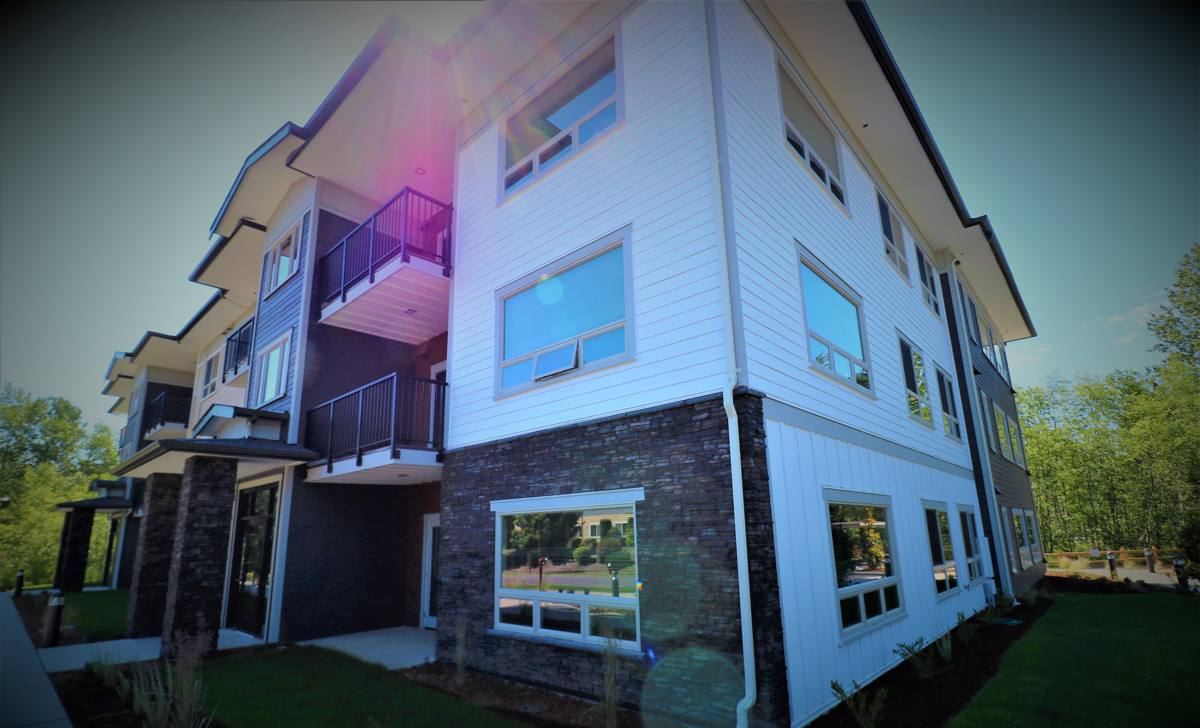
Signs a Laurel Park Home Needs Siding Replacement
Siding failure is rarely sudden. It shows up first as small, easy-to-dismiss issues that get worse every hurricane season they're left alone. Homeowners in this part of Sarasota should watch for:
- Paint that's peeling, bubbling, or needing a repaint far more often than it should
- Soft, spongy, or crumbling spots, especially near the bottom of walls and around window and door trim
- Visible warping, cupping, or boards that no longer sit flat against the wall
- Gaps opening at seams, corners, or where siding meets trim
- Streaking, staining, or a chalky residue that won't wash off
- Rising energy bills that suggest the wall assembly behind the siding is no longer doing its job
- Visible fastener corrosion or rust bleed at nail and screw heads
Any one of these can often be patched. Several of them together, especially on a home that's fifteen-plus years past its last siding work, usually means it's time to talk about full replacement rather than another round of repairs.
What a Correct Siding Replacement Actually Involves
Tear-Off and Inspection
Replacement starts with removing the old siding down to the sheathing, not covering over it. That's the only way to actually see what's happening underneath — soft sheathing, hidden water damage, or framing that needs attention before new siding goes on. Skipping this step and installing new siding over a compromised wall just hides the problem for a few more years.
Moisture Management
With wind-driven rain a near-certainty on this coast, the weather-resistive barrier and flashing details matter as much as the siding itself. Proper installation means a correctly lapped house wrap, flashing at every window, door, and penetration, and drainage planes that let any water that does get behind the siding find its way back out instead of sitting against the wall.
Fastening to Spec
Fiber cement siding has manufacturer-specified nailing patterns, fastener types, and edge clearances for a reason — they're what the wind-load engineering is based on. Fastening it "close enough" instead of to spec is one of the most common ways a siding job fails early, especially once a real windstorm tests it.
Finish and Trim Details
Caulking, trim, and paint or factory finish all need to be handled in a way that seals the assembly rather than just dressing it up. In a climate this humid and sun-exposed, finish quality is a big part of how long the job actually lasts.
Why We Only Install James Hardie Fiber Cement
We made a deliberate decision not to install vinyl, LP SmartSide, Cemplank, Allura, or primed wood siding, even though all of them have a place in the broader market. For Sarasota's climate specifically, we standardized on James Hardie fiber cement because it's engineered for exactly the conditions Laurel Park homes face:
Non-Combustible
Fiber cement doesn't burn, feed a fire, or contribute fuel the way wood-based or foam-backed products can. That's a meaningful difference in wildfire-adjacent conditions and simply a safer material to have on a home long-term.
Built for Heat, Humidity, and Salt Air
James Hardie's HZ5 product line is specifically formulated for high-humidity, storm-prone climates like Florida's — different from the formulation sold in drier northern markets. That distinction matters more here than almost anywhere else in the country.
ColorPlus Factory Finish
Rather than field-painting siding after installation, ColorPlus finish is baked on at the factory under controlled conditions, which resists UV fading and chipping far better than a job-site paint job holds up under Sarasota sun.
A Warranty Backed by the Manufacturer
Hardie's transferable limited warranty on the substrate, paired with the ColorPlus finish warranty, gives homeowners real backing — not just a contractor's word — that the product is expected to perform for decades, not years.
How Hardie Compares to Other Siding Options
| Factor | James Hardie Fiber Cement | Vinyl | Wood / LP SmartSide |
|---|---|---|---|
| Combustibility | Non-combustible | Melts/deforms in heat | Combustible |
| Salt air resistance | Engineered for coastal humidity (HZ5) | Can become brittle and discolor over time | Prone to moisture absorption and rot at edges |
| UV/color stability | Factory ColorPlus finish resists fading | Color molded in but can fade and chalk | Field-applied paint needs frequent recoating |
| Wind performance | Rated for high wind zones when installed to spec | Can crack or blow off in high gusts | Performance depends heavily on installation quality |
| Typical lifespan when installed correctly | Decades, with strong transferable warranty | Shorter, more prone to early replacement in this climate | Shorter without diligent maintenance |
This isn't to say every other product is a bad choice everywhere — it's why, for a Sarasota County home exposed to this specific mix of sun, salt, wind, and humidity, we don't put anything on the wall except what we believe holds up best.
Our Process for Laurel Park Siding Projects
1. On-Site Assessment
We walk the home, check the current siding, sheathing, and trim condition, and talk through what's driving the need for replacement — age, storm damage, or ongoing maintenance headaches.
2. Clear Scope and Product Plan
We spec the right Hardie plank profile, exposure, and ColorPlus color for the home, and lay out the full scope in writing before any work starts — no surprise change orders mid-project.
3. Tear-Off and Wall Prep
Old siding comes off, the sheathing and framing get inspected and repaired as needed, and the weather barrier goes on correctly before a single piece of new siding is hung.
4. Installation to Manufacturer Spec
Fastening patterns, flashing, and clearances follow James Hardie's published installation requirements, not shortcuts — because that's what the wind rating and warranty depend on.
5. Final Walkthrough
We go through the finished job with the homeowner, address any punch-list items, and make sure everything meets the standard we'd want on our own home.
What Drives Siding Replacement Cost
Every home is different, so we won't quote a number without seeing the property, but the main cost factors for a Laurel Park siding replacement are generally:
- Total square footage of exterior wall area and the home's overall complexity (corners, gables, dormers)
- Condition of the existing sheathing and framing once old siding is removed
- Amount of trim, fascia, and detail work involved
- Siding profile and exposure width selected
- Access — two-story sections, tight side yards, or landscaping that complicates staging
- Any additional repairs uncovered during tear-off
A free on-site estimate is the only reliable way to get real numbers, since the condition behind the old siding often matters more to the final cost than the square footage alone.
Why a Crew That Already Works Laurel Park Matters
Older, established neighborhoods close to downtown Sarasota tend to have narrower lots, mature landscaping, and homes built to a different era's standards than new construction further out. A crew that's used to working in areas like this knows how to stage material and protect a smaller yard, how to work around established trees and tight setbacks, and what to expect when tear-off exposes older sheathing or framing. That familiarity translates into fewer surprises, less disruption to the property, and a job that respects the character of the neighborhood while bringing the wall assembly up to a modern, climate-appropriate standard.
It also matters for permitting and code compliance — Sarasota County's requirements for wind resistance and exterior work are non-negotiable, and a crew that pulls permits and installs to spec regularly in this area isn't learning the process on your home.
If your Laurel Park home's siding is showing its age or you're planning ahead of the next storm season, we're happy to take a look and give you a straight, no-pressure assessment. Use the form below to request a free estimate.