 Sarasota Roofing
 Southside Village Siding Takes a Different Kind of Beating
Southside Village sits close enough to the water that its homes deal with a combination of stressors most inland Florida neighborhoods don't see at the same intensity. Salt-laden air moves in off the Gulf and Sarasota Bay and settles on exterior surfaces day after day. Add hurricane-season wind loads, wind-driven rain that gets pushed sideways into seams and laps, and some of the most intense year-round UV exposure in the continental United States, and you have an environment that ages siding faster than almost anywhere else in the country.
None of that means every home in the neighborhood needs a full re-side. Most of the calls we get from this part of Sarasota are for repair — a damaged section after a storm, a soft spot that's been quietly growing for a year or two, or fading and cracking that's turned into an actual moisture problem. The trick is knowing which is which, and fixing the right thing the right way instead of just patching what's visible.
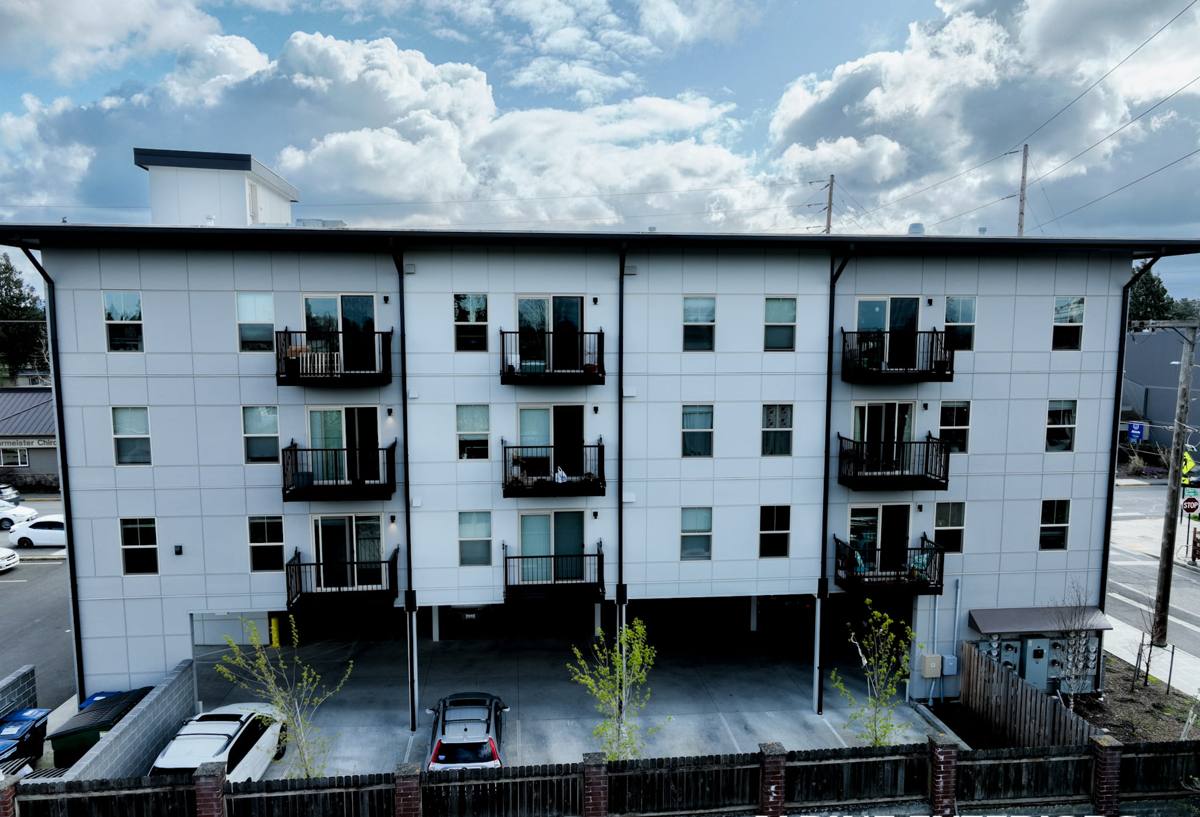
What Southside Village Homes Actually Need From a Siding Repair
A good repair in this part of Sarasota County has to do more than close up a hole. It has to hold up to the next tropical storm, resist the next few years of UV without chalking or fading unevenly against the surrounding wall, and shed wind-driven rain instead of trapping it behind the cladding. That last part is where a lot of repairs go wrong — a patch that looks fine from the curb but wasn't flashed or sealed correctly will let water back in within a season or two, and by then it's doing damage you can't see.
Homes in older, established neighborhoods like this one also tend to have a mix of siding generations — original material from whenever the house was built, plus whatever was patched, painted over, or partially replaced along the way. That history matters. A repair crew needs to understand what's actually on the wall before touching it, not just match color and move on.
Common Damage Patterns We See Locally
- Cracked or split boards near corners and window trim, usually from wind flex or impact during storms
- Soft, spongy sections low on the wall where wood-based or improperly sealed siding has absorbed moisture over time
- Fading or chalking that's uneven across the wall, often a sign of sun exposure combined with an aging factory finish
- Failed caulking and open seams at butt joints, trim, and penetrations, letting wind-driven rain track behind the siding
- Bubbling or peeling paint on wood or engineered wood products, a common early sign of trapped moisture underneath
Diagnosing the Cause Before Repairing the Symptom
Every repair we do starts the same way: figuring out why the damage happened, not just what it looks like. A cracked board could be simple storm impact, or it could be a symptom of a house that's had years of moisture intrusion softening the material from behind. Those two situations get very different repairs. One is a straightforward panel swap. The other means pulling more siding than the homeowner expected, checking the water-resistive barrier underneath, and making sure the underlying structure is sound before anything new goes back up.
This is where a lot of repair work falls short industry-wide — patching the visible damage without checking what's behind it. In a coastal climate like Sarasota's, where wind-driven rain finds every gap and humidity keeps things damp longer than they should be, skipping that step means the same repair comes back within a year or two.
Matching Materials and Finish
Southside Village has enough of a mix of home ages and siding types that a "close enough" color match is often not close enough — especially on a wall that gets direct afternoon sun. We work in James Hardie fiber cement exclusively, which means when we're repairing or extending an existing Hardie installation, we're matching factory ColorPlus finishes and profiles that were engineered to be consistent, rather than trying to hand-match a discontinued paint color. When the existing siding on a home is a different material entirely, we'll walk through honestly what a true match looks like versus what a full section or full wall replacement in Hardie would look like instead — sometimes replacement is the more honest answer than a patch that will always look slightly off.
Repair vs. Replacement: How the Material on Your Wall Changes the Math
Not all siding repairs cost or perform the same, and the material already on your house is the biggest variable. Here's how the common options homeowners in this area are working with typically compare when damage shows up.
| Material | Repair Feasibility | Color/Texture Match | Typical Durability After Repair |
|---|---|---|---|
| James Hardie fiber cement | Good — factory-finished panels and boards can be swapped section by section | Strong when matched to the correct ColorPlus line and profile | Long-term, non-combustible, engineered for Gulf Coast humidity and wind exposure |
| Vinyl siding | Limited — panels crack and become brittle with UV exposure over time, and older profiles are often discontinued | Fades unevenly, making exact matches difficult after a few years | Moderate; heat and UV shorten usable lifespan in this climate |
| Wood or engineered wood | Possible but labor-intensive — often requires addressing moisture damage beneath the surface | Requires repainting to blend, which weathers differently than the rest of the wall | Shorter; more vulnerable to the moisture and humidity typical of Sarasota County |
| Stucco | Repairable but requires proper curing time and crack-isolation technique | Can be textured to match, though color can be difficult to blend seamlessly | Long-term if repaired correctly; prone to hairline cracking from building movement |
This is also the honest reason our company only installs James Hardie fiber cement: it's the product we've found holds up most consistently to the specific combination of salt air, UV, and wind-driven rain this part of Florida deals with, and it's the one we can repair years later with a genuine match instead of a compromise.
How Our Siding Repair Process Works
We keep the process straightforward because homeowners deserve to know exactly what's happening to their house and why.
1. On-Site Inspection
We look at the damaged area and the surrounding siding, not just the spot you called about. Storm and moisture damage often extends further than what's visible from the ground.
2. Honest Diagnosis
We'll tell you plainly whether it's a contained repair, a larger section replacement, or a case where full re-siding is the more cost-effective and durable path. If a small patch would leave you with a mismatched wall or a repeat problem in a year, we'll say so.
3. Proper Prep
Damaged material comes off, the substrate and water-resistive barrier get checked, and any moisture issues get addressed before new siding goes up — not covered over.
4. Correct Installation
New material is installed to manufacturer spec, with attention to fastening, clearances, and flashing details that matter most in high-wind, high-moisture climates.
5. Sealing and Finish
Joints, trim, and penetrations get properly sealed so wind-driven rain has nowhere to get behind the wall again.
When a Repair Isn't the Right Answer
Part of doing this job honestly is telling homeowners when repair isn't the better move. A few signs that point toward replacement rather than another round of patching:
- Damage or soft spots showing up in multiple, unrelated areas of the house rather than one isolated spot
- Siding that's original to an older home and has already been patched more than once
- Visible warping, buckling, or separation along multiple wall sections
- Moisture damage found behind the siding during a repair, suggesting a broader intrusion issue
- A color or product mismatch that would leave the wall looking patched no matter how it's repaired
In those cases, we'll talk through what a full or partial re-side in James Hardie would look like, including where it makes sense to phase the work rather than doing the whole house at once.
Why It Matters That We Already Work in Southside Village
A neighborhood like this one has its own rhythm — home ages, typical siding conditions, HOA expectations around exterior appearance, and the practical realities of working on established residential streets. A crew that's already familiar with the area moves faster and asks fewer questions that waste your time, because they've already seen the common issues local homes run into. They also understand the specific weather pattern Sarasota deals with each year: the buildup to hurricane season, the intensity of summer UV, and the salt exposure that comes with being this close to the Gulf and the bay. That local familiarity shows up in better diagnosis, not just faster scheduling.
Keeping Repaired Siding in Good Shape
Once a repair is done right, a little ongoing attention keeps it that way — especially in a climate that doesn't give siding much of a break.
- Rinse siding periodically to clear salt residue, especially after windy stretches
- Check caulking at trim, corners, and penetrations once a year and before hurricane season
- Trim back landscaping that holds moisture against the wall
- Walk the exterior after major storms and note any new cracks, gaps, or soft spots early
- Address small issues right away — in this climate, small gaps become bigger moisture problems quickly
If you're seeing damage, fading, or soft spots on your Southside Village home's siding, we're glad to take a look and give you a straight answer about what it needs — repair, partial replacement, or something more. Reach out for a free, no-pressure estimate using the form below.