 Sarasota Roofing
 Asphalt Shingle Roofing Built for a Barrier Island
Longboat Key is a different roofing environment than a mainland Sarasota neighborhood a few miles inland. Homes here sit exposed on a narrow barrier island between the Gulf of Mexico and Sarasota Bay, which means every roof takes a steady combination of salt-laden air, intense year-round UV exposure, wind-driven rain, and the real possibility of hurricane-force gusts during storm season. Asphalt shingle roofing can perform very well on Longboat Key, but only when it's specified and installed with that exposure in mind. A shingle roof built to a generic, inland standard will show its age here faster — chalking, curling, and losing granules years before it should.
This page is specifically about asphalt shingle roofing for Longboat Key homes: what the local climate demands, what a correct installation actually involves, and how our process is built around the realities of working on this stretch of coast.
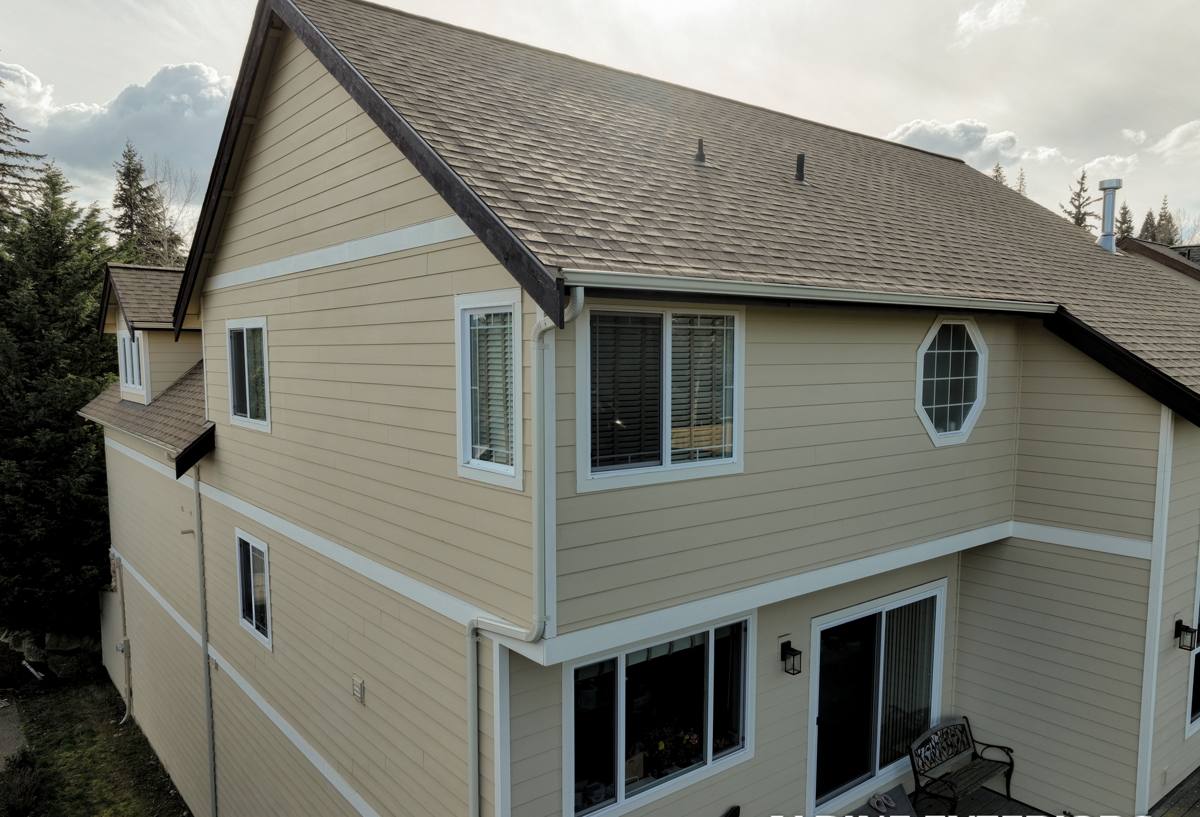
What Longboat Key's Climate Does to a Shingle Roof
Salt Air and Corrosion
Airborne salt from the Gulf and the bay accelerates corrosion on anything metal on your roof — nails, flashing, drip edge, and vent stacks. On a barrier island, standard fasteners and flashing corrode faster than they would even a few miles inland. Over time, corroded fasteners lose holding power, and failing flashing is one of the most common sources of roof leaks, regardless of how good the shingles themselves are.
UV and Heat
Florida sun is hard on asphalt shingles anywhere, but the reflected glare off open water and light-colored coastal surfaces adds to the UV and heat load on a Longboat Key roof. UV breaks down the asphalt binder in shingles over time, drying it out and making the shingles brittle. Heat cycling — hot days, cooler nights, frequent afternoon storms — adds constant expansion and contraction stress to the shingle mat and the seal strips that hold shingles together against wind.
Wind-Driven Rain and Hurricane Exposure
Because Longboat Key has open water exposure on both sides, wind speeds during tropical systems and even strong seasonal storms can run higher here than at inland Sarasota County addresses. Wind-driven rain doesn't just fall on a roof, it drives sideways and works its way under shingle edges, around penetrations, and into any gap in the underlayment or flashing. A roof system here has to resist uplift at the edges and corners — the areas where wind pressure concentrates first — not just shed water on a calm day.
Humidity and Roof Ventilation
Gulf Coast humidity is high nearly year-round. Without proper attic ventilation, heat and moisture get trapped under the roof deck, which shortens shingle life from underneath and can lead to deck deterioration that isn't visible from the ground.
What a Correct Asphalt Shingle Roof Needs Here
A shingle roof that's actually built for Longboat Key conditions is a system, not just a layer of shingles nailed to plywood. The components that matter most in this environment:
- High-wind-rated shingles with a sealed adhesive strip designed to resist uplift, matched to enhanced nailing patterns rather than the minimum nail count.
- A fully sealed underlayment system (self-adhering membrane at eaves, valleys, and penetrations, synthetic underlayment across the field) so the roof deck stays dry even if wind drives rain under a shingle edge.
- Corrosion-resistant metal for flashing, drip edge, and fasteners — chosen for salt-air exposure rather than standard inland-grade materials.
- Balanced intake and exhaust ventilation to move heat and moisture out of the attic, protecting both the shingles and the roof deck from the inside out.
- Proper edge and hip/ridge detailing, since wind failures on shingle roofs overwhelmingly start at edges, corners, and ridges — not in the open field of the roof.
Shingle Options: Matching the Product to the Exposure
Not every asphalt shingle product is a good fit for open, wind-exposed barrier island roofs. Here's how the common categories compare for Longboat Key use:
| Shingle Type | Wind Performance | Typical Lifespan Here | Best Fit |
|---|---|---|---|
| Standard 3-tab | Lower wind resistance, lighter construction | Shorter, given UV and wind exposure | Budget projects on more sheltered roof sections |
| Architectural / laminate | Good wind resistance when rated and installed for high-wind use | Longer than 3-tab under the same conditions | Most Longboat Key homes — the standard recommendation |
| Premium high-wind / impact-rated | Highest available wind and impact resistance | Longest expected service life | Fully exposed Gulf-front or bay-front roofs, or homeowners prioritizing storm resilience |
We don't push every homeowner toward the most expensive option. We do rule out products that aren't rated appropriately for open coastal wind exposure — installing an under-rated shingle on an exposed Longboat Key roof just moves the failure point up by several years, and that's not a trade-off we're willing to make our name on.
Our Asphalt Shingle Roofing Process
1. On-Site Assessment
We inspect the existing roof, deck condition, ventilation setup, and exposure — a Gulf-front roof and a bay-side roof with more tree cover don't need identical specs, even a few streets apart.
2. Tear-Off and Deck Inspection
We remove old roofing down to the deck rather than layering over it. This is the only way to actually see the condition of the plywood or OSB underneath, catch soft spots or old leak damage, and confirm the deck is properly fastened before anything new goes on.
3. Deck Repair and Sealing
Any damaged decking is replaced. We seal the deck with a self-adhering or fully sealed underlayment system so the roof has a secondary water barrier even if the shingle layer is ever compromised in a storm.
4. Flashing and Detail Work
New flashing at valleys, walls, chimneys, and penetrations, using corrosion-resistant materials suited to salt air. This is where most leaks originate on older roofs, and it's the step most likely to get rushed by crews unfamiliar with coastal work.
5. Shingle Installation
Shingles are installed with the nailing pattern and starter-strip detail specified for high-wind performance, not just the manufacturer's baseline minimum.
6. Ventilation Check
We confirm intake and exhaust ventilation are balanced for the attic, adding or correcting vents where needed.
7. Final Walkthrough
We review the completed roof and the work performed with the homeowner before considering the job done.
Maintenance: What Longboat Key Homeowners Should Watch For
Even a well-built shingle roof needs periodic attention in this environment. A short seasonal checklist:
- Look for granule loss in gutters or downspouts — a sign the shingle surface is wearing.
- Check for lifted, curled, or missing shingles after any significant wind event.
- Watch for streaking or discoloration, which is usually algae growth rather than structural damage, but worth addressing before it spreads.
- Inspect flashing around chimneys, vents, and skylights for rust, gaps, or lifted edges.
- Clear debris from valleys and gutters so water has a clear path off the roof.
- After any named storm or sustained high wind, do a visual check from the ground for obvious damage before the next rain event.
- Schedule a professional inspection roughly every one to two years, or immediately after major storm activity.
Cost Factors for Shingle Roofing on Longboat Key
Every roof is priced individually after an on-site look, but the factors that typically move the price on a Longboat Key project are consistent:
| Factor | Why It Matters |
|---|---|
| Roof size and pitch | More surface area and steeper pitches take more material and labor time |
| Number of tear-off layers | Removing multiple old roofing layers adds labor and disposal cost |
| Deck condition | Rotted or delaminated decking found during tear-off requires repair before shingles go on |
| Shingle class chosen | Standard, architectural, and premium high-wind products carry different material costs |
| Underlayment upgrade | Fully sealed, self-adhering systems cost more up front but add protection against wind-driven rain |
| Ventilation changes | Adding or correcting intake/exhaust venting is sometimes needed on older homes |
| Site access and logistics | Island access, staging, and permitting timelines can affect scheduling and cost |
Why Hiring a Crew That Works Longboat Key Actually Matters
A roofing crew that mostly works inland doesn't run into salt-air corrosion, open-water wind exposure, or barrier island logistics often enough to build habits around them. A crew that regularly works Longboat Key and the surrounding Sarasota County coast knows to spec corrosion-resistant hardware without being asked, understands why edge and corner detailing gets extra attention here, and has already worked through the access and scheduling realities of island jobs — bridge access, staging materials on a smaller lot, coordinating around traffic patterns. None of that shows up in a quote line item, but it shows up in how the roof performs during the next big storm.
We also stand behind our own workmanship. When we recommend a particular shingle class or underlayment upgrade for a Longboat Key home, it's based on that home's actual exposure — not a one-size-fits-all package.
Get a Free, No-Pressure Estimate
If you're weighing a shingle roof replacement or repair for a Longboat Key home, we're glad to take a look and walk you through what your roof actually needs — no pressure, no scare tactics. Use the form below to request a free estimate and we'll get back to you to schedule a time that works.