 Sarasota Roofing
 Custom Decks for Laurel Park Homes
Laurel Park sits close enough to downtown Sarasota and the water that every outdoor structure on a property feels the effects of the Gulf Coast climate directly. A deck built for this neighborhood has to do more than look good for a season or two — it has to survive intense sun, sudden downpours, salt-laden air, and the occasional direct hit from a tropical system. We build custom decks specifically with that environment in mind, not a generic deck design pulled from a catalog meant for a drier, cooler part of the country.
This page covers what actually matters when you're planning a deck in this part of Sarasota County: how the climate affects material choice and construction detail, what a correctly engineered deck substructure looks like here, how our process works from first visit to final walkthrough, and why local experience — not just general carpentry skill — changes the outcome.
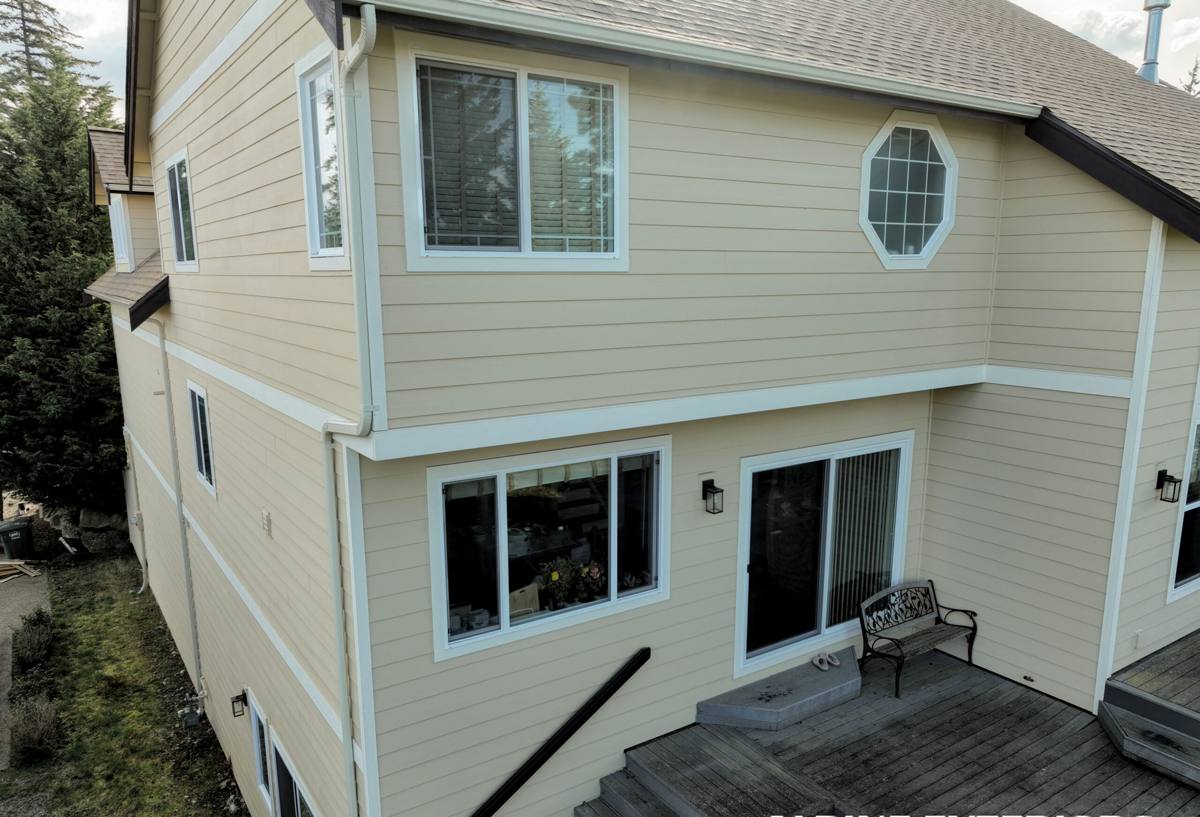
What Sarasota's Climate Does to a Deck Over Time
Homeowners who move here from other regions are often surprised by how fast an improperly built or poorly chosen deck deteriorates. Several forces are working against outdoor structures here at the same time, and a deck has to be designed to resist all of them together, not just one.
UV Exposure
Sarasota gets strong, direct sun nearly year-round. Untreated or poorly finished wood grays and checks quickly, fasteners with weak coatings degrade faster under constant heat cycling, and lower-grade composite boards can fade or chalk if they aren't rated for high-UV climates. Material selection and finish matter more here than in most parts of the country.
Wind-Driven Rain and Humidity
Rain in this area rarely falls straight down — it comes in sideways during storms, driving moisture into joints, fastener holes, and end grain that a vertical-rain climate would never expose. Combined with high ambient humidity for most of the year, this is what causes rot, fastener corrosion, and hidden structural decay in decks that weren't detailed correctly at the framing stage.
Salt Air
Even set back from the immediate coastline, Laurel Park is close enough to the water that salt air carries inland and accelerates corrosion on hardware, fasteners, and any metal connectors used in the deck's structure. Standard interior-grade or even basic exterior-grade hardware corrodes noticeably faster here than it would further inland.
Hurricane-Force Wind
Sarasota County sits in a wind zone that requires structures to be designed for significant uplift and lateral load, not just gravity load. A deck that's only built to hold weight — and not to resist wind trying to lift or rack it — is a liability during storm season, both for the structure itself and for anything attached to the house.
Choosing the Right Decking Material for This Climate
There's no single "best" decking material for every home — it depends on budget, maintenance tolerance, and how the deck will be used. What we won't do is recommend a product just because it's cheaper to install if we know it performs poorly under Sarasota conditions. Below is an honest comparison of the main options we discuss with Laurel Park homeowners.
| Material | UV / Fade Resistance | Moisture Behavior | Maintenance | Relative Cost |
|---|---|---|---|---|
| Pressure-treated wood | Fades and grays without regular finishing | Absorbs moisture; needs sealing to resist wind-driven rain | Annual cleaning and re-sealing recommended | Lowest upfront |
| Tropical hardwood (e.g., ipe-type species) | Very good; naturally dense | Excellent when properly fastened; minimal swelling | Periodic oiling to maintain color, or allowed to gray naturally | Highest material cost |
| Capped composite | Good to very good with quality brands | Doesn't absorb moisture or rot; won't splinter | Occasional washing; no sealing or staining | Mid to upper-mid |
| Cellular PVC | Very good; engineered for full sun exposure | Fully moisture-immune; ideal near water and salt air | Lowest — washing only | Upper-mid to high |
For a shaded, established neighborhood like Laurel Park, homeowners often lean toward composite or PVC decking specifically because they don't have to think about resealing wood every year on top of everything else that comes with owning an older home in this area. That said, plenty of homeowners still prefer real wood for its look and feel — if that's the choice, we build in the maintenance schedule up front so it's not a surprise later.
What a Correctly Built Deck Substructure Involves
The decking surface is the part everyone sees, but the framing underneath is what determines whether the deck survives its first serious storm season. This is also where corners get cut on lower-bid jobs, because it's the part that isn't visible once the boards go down.
Ledger Attachment
Where a deck attaches to the house, the ledger board connection has to be properly flashed and fastened to prevent water intrusion into the home's structure — this is one of the most common failure points on poorly built decks, and it's invisible until it becomes a much bigger repair.
Footings and Posts
Footing depth and post connections need to account for local soil conditions and wind uplift requirements, not just vertical load. A post that's only toe-nailed or lightly bracketed to a footing can work loose under repeated wind loading long before it would ever fail under normal foot traffic.
Joist Hardware and Fasteners
We use corrosion-resistant, coastal-rated hardware and fasteners throughout — stainless or heavy hot-dip galvanized connectors rather than standard-grade coated hardware, because standard hardware corrodes noticeably faster in this salt-air environment and weakens the connections it's supposed to protect.
Wind Uplift Bracing
Depending on the deck's height, size, and attachment configuration, additional bracing or hold-down hardware may be required to meet Sarasota County's wind load requirements. This is engineering detail that has to be figured out at the design stage, not added as an afterthought.
Our Process, Start to Finish
- On-site visit and consultation — we walk the property, discuss how the deck will be used, and talk through material options honestly, including trade-offs.
- Design and proposal — layout, material selection, and a clear written scope so there are no surprises about what's included.
- Permitting — we handle the permit application and drawings required by Sarasota County for the project.
- Site prep and framing — footings, posts, and structural framing built to current wind load requirements.
- Decking, railing, and finish work — surface installation, railing systems, stairs, and any trim or lighting.
- Final walkthrough and inspection — we review the finished deck with you and coordinate any required county inspection sign-off.
We keep you informed at each stage rather than disappearing until the job is "done." If something on-site changes the plan — a soil condition, an unexpected drainage issue, anything — we tell you before we act on it, not after.
Permits and Code Requirements in Sarasota County
Most custom decks in Sarasota County require a building permit, and the structural design has to meet the county's current wind load standards. Skipping this step, or hiring a crew that treats permitting as optional, can create real problems later — unpermitted structures can complicate home sales, insurance claims, and even future renovation projects. We pull the required permits and build to the standards the county inspects against, so the deck is documented and legitimate from day one, not just built to "look right."
Maintaining a Deck in a Laurel Park Backyard
Whatever material you choose, a little routine attention goes a long way in this climate. Here's what we recommend to homeowners after installation:
- Rinse the deck surface periodically to remove salt residue, pollen, and organic debris before it builds up in the grain or texture
- Check fastener heads and railing connections once or twice a year for any early signs of corrosion or loosening
- Reseal or re-stain wood decking on a regular schedule rather than waiting until it visibly fades
- Keep gutters and nearby drainage clear so water isn't pooling against posts or footings after heavy rain
- Trim back overhanging vegetation to reduce constant shade-and-moisture cycling on the deck surface, which speeds up wear
- Inspect the underside of the deck after major storms for any shifted bracing or hardware
Why Local Experience in Laurel Park Matters
A deck built by a crew that's worked this specific area understands things a general contractor from outside the region might not think to ask about — how close the property is to flood zones, how mature tree canopy affects drainage and material choice, and what Sarasota County inspectors actually expect to see at framing and final inspection. That familiarity shows up in fewer surprises during the permit process and a structure that's built correctly the first time, instead of one that needs rework because it was designed for a different climate.
We also know this neighborhood's mix of older, established homes and more recently updated properties, which means we're used to tying new deck structures into existing homes cleanly — matching elevations, working around mature landscaping, and keeping the finished product looking like it belongs with the house rather than bolted on.
Get a Straightforward Estimate
If you're considering a new deck or need to replace one that's past its prime, we're happy to come out, take a look at your property, and give you honest options based on how you actually plan to use the space. There's no pressure and no obligation — just a clear look at what a well-built deck for your Laurel Park home would involve. Use the form below to request a free estimate.