 Sarasota Roofing
 Why Fruitville Decks Wear Out Faster Than Homeowners Expect
Fruitville sits inland from the coast, but "inland" in Sarasota County doesn't mean protected. Salt-laden air still moves through the area on prevailing winds, humidity stays high most of the year, and the same intense UV load that fades siding and cracks caulking on every home in the region works just as hard on a deck's surface. Add in the wind-driven rain that comes with our regular thunderstorm pattern and the occasional tropical system, and you have a combination that ages a deck structure well before its boards start looking obviously bad.
Most decks in this area don't fail because of one dramatic event. They fail slowly — fasteners corrode, ledger boards trap moisture against the house, and framing lumber that looked fine on the surface loses structural integrity underneath. By the time a homeowner notices soft spots, wobble, or visible rot, the problem is usually further along than it appears from the top.
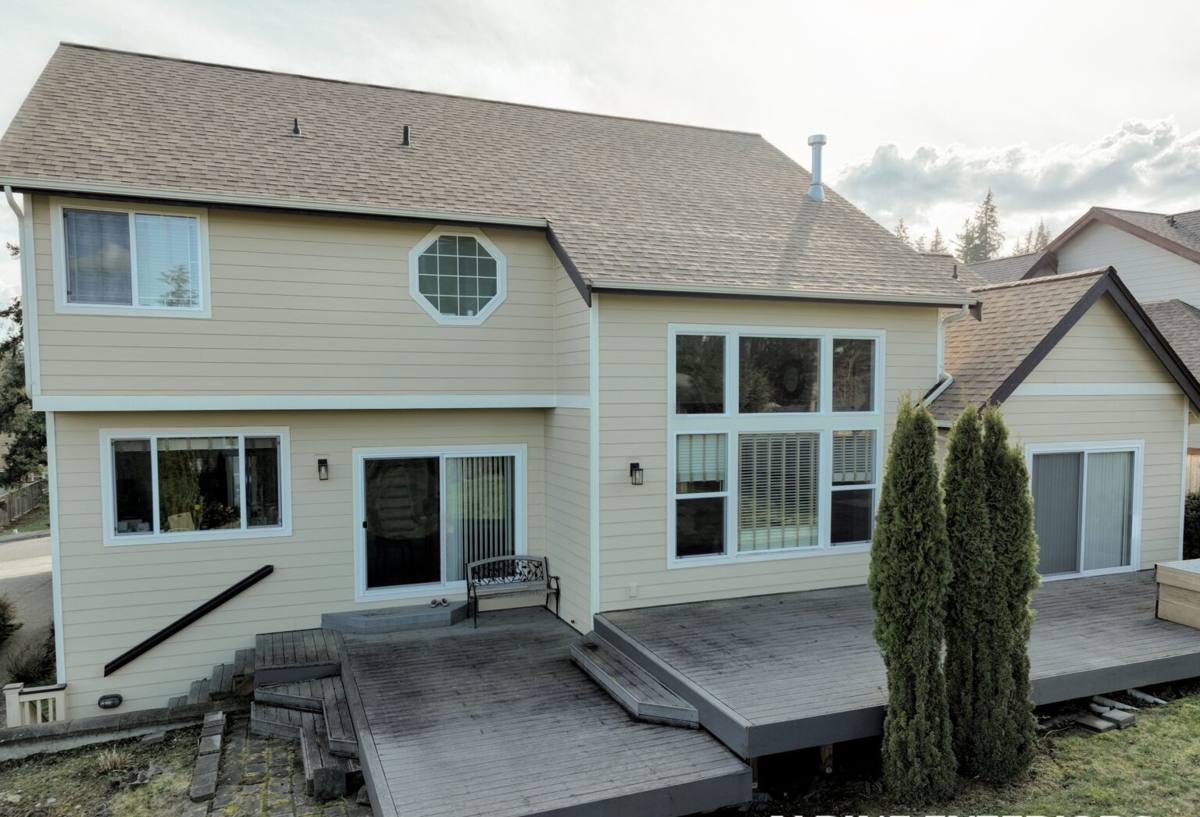
Signs a Fruitville Deck Needs Replacement, Not Just Repair
Repair makes sense when the damage is isolated. Replacement becomes the honest recommendation when the problems are systemic — meaning the same conditions that damaged one board or post have likely been working on the rest of the structure for the same number of years. Here's how we tell the difference on a typical inspection:
- Soft, spongy decking in multiple, unrelated areas — not just one board that got a puddle
- Rust streaking or visibly corroded fasteners at more than a few connection points
- A ledger board that's separating from the house or shows water staining behind the flashing
- Posts or footings that shift, sink, or feel loose when the deck is walked on
- Structural members (joists, beams) that are cracked, split, or show fungal decay when probed
- A deck that's simply reached the end of its designed service life and was built to older, lighter-duty standards
If the issues are confined to a section of surface boards and the framing underneath is sound, repair or a partial re-deck can be the right call. If the framing itself is compromised, patching the surface just hides a problem that will keep spreading.
What a Correct Deck Replacement Actually Involves
A deck replacement done right is a full structural rebuild, not a cosmetic swap. In Sarasota County, that means every component has to be selected and installed with our wind and moisture exposure in mind, not just built to look good on day one.
Ledger and Attachment
The ledger board — where the deck ties into the house — is the single most common failure point on any deck, anywhere. Proper flashing, correct fastener spacing, and a real gap or membrane to keep water from wicking into the house structure are non-negotiable. A ledger installed without proper flashing is a slow leak waiting to happen, and in our humidity, "slow" doesn't mean "harmless."
Footings and Posts
Footings need to be sized and set to local frost-free depth requirements and soil conditions, with posts anchored using connectors rated for wind uplift, not just gravity load. Florida's building code accounts for wind forces trying to lift a structure, not just push it sideways — deck framing has to be engineered the same way.
Framing and Fasteners
Joists and beams should be sized for the actual span and load, using lumber or engineered material rated for exterior exposure. Fasteners matter more here than almost anywhere else in the build — coastal-grade, corrosion-resistant hardware isn't an upsell, it's what keeps connections from rusting out years before the wood itself would fail.
Decking and Railing
The surface material and railing system get chosen based on how the deck will actually be used, how much direct sun it gets, and how much upkeep the homeowner wants to take on long-term — more on those trade-offs below.
Choosing Decking Material for a Sarasota County Home
There's no single "best" decking material — there's a best fit for your budget, sun exposure, and how much maintenance you're willing to do. Here's how the common options actually compare under our conditions:
| Material | UV / Fade Resistance | Moisture Behavior | Maintenance |
|---|---|---|---|
| Pressure-treated pine | Fades and grays without regular sealing | Absorbs water; needs sealing to resist rot and warping | Annual cleaning and re-sealing |
| Composite decking | Good with quality cap-stock products; some fading over years | Doesn't rot, but poor-quality cores can hold moisture at cut ends | Periodic cleaning; no sealing/staining |
| PVC decking | Very strong UV and fade resistance | Fully moisture-resistant, doesn't absorb water | Low; occasional cleaning |
| Tropical hardwoods | Naturally dense but still grays without oiling | Naturally rot-resistant but installation-sensitive | Regular oiling to maintain appearance |
We install what fits the homeowner's goals rather than pushing one product line. Wood costs less up front but asks for consistent upkeep in our climate to get a full service life out of it. Composite and PVC cost more initially but trade ongoing maintenance for material stability — that trade-off is worth walking through in person, since the right answer depends on how the deck will be used and how much time you want to spend maintaining it.
Permits, Wind Load, and Florida Building Code
Deck replacement in Sarasota County generally requires a permit, and for good reason — the framing, footing depth, guard height, and fastening schedule all have to meet Florida Building Code requirements that account for our wind exposure. This isn't paperwork for its own sake; it's the difference between a deck that's engineered to stay put in a storm and one that's just nailed together to look right.
Skipping the permit process might save time upfront, but it creates real problems later — at resale, at insurance renewal, and in the event of storm damage where an unpermitted structure can complicate a claim. We pull the required permits and build to code as a matter of course, not as an add-on service.
Our Deck Replacement Process
- On-site assessment. We inspect the existing deck's framing, ledger, footings, and surface condition to confirm whether replacement is actually the right call versus repair.
- Material and design conversation. We walk through decking, railing, and framing options based on your budget, sun exposure, and how you use the space.
- Permitting. We handle the permit application and engineering documentation required by Sarasota County before any demolition starts.
- Demolition and disposal. The old structure comes out cleanly, with attention to protecting the surrounding landscaping and the house itself.
- Framing rebuild. New footings, posts, ledger, and joists go in to current code, with corrosion-resistant hardware throughout.
- Decking and railing installation. Surface material and railing go in per manufacturer specs — this is where installation quality most affects long-term appearance and performance.
- Final inspection. We coordinate the county inspection and walk the finished deck with you before calling the job done.
Why Hiring a Crew That Already Works Fruitville Matters
Building or replacing a deck in Fruitville isn't the same job as building one somewhere with a different soil profile, wind exposure, or permitting office. A crew that already works this part of Sarasota County knows the local permitting requirements, has a working relationship with the inspectors who'll sign off on the job, and has already seen how different materials and fastening methods hold up under our specific combination of sun, humidity, and storm exposure.
That local track record matters more than it might seem. A contractor who mainly works elsewhere may default to methods that are fine in a milder climate but undersized for ours — lighter fasteners, less attention to ledger flashing, or decking choices that aren't suited to year-round UV exposure. Experience working Fruitville specifically means fewer surprises during permitting and a structure that's actually built for where it stands.
Maintaining Your New Deck in Sarasota's Climate
A well-built deck still needs some ongoing attention to reach its full service life here. A simple seasonal routine goes a long way:
- Rinse off salt residue, pollen, and debris regularly, especially after storms
- Check fastener heads and railing connections once or twice a year for corrosion or looseness
- Reseal or re-stain wood decking on the schedule the product actually needs — don't wait until it looks bad
- Keep gutters and downspouts clear so runoff isn't dumping extra water onto or under the deck
- Inspect the ledger board area annually for staining, gaps, or signs of moisture intrusion
- Trim back landscaping that's trapping moisture or debris against the structure
None of this is complicated, but skipping it is how a well-built deck ends up needing early repairs anyway. A few minutes of attention a couple times a year protects the investment.
What This Costs and What Drives the Price
Every deck replacement is priced around size, framing complexity, material choice, and site access, so we won't quote a number without seeing the job. What we can tell you is what actually moves the price up or down, so you know what you're deciding on:
| Factor | Effect on Cost |
|---|---|
| Deck size and shape | Larger footprints and multi-level or angled designs increase framing and labor time |
| Decking material | Pressure-treated wood costs less upfront; composite and PVC cost more but reduce upkeep |
| Height and railing requirements | Taller decks need more substantial framing and code-compliant guard systems |
| Site access | Tight side-yard access or obstacles can add labor time for demolition and material delivery |
| Existing damage | Rot extending into ledger framing or the house structure adds repair scope beyond the deck itself |
If you're weighing a deck replacement for a Fruitville home, we're glad to walk the existing structure with you, give you a straight read on whether repair or replacement makes sense, and put together a free, no-pressure estimate based on what we actually see on site.