 Sarasota Roofing
 Building Decks for The Meadows, Sarasota
The Meadows is one of Sarasota's more established residential communities — mature tree canopy, quiet streets, and a lot of homes with the kind of outdoor living space that makes Southwest Florida worth living in. When homeowners here ask us for a custom deck, they're usually not starting from scratch conceptually. They've seen decks fail early in this climate, or they've lived with one that was never really designed for Sarasota conditions in the first place. Our job is to build the version that lasts.
A deck in The Meadows has to deal with the same stack of stressors every outdoor structure in Sarasota County faces: hurricane-force wind gusts, intense UV exposure nearly year-round, wind-driven rain that finds its way into any gap in the assembly, and humidity that never really lets wood dry out completely. None of that is unique to this neighborhood, but the combination of mature landscaping, established lot layouts, and — in many sections — HOA design review does shape how a project here gets planned and built.
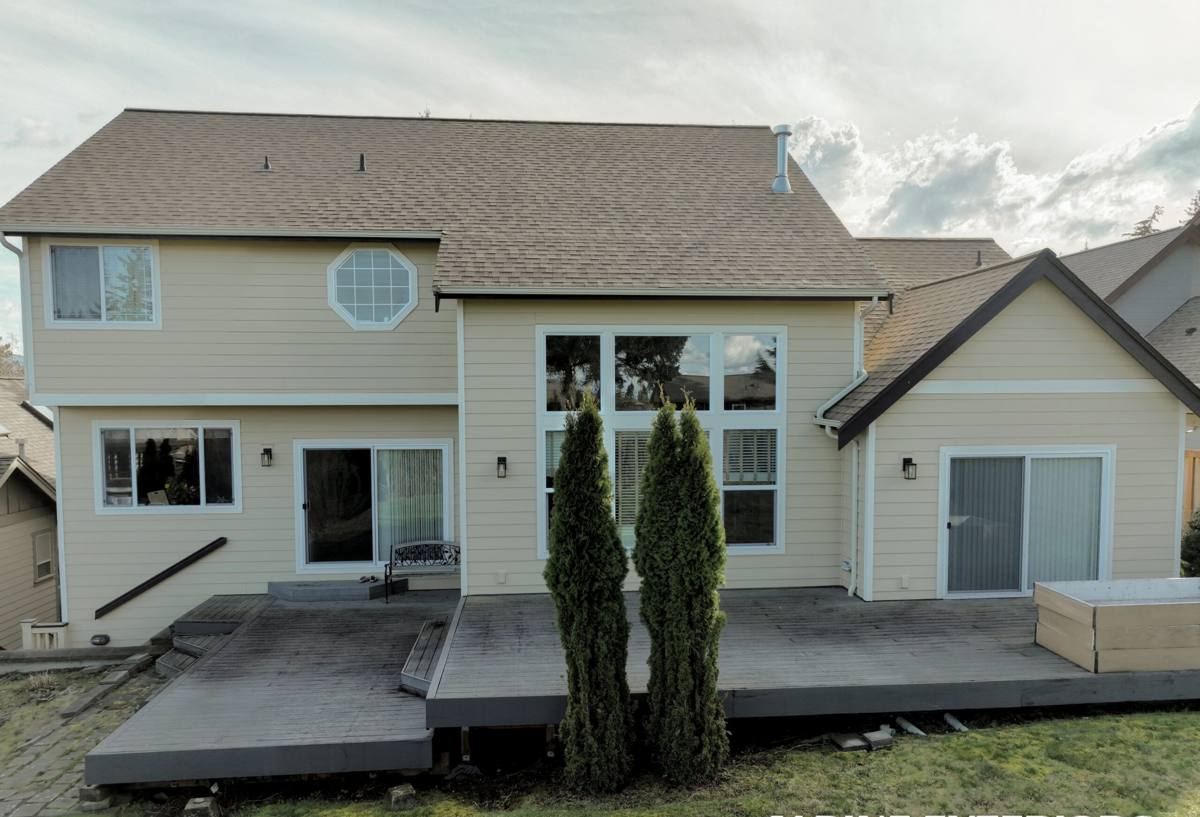
What Sarasota's Climate Actually Does to a Deck
UV and Heat
Florida sun is harder on exterior materials than most homeowners expect. Untreated or poorly finished wood grays and checks within a couple of years. Some composite decking, especially older or lower-grade product, can fade or get noticeably hot underfoot in direct summer sun. Material choice and color matter more here than they do in a lot of other parts of the country.
Wind-Driven Rain and Humidity
Rain in Sarasota rarely falls straight down. Wind pushes it sideways and up under ledger boards, railing posts, and any horizontal surface that isn't properly flashed or sloped. Combine that with humidity that keeps moisture in framing lumber longer than in drier climates, and you get the two most common deck failures we see locally: rotted ledger connections and corroded fasteners.
Hurricane and High-Wind Loads
Sarasota County sits in a high-velocity hurricane zone, which means structural requirements for decks — post spacing, footing depth, railing attachment, guardrail load capacity — are not optional extras. They're baked into the permit review. A deck that would pass inspection in a milder wind zone often won't pass here without upgraded hardware and connections.
Salt Air
The Meadows is inland relative to the barrier islands, but Sarasota's proximity to the Gulf still means airborne salt reaches most of the area, especially with onshore winds. Standard fasteners and connectors corrode faster than homeowners expect, even a few miles from open water. It's a slower process than on a beachfront lot, but it's a real one, and it's why we don't treat hardware selection as an afterthought.
What a Correctly Built Deck Involves Here
A deck that holds up in this climate isn't just about picking a nice-looking decking board. The parts nobody sees are what determine whether the deck is still solid in ten years.
- Ledger attachment: properly flashed and through-bolted to the house structure, not just lag-screwed into siding — this is the single most common failure point on older Florida decks
- Footings: sized and set to the depth required for local soil and wind uplift conditions, not a generic minimum
- Framing hardware: stainless steel or coated connectors rated for coastal/humid exposure, not standard galvanized that corrodes faster in salt air
- Post-to-beam and railing connections: built to meet Sarasota County's wind and guardrail load requirements, not just "code minimum" in a lower-wind jurisdiction
- Drainage and slope: decking and any covered sections sloped to shed water away from the house, not toward it
- Fastener selection: matched to the decking material to avoid galvanic corrosion or streaking
Skip any one of these and the deck will probably still look fine for a couple of years. The problems show up later, usually as soft spots near the house, rust streaking, or a railing that's gone loose — and by then the fix is more invasive than it would have been to do it right the first time.
Choosing a Decking Material for a Meadows Lot
The Meadows has a lot of tree cover, which changes the calculation a little compared to a wide-open, full-sun lot. Shaded decks hold moisture longer, which favors materials that don't absorb water, while sun-exposed sections need to handle UV without fading or overheating underfoot.
| Material | Upfront Cost | Maintenance | Behavior in Sarasota Climate |
|---|---|---|---|
| Pressure-treated wood | Lowest | Annual sealing/staining recommended | Prone to graying, checking, and splintering under UV and humidity if not maintained consistently |
| Tropical hardwood | Mid to high | Periodic oiling to maintain color | Naturally dense and rot-resistant; holds up well but needs upkeep to stay looking its best |
| Composite decking | Mid to high | Occasional washing, no staining | Doesn't rot or splinter; quality varies a lot between product lines, so fade and heat resistance depend on what's specified |
| PVC/capped composite | Highest | Low — washing only | Best moisture resistance of the group; performs well in shaded, humid areas prone to mildew |
We don't push one material on every job. A shaded lot under mature trees, a sun-exposed rear yard, and a screened lanai extension all call for different trade-offs, and we'll walk through them honestly rather than upsell whatever has the best margin.
The Meadows-Specific Factors We Plan Around
Mature Trees and Shade
Established tree canopy is one of the neighborhood's best features, but it also means more leaf litter and moisture sitting on deck surfaces, and root systems that can complicate footing placement. We look at both before finalizing a layout.
HOA and Design Review
Portions of The Meadows fall under homeowners association or deed-restriction guidelines that can affect railing style, decking color, and how a structure ties into the existing home. If your property is subject to review, we'll build the submittal package around what's actually likely to be approved rather than a design that has to be redone after rejection.
Integration with Screened Lanais
A lot of homes in this area already have a screened lanai or pool enclosure. When a new deck ties into or extends from one of these structures, the framing and flashing details at that connection point matter more than on a standalone deck — it's a common spot for water intrusion if it's not detailed correctly.
Permits and Code in Sarasota County
Custom decks in unincorporated Sarasota County and most surrounding jurisdictions require a building permit, and inspections happen at multiple stages — typically footings, framing, and final. Requirements cover:
- Footing depth and post sizing for wind uplift resistance
- Ledger attachment method where the deck meets the house
- Guardrail height and baluster spacing for fall protection
- Stair geometry and handrail requirements
- Load ratings appropriate to the county's wind zone
We handle the permit submittal and schedule inspections as part of the build. A deck that skips permitting might save a few weeks upfront, but it can create real problems at resale — unpermitted structures often surface during a buyer's inspection or title search, and fixing it after the fact costs more than doing it right the first time.
How Our Process Works
- Site visit: we walk the lot, note tree placement, drainage, sun exposure, and how the deck should tie into the house and any existing lanai or pool enclosure
- Design and material selection: we go over layout options and material trade-offs based on your budget and how you'll actually use the space
- HOA submittal (if applicable): we prepare drawings and specs in the format your association typically requires
- Permitting: we file with Sarasota County or the relevant jurisdiction and handle the engineering documentation where required
- Construction: footings, framing, decking, and railing built to the wind and moisture standards this climate demands
- Inspections and walkthrough: we schedule required inspections and go over care and maintenance with you before we consider the job finished
What Drives the Cost of a Custom Deck
| Factor | Why It Matters |
|---|---|
| Size and footprint | More square footage means more framing, footings, and decking material |
| Material choice | Pressure-treated, hardwood, composite, and PVC span a wide cost range |
| Height and grade change | Elevated decks need more substantial framing, railing, and often stairs |
| Site access | Mature landscaping or tight side-yard access can slow material staging and increase labor |
| Railing style | Cable, glass, and custom-milled railings cost more than standard baluster systems |
| HOA-driven design changes | Approved colors or styles may cost more than the cheapest available option |
We'll give you a real number based on your lot and material choices during the estimate — not a rough range that changes once we've seen the site.
Maintaining a Deck in a Coastal, Humid Climate
- Rinse off leaf litter, pollen, and organic debris regularly, especially under tree canopy
- Check railing and stair connections for looseness once or twice a year
- Inspect the ledger board area at the house for any signs of moisture staining
- Reseal or restain wood decking on the schedule appropriate to the product — don't wait until it's visibly gray
- Look for rust streaking around fasteners, which can signal the wrong hardware was used originally
- Keep gutters and downspouts near the deck clear so runoff isn't draining onto or under it
Why a Crew That Already Works The Meadows Matters
Every neighborhood in Sarasota County has its own texture — soil conditions, tree cover, typical lot layout, and in places like The Meadows, association design standards that a contractor either understands going in or learns the hard way through a rejected submittal. A crew that's already built decks in this community knows what tends to get approved, what the drainage looks like under mature trees, and how to tie a new structure into an existing lanai without creating a leak point.
Just as important is accountability. We're not a crew that shows up from out of the area for one job and disappears. We're local, we're reachable after the project is done, and we stand behind the work — which matters more with a deck than most homeowners realize, since problems from poor construction often don't show up until a year or two in.
If you're considering a custom deck for your home in The Meadows, we're happy to walk the property, talk through material and layout options, and give you a straight answer on what it will take. Use the form below to request a free, no-pressure estimate.