 Sarasota Roofing
 Roofing The Meadows: A Different Kind of Job
The Meadows is one of Sarasota's older, more established residential communities, and that shows in the roofs. Many homes here were built decades ago under different code requirements than what's in force today, and a lot of them sit under heavy, mature tree canopy that younger neighborhoods simply don't have. That combination — older roof decks, more shade and debris, and Sarasota County's demanding climate — means a new roof installation in The Meadows isn't quite the same job as one on a newer, more exposed lot across town.
A correct installation here has to account for what's actually happening on your specific roof: how much sun and shade it gets through the day, how water moves off it during a heavy downpour, and how it will hold up when a tropical system pushes sustained wind and wind-driven rain across the property. Get those details right and a new roof will protect the home for decades. Skip them, and even an expensive roofing material can underperform.
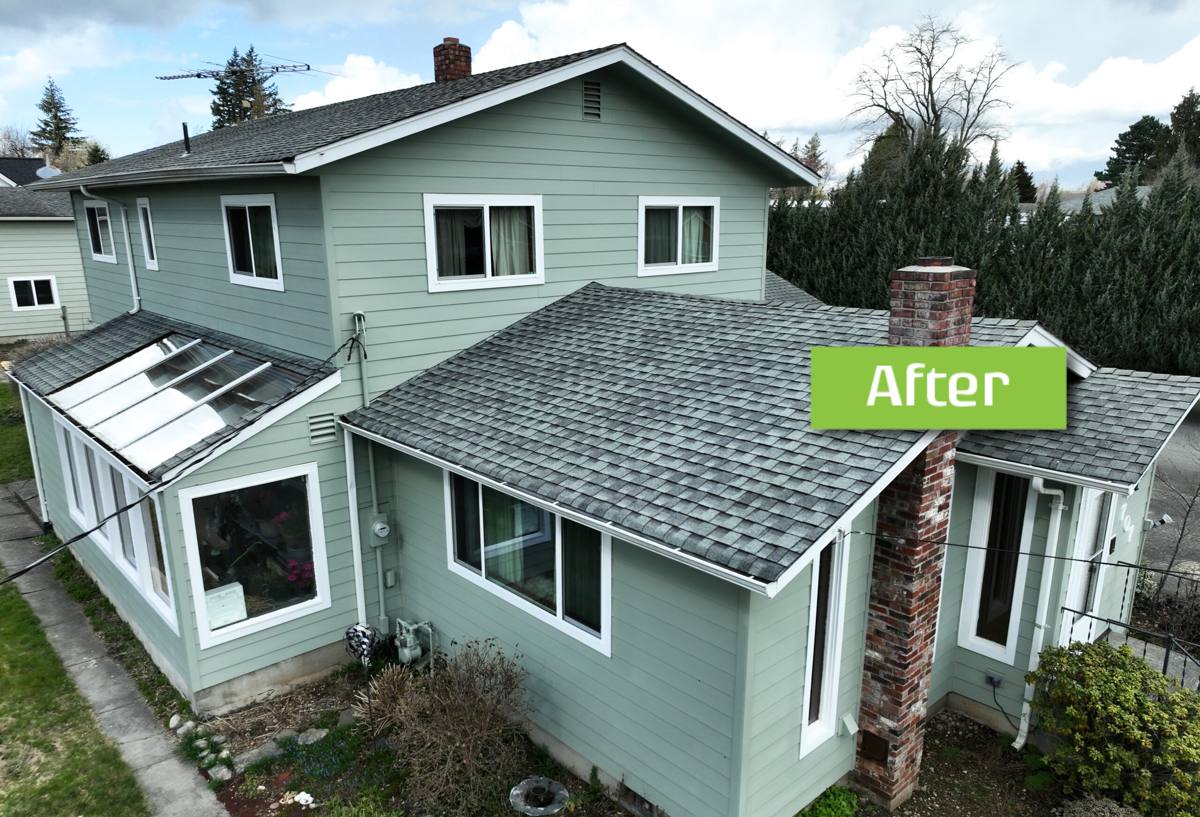
What Sarasota's Climate Actually Does to a Roof
Roofs in Sarasota County work harder than roofs almost anywhere else in the country, for a few specific reasons:
- Hurricane-force wind: Uplift at the edges and corners of a roof is where most storm damage starts. Fastening patterns, edge metal, and underlayment attachment all matter more here than in low-wind regions.
- Intense, year-round UV: Florida's sun degrades roofing materials faster than the manufacturer's national warranty numbers usually assume. Shingle granules, sealant strips, and coatings all break down faster under constant UV exposure.
- Wind-driven rain: Storms here rarely drop straight down. Rain gets pushed sideways under ridge caps, around penetrations, and up under shingle tabs — which is why underlayment and flashing details matter as much as the visible roofing material itself.
- Salt air: Even away from the immediate coastline, Sarasota's proximity to the Gulf means airborne salt accelerates corrosion on exposed fasteners, flashing, and metal roofing panels over time.
None of this means a roof in The Meadows can't last a long time — it means the installation details that get glossed over in milder climates can't be skipped here.
Signs Your Meadows Home May Be Due for a New Roof
Roof replacement is a big decision, and it's worth basing it on real evidence rather than age alone. Common signs we look for on inspections in this area include:
- Curling, cracking, or missing shingles, especially on the sun-exposed south and west slopes
- Granule loss showing up in gutters or at downspouts
- Soft spots or sagging when walking the roof, which usually points to deck damage underneath
- Staining or streaking on interior ceilings, particularly after heavy rain
- Visible daylight through the attic decking, or damp, musty attic air
- Moss, algae streaking, or persistent damp patches — more common on shaded roofs under Meadows tree canopy
- A roof that's approaching or past the age where insurance carriers start requiring inspections or adding surcharges
If your roof is showing more than one or two of these, a replacement is usually more cost-effective than continuing to patch it.
Choosing a Roofing Material for This Climate
There's no single "best" roofing material for every home — it depends on your roof's pitch, your budget, how long you plan to stay in the home, and how much wind and UV exposure your particular roof faces. Here's an honest comparison of what's commonly used in this part of Florida:
| Material | Typical Lifespan | Wind Performance | Considerations for The Meadows |
|---|---|---|---|
| Architectural (dimensional) shingles | 20–30 years | Good, when rated and installed to spec | Most common choice; wide style/color range; strong value |
| 3-tab shingles | 15–20 years | Lower wind rating than architectural | Lower upfront cost, but shorter life in this climate |
| Standing seam metal | 40–50+ years | Excellent when properly fastened | Higher upfront cost; strong resale and insurance benefits |
| Tile (concrete or clay) | 40–50+ years | Very good, tied to underlayment and attachment system | Common on Sarasota-area homes; heavier, requires structural check |
We'll walk you through what fits your roof's structure and your budget rather than pushing a single product — the right material is the one installed correctly and matched to how your home actually sits on the lot.
Why We're Selective About What We Install
Some products marketed as "premium" trade real-world durability for appearance, or come with installation requirements that are easy to get wrong and hard to warranty. Our standard is to install materials we can stand behind for wind performance, moisture handling, and long-term maintenance in this specific climate — not just what looks best in a brochure. If we steer you away from a product, it's because of how it performs here, and we'll explain exactly why.
What a Correct New Roof Installation Actually Involves
A roof is a system, not just a top layer of shingles or tile. The parts you don't see are usually what determine whether the roof survives its first real storm.
Tear-Off and Deck Inspection
We remove the old roofing down to the deck and inspect every sheet of plywood or OSB underneath. Any soft, delaminated, or water-damaged decking gets replaced before anything new goes down — installing new roofing over a compromised deck is one of the most common corner-cuts in this trade.
Underlayment
Given how much wind-driven rain Sarasota gets, underlayment is not optional insurance — it's the roof's actual second line of defense. We use underlayment systems rated for this climate, with proper overlap and fastening.
Flashing and Penetrations
Chimneys, vents, skylights, and wall intersections are where the majority of roof leaks originate. Each penetration gets new flashing sized and sealed correctly, not just caulked over the old metal.
Fastening and Wind Rating
Nailing pattern, fastener type, and edge attachment all have to meet Florida Building Code wind provisions for our area. This is where an installation either meets code on paper or actually performs when 100+ mph gusts hit the roof.
Ventilation
Attic ventilation affects both energy bills and shingle life. A hot, poorly ventilated attic bakes roofing material from underneath, which shortens its lifespan regardless of how good the material is.
Our Process, Start to Finish
- Inspection and estimate — We assess the current roof, deck condition, and any drainage or ventilation issues, and give you a clear, written estimate.
- Material selection — We review options suited to your roof's pitch, sun exposure, and budget, with honest trade-offs explained.
- Permitting — We handle the Sarasota County building permit and coordinate any required inspections.
- Tear-off and deck repair — Old roofing comes off, the deck is inspected, and any damaged sections are replaced.
- Installation — Underlayment, flashing, and the new roofing material go on to code and manufacturer specifications.
- Final walkthrough — We inspect the completed roof with you, clean up the property, and provide documentation for your records and insurance.
Working Around Mature Trees and HOA Guidelines
Tree canopy is one of the things that makes The Meadows distinctive, but it also affects roofing work — overhanging limbs, accumulated leaf debris, and shaded roof sections that stay damp longer all factor into how we plan and protect the property during installation. We take care to protect landscaping and clean up thoroughly once the job is done.
If your section of The Meadows falls under HOA or deed-restriction guidelines, those can affect approved shingle colors or roofing styles. We're glad to work within whatever guidelines apply to your property and provide any documentation your association requires.
Before You Sign With Any Roofing Contractor
Whoever you hire, a few basics protect you from a bad outcome:
- Confirm the contractor is licensed to work in Florida and carries current liability and workers' compensation insurance
- Get the estimate in writing, including material specifications — not just a total price
- Ask who pulls the permit and confirm it will be filed with Sarasota County
- Ask about the manufacturer's warranty terms and what the installer's own workmanship warranty covers
- Get a clear answer on deck repair costs before work starts, so there are no surprise change orders
- Confirm cleanup and debris removal, including magnetic sweep for nails, is included
Why Local Experience in This Neighborhood Matters
A crew that regularly works in The Meadows already understands the age range of the homes here, the tree coverage that shapes maintenance needs, and the kind of permitting and inspection process Sarasota County expects. That familiarity means fewer surprises during the job — and a roof that's actually built for the conditions it has to survive, not a generic installation dropped onto a Florida address.
If you're weighing repair versus replacement, or just want a straight answer on what your roof needs, we're happy to take a look. Reach out for a free, no-pressure estimate using the form below.