 Sarasota Roofing
 Why The Meadows Needs a Different Conversation About Roofing
The Meadows is one of the more heavily wooded, golf-course-oriented communities in Sarasota, and that setting changes what a roof has to deal with day to day. A roof under a mature tree canopy sits in more shade, holds more moisture after a storm passes, and collects a steady drip of leaves, oak pollen, and small branch debris that a roof out in the open never sees. That's on top of everything every other roof in Sarasota County already has to handle: hurricane-force wind gusts, intense year-round UV, wind-driven rain that gets pushed sideways under poorly sealed edges, and salt-laden air drifting in off the Gulf that corrodes anything not rated for it.
None of that makes metal roofing wrong for The Meadows — if anything, it's one of the better matches for a shaded, storm-exposed lot. But it does mean the product choice, the flashing details, and the maintenance plan should be picked with this specific setting in mind, not treated the same as a roof on a wide-open lot near the beach.
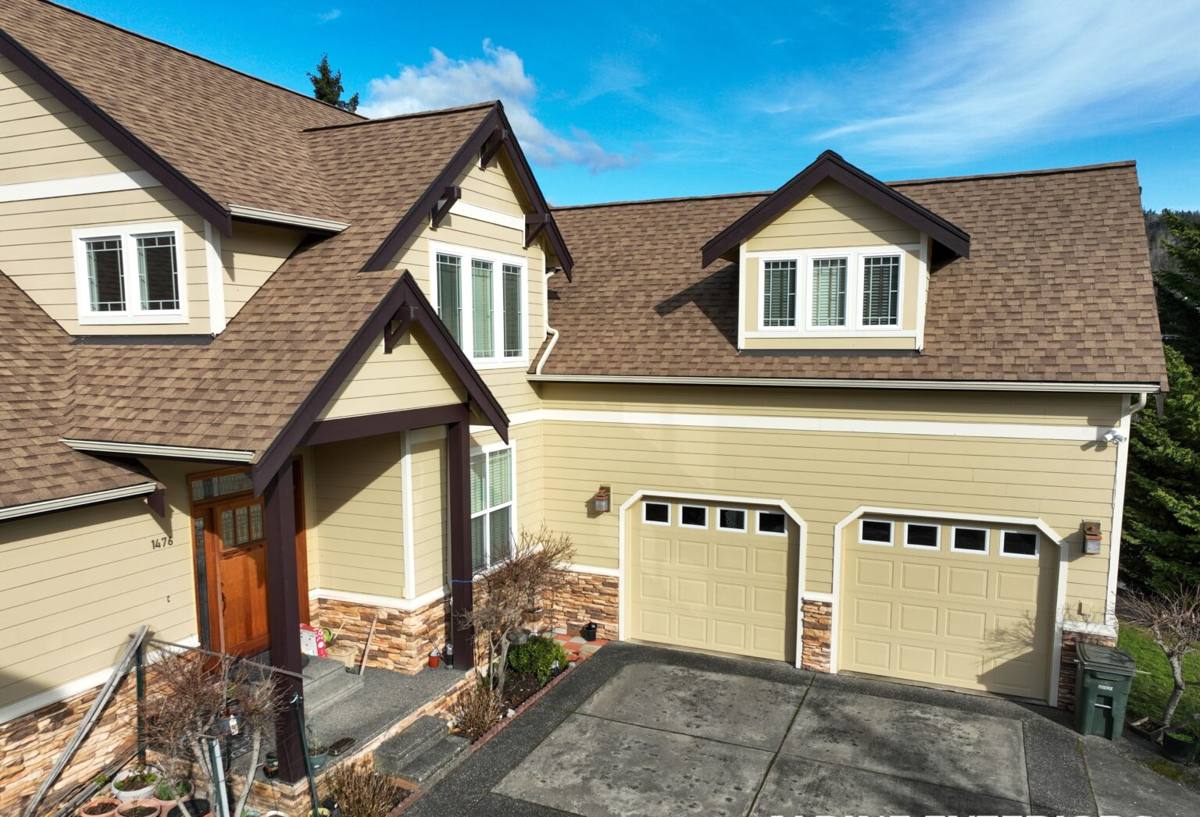
What Shade and Tree Cover Actually Do to a Roof
Moisture that lingers longer
Asphalt shingles under heavy canopy tend to grow algae streaking and hold moisture in valleys and under debris piles, which shortens their service life well below the manufacturer's rated years. Metal doesn't feed algae growth and sheds water fast off a slick, sloped panel, so it dries out again much quicker after a rain event — which under a tree canopy in a humid climate is most days.
Debris load and drainage
Leaves and small branches collect in roof valleys, around any protrusions, and at the eaves. On a metal roof, the panel profile and the flashing details at those spots matter more than the metal itself — a well-formed valley and a properly lapped ridge cap shed debris instead of trapping it. We pay close attention to those details specifically because of how much organic debris a shaded lot generates over a year.
Falling limbs and impact resistance
Tree cover also means a higher chance of small limb strikes during wind events. Quality steel or aluminum panels, installed at the gauge and profile appropriate for the home, handle minor impacts far better than brittle roofing materials, and they don't granule-shed or crack the way some other products do after years of UV exposure and impact.
The Regional Climate Factors Every Sarasota County Roof Faces
Whatever else a roof in The Meadows deals with, it's still a Sarasota roof first. That means it has to be engineered and installed to handle the same baseline conditions as every home in this part of Florida:
- Hurricane-force wind: panels and fastening patterns need to meet Florida Building Code wind-uplift requirements for our wind zone, not a generic national minimum.
- Wind-driven rain: storms here don't just fall straight down — wind pushes rain sideways and up under laps, ridges, and penetrations, so every seam and flashing point has to be sealed with that in mind.
- Intense, year-round UV: Florida sun degrades paint finishes and sealants faster than in most of the country, which is why finish quality and sealant selection matter as much as the base metal.
- Salt air: even well inland from the beach, Gulf Coast air carries enough salt to accelerate corrosion on fasteners, flashing, and any exposed metal that isn't rated for a coastal environment.
A correct installation treats all four of these as baseline requirements, not upgrades.
Why Metal Roofing Fits This Environment Well
Metal roofing earns its reputation in Sarasota County for a few concrete reasons, not because it's trendy:
- Standing seam and quality exposed-fastener panels carry high wind-uplift ratings when installed to spec, which matters directly for hurricane exposure.
- Metal sheds water immediately rather than absorbing it, which helps in a shaded, humid setting like The Meadows where moisture lingers longer on other materials.
- A baked-on or coil-coated finish holds up to intense UV far longer than asphalt granules, which fade, streak, and shed over time.
- Properly specified fasteners and flashings resist salt-air corrosion for decades rather than years.
- Metal roofs typically outlast asphalt shingle roofs by a wide margin, which matters on a home where re-roofing access is complicated by mature landscaping.
It isn't the right or affordable choice for every budget or every home, and we'll say so plainly during an inspection rather than push it where it doesn't make sense.
Choosing the Right Metal Panel Type
Not all metal roofing is the same, and the right choice depends on the home's roof pitch, architectural style, and budget. Here's how the common options compare for a home like the ones found in The Meadows:
| Panel Type | Best For | Trade-Offs |
|---|---|---|
| Standing seam (concealed fastener) | Homes wanting the longest service life and cleanest look; higher wind-uplift performance | Higher upfront cost; requires experienced installers for proper seaming |
| Exposed-fastener panel | Budget-conscious projects, outbuildings, some ranch-style homes | Fasteners need periodic inspection and eventual re-torquing or replacement |
| Metal shingle / stone-coated steel | Homes wanting a traditional shingle or tile look with metal's durability | More seams and laps than standing seam; installation detail matters more |
| Aluminum panel systems | Coastal-proximity homes concerned specifically about corrosion | Costs more than steel; softer material, more careful handling during install |
For most homes in this community, we lean toward standing seam or a quality stone-coated steel shingle, both for the wind performance and because they hold up well under the debris and moisture load that comes with tree cover. We'll walk through the actual trade-offs for your specific roof rather than default to one system.
What a Correct Metal Roof Installation Actually Involves
Deck inspection and prep
Metal roofing only performs as well as what's underneath it. Before any panel goes down, the decking gets inspected for soft spots, water damage, or rot — common on older roofs that have had slow leaks for years — and any bad sections get replaced, not covered over.
Underlayment
A synthetic, high-temperature underlayment goes down as the first line of defense against wind-driven rain, with self-adhered membrane at eaves, valleys, and any low-slope transitions where water is most likely to back up.
Fastening and panel layout
Fastener spacing and clip patterns are set to meet Florida Building Code wind-uplift requirements for our wind zone — this is where a lot of shortcuts happen on cut-rate installs, and it's the single biggest factor in whether a metal roof survives a major wind event intact.
Flashing and penetrations
Every valley, chimney, vent pipe, and wall transition gets custom-formed flashing, not generic trim pieces. This is the part of the job that determines whether wind-driven rain stays out, and it's the step most often rushed on lower-quality installs.
Ventilation
Proper ridge and soffit ventilation keeps the attic from trapping heat and humidity, which matters even more under a shaded lot where the roof deck stays cooler but the air stays damp longer.
Our Process, Start to Finish
- On-site inspection — we walk the roof, check the deck condition where accessible, and discuss what's driving the project: age, storm damage, a leak, or a planned upgrade.
- Honest scope and estimate — a written estimate covering panel type, underlayment, flashing detail, and any deck repair anticipated, with no vague allowances.
- Permitting — pulled through Sarasota County (or the applicable municipality), and coordinated with any HOA architectural approval The Meadows requires before work begins.
- Tear-off and deck repair — old roofing removed, decking inspected and repaired as needed, debris hauled off daily.
- Installation — underlayment, flashing, and panels installed to code-required wind-uplift specs.
- Final walk-through — we review the finished roof with you, confirm cleanup (including magnetic sweep for stray fasteners, especially important with mature landscaping and pools nearby), and go over warranty paperwork.
Living With a Wooded Lot: What Homeowners Should Plan For
A metal roof under tree canopy is low-maintenance, not zero-maintenance. A short annual routine keeps it performing the way it should:
- Clear leaf and debris buildup from valleys and around roof penetrations, ideally after major storms or seasonal leaf drop.
- Keep gutters clear so water has somewhere to go once it sheds off the panels.
- Trim back overhanging limbs that could rub panels or drop debris directly onto the roof during wind events.
- Have fastener and flashing points visually checked every couple of years, especially after any named storm passes through the area.
- Rinse off accumulated pollen, tannin staining from oak debris, or salt residue periodically — a garden hose is usually enough; avoid pressure washing, which can damage panel finishes and seams.
What Metal Roofing Costs and What Moves the Number
Metal roofing costs more upfront than asphalt shingles, and the final number depends on more than just square footage. Rough factors that move the estimate up or down:
| Factor | Effect on Cost |
|---|---|
| Panel type (exposed-fastener vs. standing seam) | Standing seam typically costs more due to labor and concealed clip systems |
| Roof complexity (valleys, dormers, penetrations) | More cuts and flashing detail means more labor time |
| Deck condition | Rot or soft decking found during tear-off adds repair cost |
| Access | Mature trees and tight side yards, common in The Meadows, can slow material staging and add labor |
| Material gauge and coating | Heavier gauge and marine-grade coatings cost more but last longer in salt air |
We'd rather walk your specific roof and give you real numbers than quote a range that doesn't mean anything for your situation — every roof in this community is laid out a little differently.
Why a Crew That Already Works in The Meadows Matters
A roofing crew that's worked in this community before already knows how to navigate the practical realities that come with it: coordinating with HOA architectural review before work starts, working around mature trees and tight lot access without damaging landscaping, and scheduling around the debris and moisture patterns that shaded lots create. That familiarity translates into fewer surprises during the project and a cleaner job site when it's done — not a generic advantage, just fewer avoidable delays.
It also means we're not guessing at what Sarasota County permitting requires or what wind-uplift documentation the county wants to see. That's a routine part of every project we run here, not something we're figuring out for the first time on your roof.
A Quick Checklist Before You Hire Anyone
- Ask for their Florida roofing license number and confirm it's active.
- Confirm they carry general liability and workers' compensation insurance — get certificates, don't just take their word for it.
- Ask specifically how they handle wind-uplift fastening and flashing detail, not just "what brand of metal" they use.
- Ask whether they've worked in The Meadows or a similar deed-restricted community and understand HOA approval steps.
- Get the estimate in writing, including underlayment type, flashing approach, and any anticipated deck repair.
- Ask what warranty covers workmanship separately from what the manufacturer covers on materials.
If your roof is aging, you're dealing with recurring debris and moisture issues from the tree canopy, or you're just planning ahead for storm season, we're happy to come take a look. There's no pressure and no obligation — just a straightforward inspection and an honest opinion on what your roof actually needs. Reach out using the form below to schedule a free estimate.