 Sarasota Roofing
 Roof Repair in Fruitville: A Different Set of Demands
Fruitville sits inland enough from the bay to avoid the worst of direct salt spray that coastal Sarasota neighborhoods deal with, but it still takes a beating from everything else Southwest Florida throws at a roof. Afternoon thunderstorms roll through most of the summer, tropical systems bring sustained wind loads and wind-driven rain several times a season, and the sun works on shingles and underlayment twelve months a year, not just in July. A roof here doesn't fail all at once — it fails in stages, usually starting at the weak points: flashing, valleys, penetrations, and wherever a previous repair was done in a hurry.
When we repair a roof in Fruitville, we're not treating it like a generic patch job. We're accounting for how this specific climate ages materials and where damage tends to start on homes built to Sarasota County code and older homes that predate current wind-uplift standards.
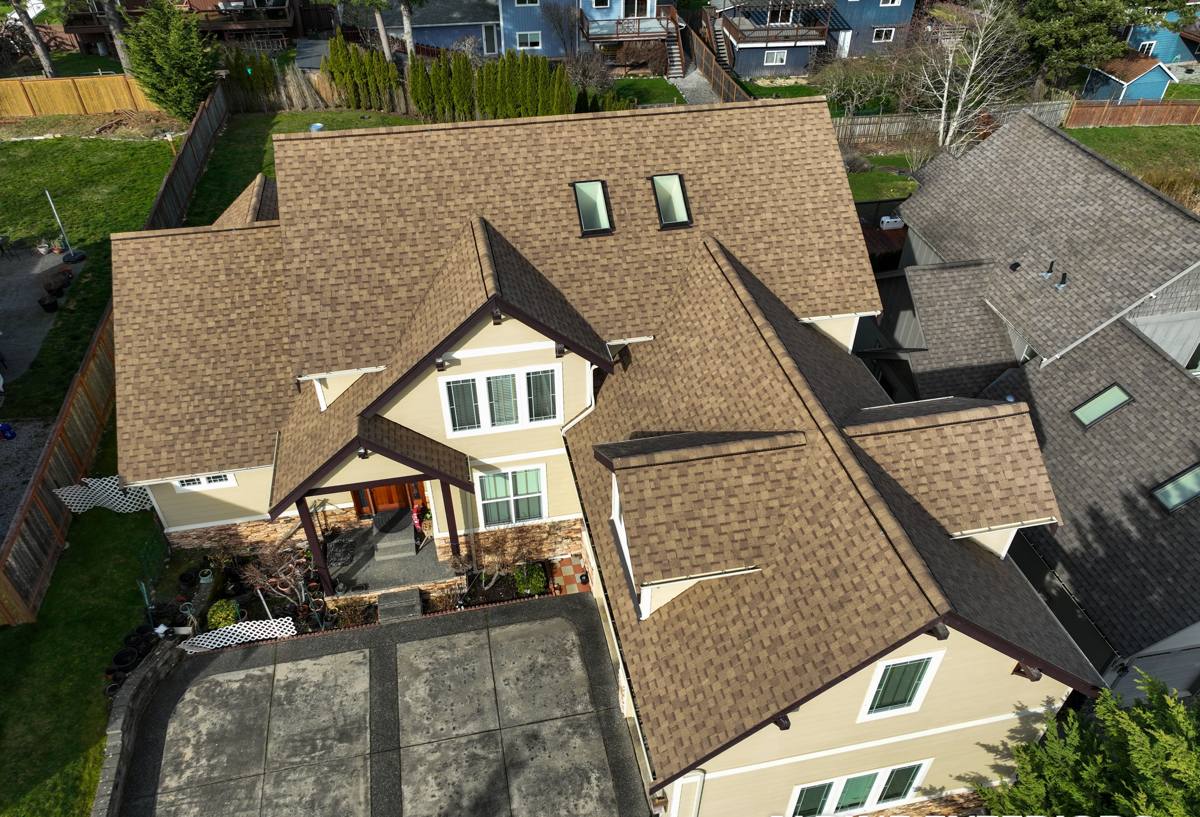
What Sarasota County's Climate Does to a Roof
Wind
Tropical-storm-force gusts don't need to be a named hurricane to cause damage. Repeated wind events loosen shingle tabs, lift ridge caps, and stress the nail line along the field of the roof. Once a shingle edge lifts even slightly, the next storm gets underneath it, and the damage compounds fast.
UV Exposure
Central Florida sun is relentless. Asphalt shingles lose their oils and granules faster here than in most of the country, which shows up as brittleness, curling edges, and granule loss in the gutters. UV also breaks down exposed sealants and pipe boot rubber years before their rated lifespan.
Wind-Driven Rain
Florida rain rarely falls straight down during a storm. When it comes in sideways, it finds any gap in flashing, any nail that's backed out, or any valley where debris has built up, and it pushes water uphill under the shingles instead of running off. This is why so many "mystery leaks" trace back to flashing and valley details rather than the shingles themselves.
Humidity and Heat Cycling
Sarasota's daily swing between hot afternoons and humid, cooler nights causes materials to expand and contract constantly. Over years, that cycling works fasteners loose and stresses seams at penetrations like vents, skylights, and chimneys.
The Roof Problems We Most Often Find in Fruitville
- Lifted or missing shingle tabs along roof edges and hip lines, usually after a windy stretch
- Cracked or dried-out pipe boots letting water track down into the attic around plumbing vents
- Rusted or improperly lapped flashing at wall-to-roof transitions and chimneys
- Debris-clogged valleys that back water up under the shingle courses
- Nail pops from thermal cycling, which show up as small raised bumps or cracked shingles
- Soft or discolored decking under repeated small leaks that went unnoticed for months
- Worn-out ridge cap sealant, a common spot for slow leaks after UV breakdown
What a Correct Repair Actually Involves
A roof repair that actually holds up starts with an honest diagnosis, not a guess based on where the ceiling stain shows up. Water travels before it drips, so the visible damage inside a home is often several feet from the actual entry point on the roof.
Diagnosis First
We trace the leak or wind damage to its actual source — checking flashing, valleys, penetrations, and shingle condition around the affected area, not just the spot directly above the stain.
Matching Materials, Not Just Covering the Hole
A patch that doesn't match the existing shingle profile, color, and granule pattern stands out and can create a new weak seam. We match materials as closely as possible and tie new work into the existing roof system correctly, including proper shingle weaving and nail placement.
Underlayment and Decking Matter as Much as Shingles
If water has been getting in for a while, the decking underneath may be softened and the underlayment compromised even where the shingles look fine on the surface. A repair that only replaces visible shingles without checking what's underneath is a repair that will need to happen again.
Proper Flashing Work
Flashing is the single most common source of "recurring" leaks after a bad repair. It has to be correctly lapped with the shingle courses — flashing installed on top of shingles instead of properly integrated is a shortcut that fails in the next hard rain.
Our Repair Process
- Inspection. We walk the roof and the attic when accessible, checking decking, insulation, and any staining that points to entry location.
- Written scope. You get a clear explanation of what's actually damaged, what's causing it, and what the repair involves — no vague line items.
- Material matching. We source shingles or roofing material as close to your existing roof as possible for a repair that blends in rather than standing out.
- The repair. Damaged decking is replaced where needed, underlayment is restored, flashing is corrected, and shingles are properly integrated with the surrounding roof.
- Cleanup and check. Nails, old material, and debris are cleared from the yard and gutters before we call the job done.
Repair vs. Replacement: How We Help You Decide
Not every damaged roof needs to come off. But sometimes a repair is a short-term fix on a roof that's already near the end of its service life. Here's how we think through it:
| Factor | Leans Toward Repair | Leans Toward Replacement |
|---|---|---|
| Roof age | Under 12-15 years | Approaching or past 20 years |
| Damage extent | Localized (one area, one cause) | Scattered across multiple slopes |
| Shingle condition elsewhere | Still flexible, granules intact | Widespread curling, cracking, or granule loss |
| Decking condition | Solid, no soft spots found | Multiple areas of soft or rotted decking |
| Repair history | First or second repair | Third-plus repair in the same areas |
We'll always tell you honestly which side of that line your roof falls on. A roof that only needs a repair doesn't need to be replaced, and we're not going to tell you otherwise.
What Drives the Cost of a Repair
| Cost Factor | Why It Matters |
|---|---|
| Size and location of the damaged area | A single flashing repair costs far less than multiple sections of decking replacement |
| Roof pitch and accessibility | Steep or hard-to-access roofs take longer and require more safety setup |
| Decking condition underneath | Rotted decking has to be cut out and replaced before new shingles go down |
| Material match availability | Discontinued or uncommon shingle colors can affect sourcing and cost |
| Number of penetrations involved | Each vent, skylight, or chimney flashing adds labor to do correctly |
Broadly, small, localized repairs (a section of flashing, a few damaged shingles, a pipe boot) tend to be a modest expense measured in a few hundred dollars. Repairs involving decking replacement or multiple problem areas run higher. We'll give you a real number for your roof after we've actually looked at it — not a phone estimate based on square footage alone.
Why a Crew That Already Works Fruitville Matters
Roofing crews who work Sarasota County regularly know how local building department requirements apply to repairs, understand which shingle lines and colors are common on homes in this area for a better material match, and have a feel for how quickly small damage turns serious in this climate if it's not addressed before the next storm system rolls through. That local familiarity shows up in fewer surprises during the job and repairs that are scoped correctly the first time.
It also matters after the job. A crew based in the area is the crew you can actually reach if a question comes up down the road, not a company that did one job in your neighborhood and moved on.
Maintenance That Extends a Repair's Life
- Clear valleys and gutters of leaf and debris buildup at least twice a year, more often under oak trees
- Have your roof looked at after any major storm, even if nothing looks obviously wrong from the ground
- Watch for granules collecting in gutters or downspouts — a sign of accelerating shingle wear
- Keep an eye on ceiling corners and around skylights or chimneys for early staining
- Trim back tree limbs that can drop debris or scrape shingles during wind
- Don't ignore small nail pops or lifted tabs — they're inexpensive to fix now and expensive to ignore
Get a Straight Answer on Your Roof
If you're dealing with a leak, storm damage, or a roof that just needs a second look after years in the Sarasota sun, we're glad to come take a look. We'll give you a free, no-pressure estimate and an honest read on whether your roof needs a repair, a bigger fix, or nothing at all right now — just fill out the form below to get started.