 Sarasota Roofing
 A Barrier Island Puts Extra Demands on Siding
Longboat Key sits on a narrow barrier island between the Gulf of Mexico and Sarasota Bay, and that location changes what "good siding" means. Homes here take on salt-laden air almost every day of the year, not just during storms. Add in wind-driven rain off the Gulf, sustained hurricane-force gusts during the season, and some of the most intense, consistent UV exposure in Florida, and you have a combination that wears through weak siding systems fast — sometimes within a few years instead of a few decades.
We install siding across Sarasota County, and Longboat Key jobs get treated differently from the start. The material, the fastening, the flashing details, and the finish all have to account for an exposure level that inland Sarasota neighborhoods simply don't see.
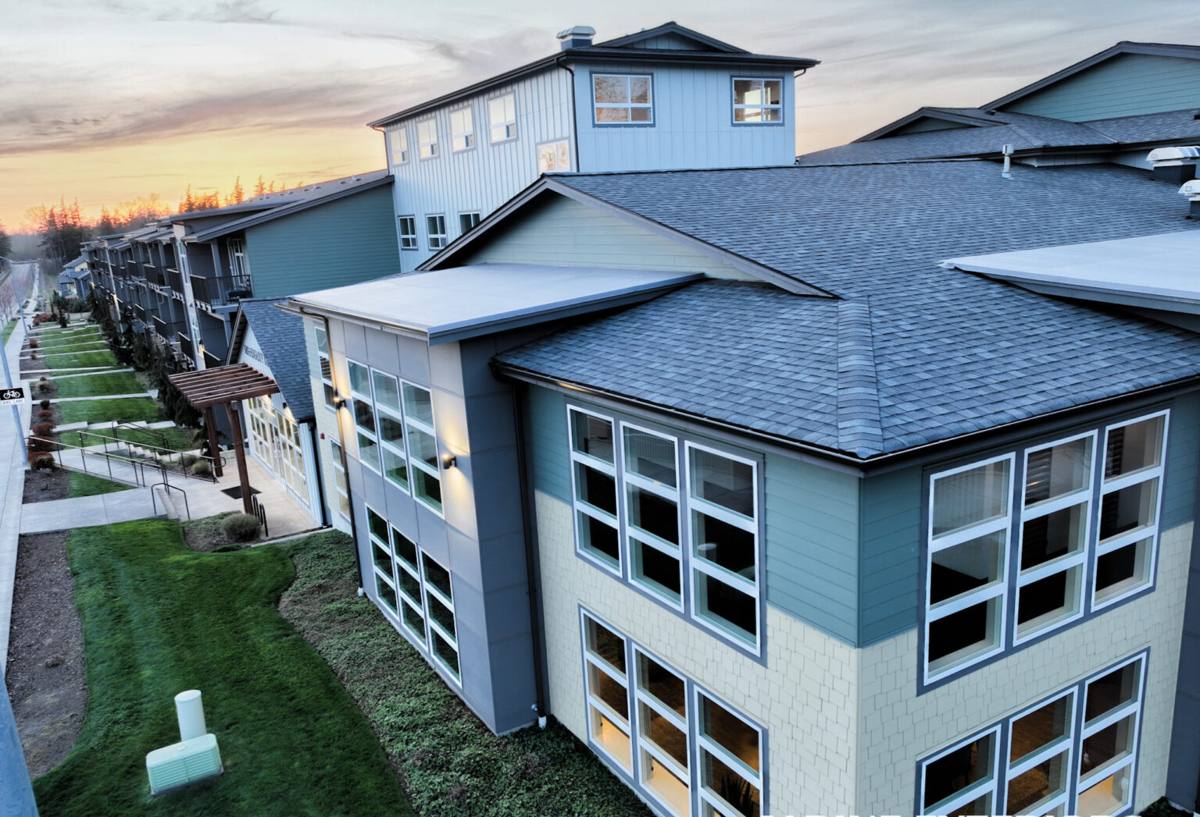
What Longboat Key Homes Actually Need From Their Siding
Before talking about brands or products, it helps to name the actual requirements a barrier-island home places on its exterior cladding:
- Resistance to salt corrosion on fasteners, trim, and the siding material itself
- A factory finish that holds its color under near-constant direct sun instead of chalking or fading within a few seasons
- Dimensional stability in high heat and humidity swings, so panels don't warp, buckle, or pull away from the wall
- Wind and impact performance rated for coastal design pressures, not just a general-purpose rating
- A material that doesn't feed mold, rot, or wood-boring insects when it stays damp after wind-driven rain
- Low ongoing maintenance, since a barrier-island property isn't always somewhere the owner can get to quickly for touch-ups
Very few siding products check all of these boxes at once. That's the reason our answer for Longboat Key is the same every time: James Hardie fiber cement, installed to the manufacturer's specification.
Why We Install James Hardie — and Only James Hardie
We don't install vinyl, LP SmartSide, primed wood, or cedar siding, on Longboat Key or anywhere else. That's a standard we hold across every job, and on a barrier island the reasoning is easier to see than almost anywhere else in our service area.
Vinyl
Vinyl is inexpensive and easy to install, and it has a place on plenty of homes. But it's a thinner, more flexible material that can soften and distort under sustained high heat and direct sun, and its overlapping panel seams give wind-driven rain more opportunities to find a way behind the cladding during a tropical system. On a coastal-exposure home, that's a real trade-off, not a hypothetical one.
Wood and cedar
Natural wood siding looks great when it's new, but it needs a real maintenance commitment — recoating, caulking, and monitoring for rot and pests — and salt air accelerates every one of those problems. On a property that isn't checked on daily, that maintenance burden adds up quickly.
Engineered wood (LP SmartSide and similar)
Engineered wood products have improved over the years, but they're still wood-based at the core, which means cut edges, fastener penetrations, and any breach in the factory coating are places moisture can get in and cause swelling or deterioration over time. In a climate with this much humidity and wind-driven rain, that sensitivity matters more than it would somewhere drier.
James Hardie fiber cement
Hardie's HardiePlank and HardiePanel products are made from cement, sand, and cellulose fibers — a composition that doesn't rot, doesn't feed termites, and is non-combustible. Hardie also engineers specific product lines (its "HZ" designations) for different climate zones, and homes in our part of Florida fall into the higher-moisture HZ5 category, meaning the product itself is formulated for exactly the humidity and rain exposure Longboat Key deals with. The factory-applied ColorPlus finish is baked on and warranted against fading and peeling far longer than a field-applied paint job holds up under direct Gulf Coast sun. It's not the cheapest option on the shelf, but it's the one we're willing to put our name on for barrier-island exposure.
What a Correct Installation Actually Involves
Fiber cement siding is only as good as its installation. A rushed or generic install can undercut even the best product, and on a home that takes this much weather, mistakes show up faster than they would elsewhere. A correct job includes:
- A continuous weather-resistive barrier behind the siding, installed and lapped correctly at every seam
- Proper clearances from grade, roof lines, decks, and other flat surfaces so panels aren't sitting in standing water or trapped moisture
- Corrosion-resistant fasteners, sized and spaced to Hardie's published fastening schedule for our wind zone — not a generic pattern
- Correct flashing at every window, door, and penetration, installed in the right sequence relative to the water barrier
- Factory-cut or properly sealed field cuts, since an unsealed cut edge is where fiber cement is most vulnerable to moisture
- Caulking only where Hardie's installation instructions call for it — over-caulking traps moisture just as often as under-caulking lets it in
- Compliance with Florida Building Code wind-load provisions and the product's Florida product approval documentation
Every one of these steps is spelled out in James Hardie's published installation instructions, and skipping or shortcutting any of them can void the manufacturer's warranty — which defeats the point of choosing a premium product in the first place.
Comparing Siding Options for a Longboat Key Property
| Factor | Vinyl | Wood / Cedar | James Hardie Fiber Cement |
|---|---|---|---|
| Salt air tolerance | Moderate — hardware and fasteners corrode faster | Low — moisture and salt accelerate rot | High — non-combustible, doesn't rot |
| Wind-driven rain resistance | Depends on seam sealing; can allow intrusion | Depends heavily on maintenance condition | Strong when installed to spec, with correct flashing |
| UV / color stability | Can fade or chalk over time | Needs repainting or restaining on a cycle | Factory ColorPlus finish, long fade warranty |
| Ongoing maintenance | Low, but limited repair options if damaged | High — regular sealing and pest monitoring | Low — occasional washing, minimal upkeep |
| Fire performance | Combustible | Combustible | Non-combustible |
How We Handle Longboat Key Projects
Working on the Key comes with logistics that don't apply to a mainland Sarasota job. We plan around the island's limited access points, staging materials and equipment so they don't block traffic or neighboring driveways. Many Longboat Key properties fall under an association or architectural review process for exterior changes, so we build that approval timeline into the schedule from the start rather than showing up ready to work and then waiting. Permitting runs through the Town of Longboat Key's building department, and we handle that submission as part of the job.
On the technical side, our process is consistent whether it's a full re-side or a partial repair:
- On-site assessment of the existing siding, sheathing, and any moisture damage behind it
- Tear-off and inspection of the wall assembly before anything new goes up — this is where hidden rot or water intrusion gets caught
- Repair of any compromised sheathing before the weather barrier and new siding are installed
- Installation of James Hardie products to manufacturer specification, sized and fastened for our coastal wind zone
- Final detailing at trim, corners, and penetrations, followed by site cleanup
We also schedule with hurricane season in mind. Starting a tear-off without a realistic path to getting the home weathered-in before a storm system approaches is how homeowners end up with real damage instead of a planned renovation, and we plan our timelines accordingly.
Before You Hire Anyone for Siding on the Key
A barrier-island siding job is not the place to shop on price alone. Before signing a contract, it's worth confirming:
- The contractor is licensed and insured to work in Florida, and can show current documentation
- They can explain the specific fastening and clearance requirements for the product they're proposing — not just "we've done this before"
- They're familiar with Longboat Key's permitting process and, if applicable, association review requirements
- The proposal names the exact product line, not just "fiber cement siding" as a generic category
- They're willing to put the manufacturer's warranty terms in writing, since improper installation can void it
- They have a realistic plan for weathering the home in if a storm threatens mid-project
Living With Fiber Cement Siding on a Coastal Property
One of the practical advantages of James Hardie siding on a barrier-island home is how little it asks of you afterward. An occasional rinse to clear salt residue and organic buildup is normal maintenance — it's not a repainting or resealing schedule. Because the color is factory-applied rather than field-painted, it holds up under the kind of sun exposure that fades or chalks lesser finishes within a handful of years. That matters on a property where you may not be checking on maintenance needs every week.
If you're weighing a full re-side against patch repairs, the honest answer depends on how much of the existing siding shows signs of moisture damage, warping, or fastener failure — issues that tend to be more widespread than they first appear once a wall is opened up. A proper assessment before committing to either approach saves money in the long run.
If you're considering siding work on a Longboat Key property, we're happy to take a look and walk you through what your home actually needs — no pressure, no generic sales pitch. Request a free estimate below and we'll go from there.