 Sarasota Roofing
 Why Longboat Key Siding Takes a Harder Hit Than Most
Longboat Key sits out on a barrier island, with homes facing the Gulf of Mexico on one side and Sarasota Bay on the other. That position is what makes the island beautiful, and it's also what makes siding on Longboat Key work harder than siding almost anywhere else in Sarasota County. Salt-laden air moves through constantly, carrying moisture and fine salt particles that settle on exterior walls and accelerate corrosion of fasteners, trim, and any material that isn't built to resist it. Add in intense year-round UV exposure, wind-driven rain that gets forced sideways into seams and joints during storms, and the risk of hurricane-force winds during the season, and you have a combination that ages ordinary siding faster than it would age inland.
None of that means siding on Longboat Key is a lost cause — it means the material and the installation both have to be matched to the environment. A product and a crew that would be perfectly adequate in a low-humidity, low-wind part of the country can fall short here within a few years. We approach every Longboat Key project with that reality built into the plan from the first estimate.
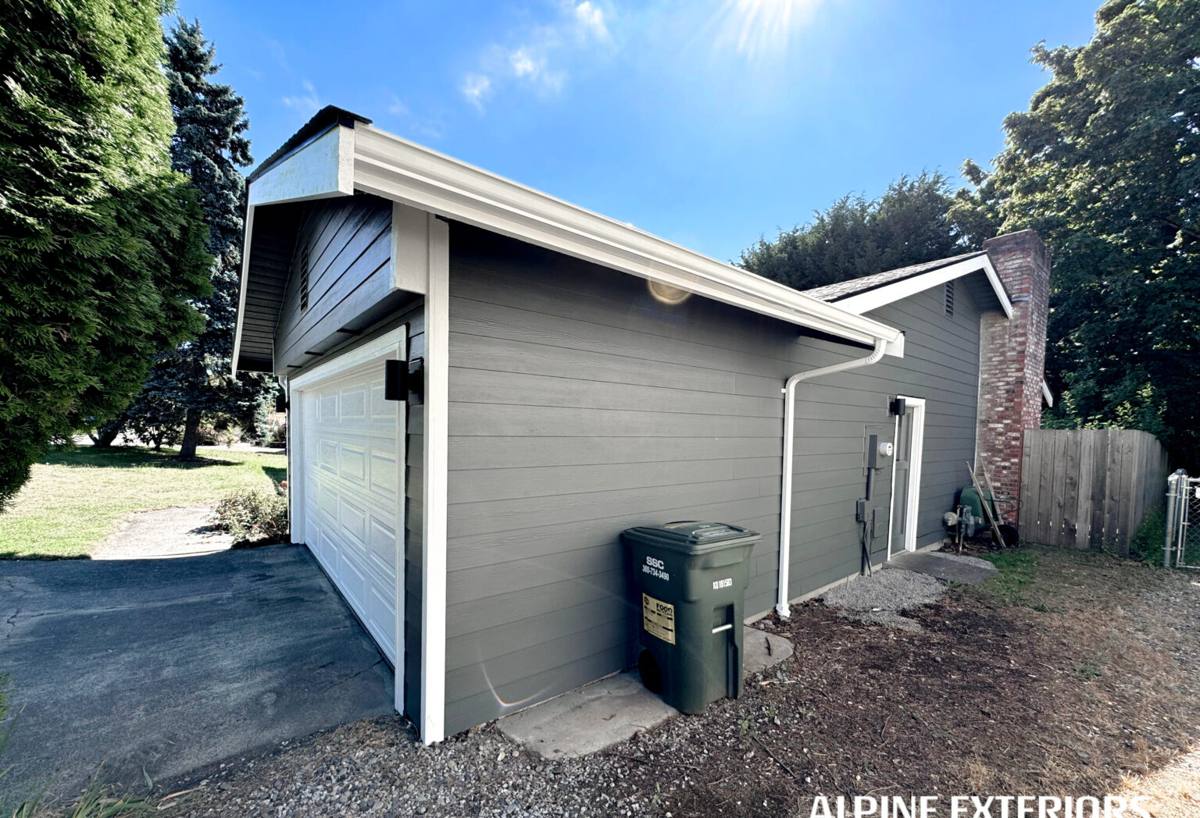
Signs Your Home Needs Full Replacement, Not Just a Repair
Not every siding problem calls for a full tear-off. But there's a point where patching individual boards stops being cost-effective and starts being a way to delay an inevitable full replacement. Homeowners on Longboat Key should watch for:
- Cracking, splitting, or buckling boards, especially on the sides of the home that take the most sun and salt spray
- Soft spots or visible sagging, which usually mean moisture has reached the substrate underneath
- Paint that's failing across large sections rather than in isolated spots
- Rot or discoloration concentrated at butt joints, corners, and around window and door trim
- A noticeable jump in cooling costs, which can point to a compromised weather barrier letting heat and humidity into the wall cavity
- Siding that flexes or feels hollow when pressed, a sign the material has lost structural integrity
If the damage is limited to one or two boards and the rest of the wall system is sound, a repair may be reasonable. If it's showing up in multiple places, or if the siding is old enough that one failure is likely to be followed by others, replacement is usually the more honest recommendation — and it's the one we'll give you even if a smaller repair would be the easier sale.
What a Correct Siding Replacement Actually Involves
Full Tear-Off and Substrate Inspection
A proper replacement starts with removing the old siding completely, not covering over it. That's the only way to actually see the sheathing underneath. On a barrier island home, this step matters more than usual — years of humidity and any past moisture intrusion can leave soft or compromised sheathing that needs to be addressed before new siding ever goes up. Skipping this inspection is one of the most common ways a siding job looks fine on day one and fails within a few years.
Weather-Resistive Barrier and Flashing
Behind the siding, a correctly installed weather-resistive barrier and properly lapped flashing at every window, door, and penetration are what actually keep wind-driven rain out of the wall assembly. Siding sheds most of the water, but flashing and the barrier behind it are the real defense against the sideways rain that barrier island storms produce. Getting these details right takes more time than a rushed install allows for, which is exactly why it's worth asking a contractor to explain their approach before they start.
Manufacturer-Spec Fastening
Fiber cement siding has specific fastening requirements — nail or screw type, spacing, and placement all affect both wind performance and long-term durability. In a high-wind coastal zone, following the manufacturer's fastening schedule to the letter isn't optional paperwork; it's the difference between siding that holds through a tropical storm and siding that doesn't.
Trim, Caulking, and Finish Work
The last stage is where a job either looks and performs like it should for decades, or starts showing problems within a couple of seasons. Correct trim details, properly sized gaps for material expansion, and marine-grade sealant at joints and penetrations all matter more in a salt-air climate than they would somewhere drier and calmer.
Why We Install Only James Hardie Fiber Cement on Longboat Key Homes
We made a decision as a company to install James Hardie fiber cement siding exclusively — we don't install vinyl, LP SmartSide, or wood siding. That's not a marketing position; it's a practical one, based on how those materials tend to hold up in exactly the conditions Longboat Key delivers. Vinyl can soften, warp, or become brittle under sustained heat and UV, and it isn't rated for the wind speeds a barrier island can see. Wood siding needs an ongoing maintenance commitment to fight moisture and rot in a humid, salt-air environment, which is a real cost most homeowners underestimate when they choose it.
James Hardie's HZ5 product line is engineered specifically for high-humidity, high-wind coastal climates like this one. It's non-combustible, resists moisture-driven swelling and rot far better than wood-based products, and comes with a factory-applied ColorPlus finish that's baked on rather than field-painted, which holds color and resists fading longer under constant Florida sun. It also carries a strong transferable warranty when installed to the manufacturer's specifications — which circles back to why correct installation, not just the material choice, is what actually determines how the siding performs over time.
Our Siding Replacement Process, Start to Finish
We keep the process straightforward so you know what to expect at every stage:
- On-site assessment — we walk the exterior, check the substrate where accessible, and talk through what we're seeing with you directly.
- Material and color selection — choosing the right Hardie profile and ColorPlus color for your home's style and exposure.
- Permitting — pulling the required permits and confirming the project meets local wind-load and building code requirements.
- Tear-off and disposal — removing old siding and any compromised material, with responsible cleanup and disposal.
- Substrate repair — addressing any sheathing or framing issues found once the old siding is off, before new material goes up.
- Installation — barrier, flashing, and siding installed to manufacturer spec, with attention to every joint and penetration.
- Final inspection and walkthrough — going over the finished work with you before we call the job done.
We give you a realistic timeline up front and communicate if weather — which is a real factor on a barrier island — pushes any part of the schedule.
What Drives the Cost of a Longboat Key Siding Project
Every home is different, and we won't quote a number without seeing the property, but these are the main factors that move the price up or down on Longboat Key jobs specifically:
| Factor | Why It Matters Here |
|---|---|
| Home size and wall complexity | More square footage and more corners, dormers, and architectural detail mean more material and labor time |
| Condition of the existing substrate | Salt air and humidity increase the chance of hidden sheathing damage that needs repair before new siding goes on |
| Site access | Bay-front and Gulf-front lots, narrow lots, and condo or association properties can affect staging, equipment access, and scheduling |
| Trim and architectural detail | Extensive trim work and custom detailing take more time to fit and finish correctly |
| Color and profile selection | Some ColorPlus colors and Hardie profiles carry different material costs |
| Permitting and wind-load documentation | Coastal high-velocity hurricane zone requirements can add engineering or documentation steps depending on the property |
Why It Matters to Hire a Crew That Already Works This Island
Longboat Key isn't like a typical inland Sarasota County neighborhood, and a contractor's mainland experience doesn't automatically carry over. Getting equipment, materials, and crews on and off the island takes planning around bridge access and limited staging space, especially on narrower lots. Many properties are part of condo associations or homeowners associations with their own approval processes and exterior standards, and a crew that's navigated that before can keep your project from stalling on paperwork. Permitting officials who review coastal high-velocity hurricane zone requirements expect installations that genuinely meet the wind-load and moisture-management standards for the area — not just a standard mainland install applied to a barrier island home.
There's also a practical difference between a Gulf-front elevation, which takes the brunt of salt spray and open wind, and a bay-side elevation, which faces its own combination of humidity and afternoon sun. A crew that's worked both sides of the island knows to adjust flashing, fastening, and finish details accordingly rather than treating every wall the same way.
Protecting Your Investment After Installation
New siding is a long-term investment, and a little routine attention goes a long way toward protecting it in this climate. We recommend:
- Rinsing exterior walls periodically to remove accumulated salt spray, especially on Gulf-facing sides
- Inspecting caulking and sealant at trim, windows, and joints once a year and having any gaps addressed promptly
- Checking siding after major storms for any cracked boards, loosened fasteners, or displaced trim
- Keeping landscaping and irrigation from spraying directly onto siding or trapping moisture against walls
- Scheduling a professional walk-around every few years, even if nothing looks obviously wrong
ColorPlus factory finish is engineered to hold up to UV and salt air longer than field-applied paint, but that doesn't mean the installation can be ignored — caulking, trim, and flashing are the parts most likely to need attention over time, and catching small issues early is what keeps them small.
If your Longboat Key home's siding is showing its age, or you're planning ahead of the next storm season, we're happy to take a look and give you a straightforward, no-pressure estimate — just fill out the form below to get started.