 Sarasota Roofing
 Roof Repair for University Park Homes
University Park sits inland from the Gulf but still takes the full brunt of what Sarasota County weather delivers every year. Whether your home has a tile roof, a dimensional shingle roof, or something in between, the roof over your head is doing constant, quiet work against sun, wind, and water. Most of the time it holds up fine. But small problems — a cracked tile, a lifted shingle tab, a flashing seam that's opened up a hairline gap — don't stay small if they're ignored through another rainy season or storm cycle.
This page is about roof repair specifically, not full replacement. A repair is the right call far more often than homeowners expect, but only if it's done correctly: matched to the existing roof system, sealed the way the manufacturer actually specifies, and inspected honestly so you're not paying to patch a roof that's already past the point where patching makes sense.
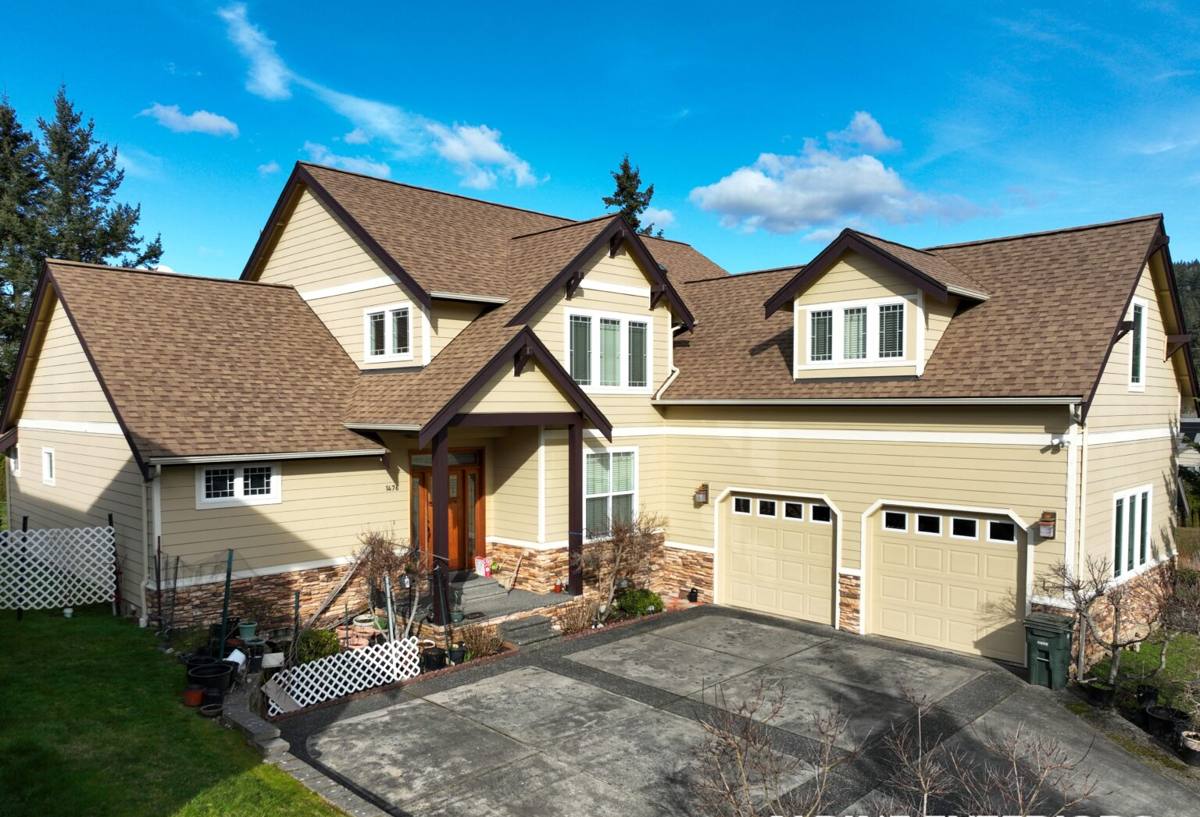
What Sarasota County's Climate Does to a Roof
Roofs in this part of Florida age differently than roofs almost anywhere else in the country, and it's worth understanding why before you decide how to handle a repair.
Hurricane-force wind
Wind doesn't just push on a roof — it gets underneath it. Once wind finds a lifted shingle edge, a loose tile, or a weak point at a ridge or hip, it works that opening wider with every gust. A repair that doesn't address the underlying fastening or sealant, and just covers the visible damage, tends to fail again in the next round of weather.
Wind-driven rain
Florida rain rarely falls straight down during a storm. Wind pushes it sideways and up under laps, around vent pipes, and into any gap in flashing. That's why leaks so often show up somewhere other than where the actual damage is — water travels along the underlayment or decking before it finds a way into the attic or ceiling.
Year-round UV exposure
Constant sun bakes the oils and plasticizers out of shingles and dries out sealants and pipe boot collars faster than in cooler climates. A roof that looks fine from the ground can have brittle, cracked flashing sealant that's a leak waiting to happen.
Salt air
Even set back from the coast, University Park gets salt-laden air that accelerates corrosion on exposed fasteners, flashing, and metal roof accessories. Rusted nail heads and corroded valley metal are common failure points we look for on any repair call in this area.
Common Repair Issues We Find in University Park
The exact problem depends on the roof type, but a few issues come up again and again on service calls in this community.
Tile roofs
Cracked or slipped tiles are usually caused by wind uplift, foot traffic from other trades (cable, satellite, solar installers), or age-related brittleness. The tile itself is often fine to reuse — the real repair is in the underlayment beneath it, which is the part that actually keeps water out. Replacing a cracked tile without checking the underlayment underneath it only fixes half the problem.
Shingle roofs
Lifted or missing tabs, exposed nail heads, and cracked pipe boots are the most common calls. On older shingle roofs, granule loss around repair areas can make it hard to find a close color match — we're upfront with homeowners when a repair will be visible rather than promising a seamless blend.
Flashing and penetrations
Chimneys, skylights, vent stacks, and roof-to-wall transitions are where most leaks actually originate, regardless of roof type. Flashing failures are frequently mistaken for "roof leaks" when the field of the roof is completely sound.
Valleys and low-slope areas
Valleys carry more water than any other part of the roof and take more wear. Low-slope sections and porch or lanai roof tie-ins are also common trouble spots because they drain slower and give wind-driven rain more time to work into a seam.
What a Correct Roof Repair Actually Involves
A repair done right is more than sealing over the spot where water is showing up inside the house. Our process on every repair includes:
- Confirming the actual source of the leak or damage, not just the visible symptom
- Checking the underlayment condition, not just the surface material
- Matching materials — tile profile and color, shingle type and weight, flashing metal — as closely as possible to what's already on the roof
- Re-sealing and re-fastening to the same standard as new installation, not a temporary patch
- Checking adjacent areas for related damage before calling the job done
- Cleaning up debris, old nails, and broken tile or shingle pieces from the roof and gutters
Skipping any of these steps is how a "fixed" leak reappears eighteen months later in a slightly different spot.
Our Repair Process, Start to Finish
1. Inspection
We look at the reported problem area first, then walk the full roof. A leak inside the house doesn't always mean the damage is directly above where the stain shows up, so a full inspection matters even for a single reported issue.
2. Honest diagnosis
We tell you what we actually find — including if a repair isn't the right long-term answer because of the roof's overall age or condition. We'd rather lose a repair job than sell one that won't hold.
3. Written scope and estimate
Before any work starts, you know what's being repaired, with what materials, and what it costs. No surprise add-ons once we're already on the roof.
4. The repair itself
Work is done to the same fastening and sealing standards used in new construction — not a shortcut version because it's "just a repair."
5. Cleanup and walk-through
We clear the site of debris and old materials and walk you through what was done before we consider the job finished.
Repair or Replace? How to Tell
Not every roof problem in University Park calls for a full replacement, but not every problem should be patched either. Here's how we help homeowners think through it.
| Situation | Repair usually makes sense | Replacement should be considered |
|---|---|---|
| Roof age | Well within expected lifespan for the material | Near or past the material's typical service life |
| Damage extent | Isolated to one area or a small number of spots | Widespread across multiple slopes or sections |
| Underlayment condition | Still intact and flexible | Brittle, torn, or failing in multiple places |
| Leak history | First occurrence or isolated event | Repeated leaks in different spots over time |
| Storm damage | Limited to specific impact points | Uplift or damage across a large portion of the roof |
We'll always give you our honest read on which column your roof falls into, and why.
What Affects the Cost of a Roof Repair
We don't publish flat repair prices because the honest answer is "it depends," but the factors that actually move the number are consistent from job to job.
| Factor | Why it matters |
|---|---|
| Roof material | Tile repair generally costs more than shingle due to material handling and matching |
| Roof access and pitch | Steeper roofs and harder access take more time and safety setup |
| Extent of hidden damage | Underlayment or decking damage found once tile or shingles are lifted adds scope |
| Material matching | Discontinued tile profiles or faded shingle colors can require sourcing or compromise |
| Number of separate repair areas | Multiple unrelated trouble spots cost more than one contained repair |
We walk through these factors with you during the estimate so the final number makes sense, rather than handing over a quote with no explanation behind it.
Why Local Experience in University Park Matters
Roofing crews that mainly work outside this area sometimes underestimate what Sarasota County conditions do to a roof, or they carry material stock suited to a different climate. A crew that already does regular work in University Park brings a few practical advantages:
We're familiar with the mix of roof types common to the community and know what to check first based on age and construction style. We understand that homes here are often on quick response schedules when storm season damage happens, and we plan our material stock and scheduling around that reality rather than treating it as an afterthought. And because we're already working in the area, we're not padding a repair estimate with a long-distance travel premium.
A Simple Roof Maintenance Checklist
Between service calls, a few habits go a long way toward catching small problems before they become repair jobs — or repair jobs before they become replacements.
- Walk the property after any significant wind event and look for tiles or shingles on the ground
- Check attic spaces after heavy rain for any sign of moisture or staining
- Keep gutters and valleys clear of leaves and debris, especially after storms
- Have pipe boots and flashing sealant checked every couple of years — UV breaks these down faster than most homeowners expect
- Don't ignore a small ceiling stain assuming it will dry out and go away on its own
- Avoid unnecessary foot traffic on tile roofs from other service providers when possible
If you're noticing a leak, missing tiles or shingles, or just want a second opinion on something a home inspection flagged, we're happy to take a look. Reach out for a free, no-pressure estimate — we'll give you a straight answer about what your roof actually needs.