 Sarasota Roofing
 Downtown Sarasota's Climate Is Rough on Siding
Homes in Downtown Sarasota sit close to Sarasota Bay and the Gulf of Mexico, which means the siding on those homes takes a beating most inland Florida properties never see. Salt-laden air corrodes fasteners and trim over time. Intense, near year-round UV exposure breaks down paint films and cheaper composite materials faster than most homeowners expect. Wind-driven rain during summer storms and hurricane season pushes water sideways into seams and laps that were never designed to handle it, and tropical-storm or hurricane-force winds put real uplift and impact stress on every panel and fastener.
None of that is unique to any one house — it's the baseline for the barrier islands and downtown core alike. What it means practically is that siding choice and installation quality matter more here than in most parts of the country. A product or installation that would hold up fine in a drier, calmer climate can fail within a handful of years on a Downtown Sarasota lot.
What Downtown Sarasota Homes Need From Their Siding
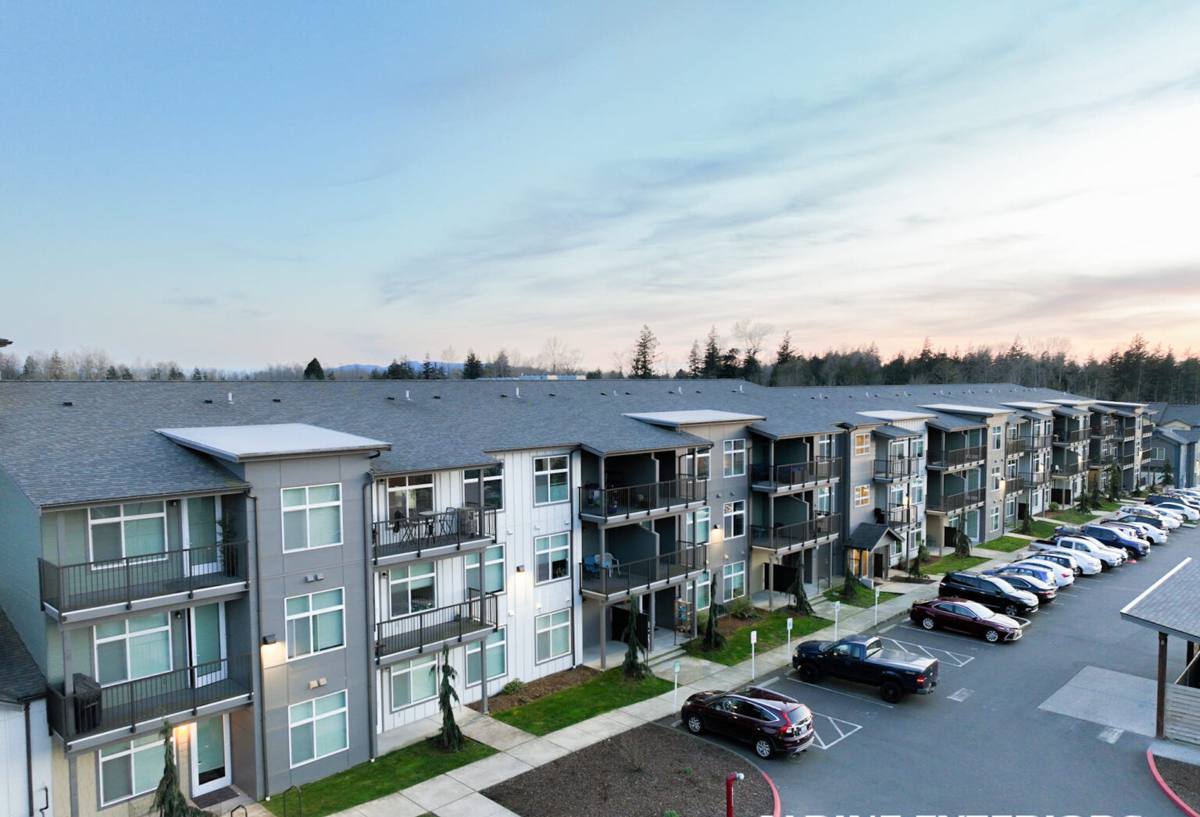
Downtown Sarasota's housing stock is a mix — older bungalow and cottage-style homes alongside newer infill construction and multi-story builds, many on tight urban lots with limited setbacks and mature tree canopy nearby. That combination creates a specific set of demands:
- Moisture resistance that doesn't rely on paint alone. Salt air and humidity accelerate the breakdown of surface coatings, so the material underneath has to hold up even as the finish ages.
- Dimensional stability. Sarasota's swings between hot, humid summers and cooler, drier winters cause repeated expansion and contraction. Materials that move too much telegraph that stress into cracked caulk lines and buckled panels.
- Wind and impact resistance. Downtown lots are exposed to gusts funneled between buildings and open bay-facing exposure in places, and wind-borne debris is a real hurricane-season risk.
- Compatibility with historic and traditional architectural lines. Many Downtown Sarasota homes have a defined architectural character, whether classic Florida cottage or coastal contemporary, and the siding profile needs to respect that rather than fight it.
Why We Install James Hardie Fiber Cement — and Nothing Else
We made a decision as a company to install James Hardie fiber cement siding exclusively. We don't install vinyl, LP SmartSide, Cemplank, Allura, or primed wood species like spruce or cedar. That's not a marketing position — it's a standard we hold because of what we've seen these materials do, and not do, in coastal Florida conditions over time.
Fiber cement is non-combustible, which matters in a state where wildfire and lightning-strike risk exist alongside hurricane risk. James Hardie engineers its products by climate zone — Sarasota falls in the HZ5 zone, meaning the boards are formulated for high humidity, heat, and moisture exposure rather than a one-size-fits-all national product. The factory-applied ColorPlus finish is baked on under controlled conditions, which holds up to UV and salt air significantly better than field-applied paint on wood or composite substrates, and it comes with its own finish warranty separate from the product warranty. Combined with a strong, transferable substrate warranty, that's a system built for exactly the conditions Downtown Sarasota homes face — not a compromise we're asking homeowners to accept.
What a Correct Siding Installation Actually Involves
Fiber cement siding is only as good as the installation behind it. Most siding failures we get called out to inspect — regardless of brand — trace back to installation shortcuts, not the material itself. A correct James Hardie installation on a Downtown Sarasota home includes:
Water Management Before the First Board Goes Up
A weather-resistive barrier goes on the sheathing first, with proper flashing at every window, door, and penetration so water is directed out and down rather than trapped behind the siding. This is the step that determines whether wind-driven rain becomes a cosmetic non-issue or a hidden rot problem five years from now.
Correct Clearances and Fastening
Siding needs proper clearance from grade, roof lines, decks, and other horizontal surfaces so water can't wick up into the board ends. Fasteners need to be corrosion-resistant and driven to Hardie's specified pattern and depth — over-driven or under-driven nails are one of the most common causes of premature panel movement and cracking, especially in a climate with this much thermal cycling.
Sealed and Caulked Joints, Not Just Butted Boards
Every seam, corner, and penetration gets treated as a place water will try to get in. Manufacturer-approved sealants and correctly lapped joints matter far more here than in a mild climate, because Downtown Sarasota gets both intense sun and heavy wind-driven rain, sometimes within the same week.
Attention to Existing Structure
On older Downtown Sarasota homes, that means checking sheathing and framing condition before covering it back up — there's no value in installing a 30-plus-year siding system over compromised wood.
Our Process for Downtown Sarasota Projects
We keep the process straightforward and transparent from the first visit to the final walkthrough:
- On-site assessment. We look at your home's current siding condition, structure, drainage, and any problem areas — not just square footage.
- Product and profile selection. We walk through James Hardie's plank, panel, and shingle profiles and ColorPlus color options that fit your home's architecture and any neighborhood or HOA considerations.
- Prep and removal. Old siding comes off, sheathing is inspected and repaired as needed, and a proper weather-resistive barrier and flashing package goes on before anything new is installed.
- Installation to manufacturer spec. Boards are fastened, sealed, and finished according to James Hardie's installation requirements — the same requirements that keep the product warranty intact.
- Final inspection and walkthrough. We check clearances, seams, and finish quality with you before calling the job done.
Cost Factors for Downtown Sarasota Siding Projects
Every home is different, but the variables that most affect price and timeline on Downtown Sarasota projects are consistent:
| Factor | Why It Matters Here |
|---|---|
| Home size and wall complexity | More corners, gables, and trim details mean more cutting, flashing, and labor time. |
| Existing siding removal | Tear-off and disposal of old material adds time, especially on older downtown homes with multiple prior layers. |
| Sheathing and framing condition | Salt air and past moisture intrusion sometimes mean hidden repairs are needed before new siding can go on correctly. |
| Access and lot constraints | Tight urban lots, close neighboring structures, and mature landscaping can slow staging and installation. |
| Product profile and finish | Plank, shingle, and panel profiles, plus ColorPlus finish selections, carry different material costs. |
| Trim, fascia, and soffit work | Many projects bundle in matching trim and fascia replacement for a consistent, fully weatherproofed exterior. |
We give a firm, itemized estimate after the on-site assessment — not a rough number based on square footage alone — because on older downtown homes, the condition of what's underneath the existing siding often matters as much as the siding itself.
Why Hiring a Crew That Already Works Downtown Sarasota Matters
Downtown Sarasota isn't a generic suburban subdivision. It's a mix of building ages, lot sizes, and architectural styles concentrated close to the water, which means the moisture, wind, and access challenges show up differently house to house. A crew that regularly works this specific area has already seen how salt air affects fastener choice on a bay-facing wall, how tight lot lines change staging and scaffolding decisions, and how older sheathing in this part of the city tends to hold up under the siding that's currently on it. That local pattern recognition shortens the assessment phase and reduces the odds of surprises mid-project.
It also matters for something less tangible: accountability. A contractor working Downtown Sarasota regularly has a reputation in the neighborhood to maintain, not just a one-time job to finish and move on from.
Questions to Ask Before You Hire Anyone for This Job
- Are they installing manufacturer-approved flashing and weather-resistive barrier details, or just nailing panels to existing sheathing?
- Do they carry manufacturer certification or training specific to fiber cement installation?
- Will they inspect and repair sheathing and framing before new siding goes on, not after problems show up?
- Is the product warranty transferable, and does the installer's workmanship warranty cover a meaningful period?
- Can they explain, specifically, why they recommend one siding material over another for a home in this exact location — not just in general terms?
If a contractor can't give clear, specific answers to those questions, that's worth taking seriously before signing anything.
Let's Look at Your Home
If your Downtown Sarasota home's siding is showing its age — fading, cracking, soft spots, or visible wear from sun and salt air — we're happy to come take a look and give you a straightforward, no-pressure estimate for a James Hardie fiber cement installation built for what this location actually demands. Fill out the form below and we'll set up a time to assess your home.