 Sarasota Roofing
 Why Palmer Ranch Homes Need a Different Kind of Window
Palmer Ranch sits in one of the more demanding climates in the country for exterior building products. Homes here run air conditioning nearly year-round, sit exposed to intense subtropical sun for most daylight hours, and are close enough to the Gulf that salt-laden air reaches window frames and hardware even several miles inland. On top of that, Sarasota County enforces some of the strictest wind-load and impact requirements in Florida because this stretch of coast is squarely in hurricane territory. A window that works fine in a mild climate simply isn't built for what a Palmer Ranch home has to withstand every single day, long before a storm ever shows up.
Energy-efficient windows done right in this neighborhood have to solve two problems at once: keep heat, UV, and humidity out so the HVAC system isn't fighting a losing battle, and hold up structurally against wind-driven rain and pressure changes during severe weather. Treat those as separate problems and you end up with a window that's efficient but not durable, or durable but a poor performer on your power bill. The right product and installation approach handles both.
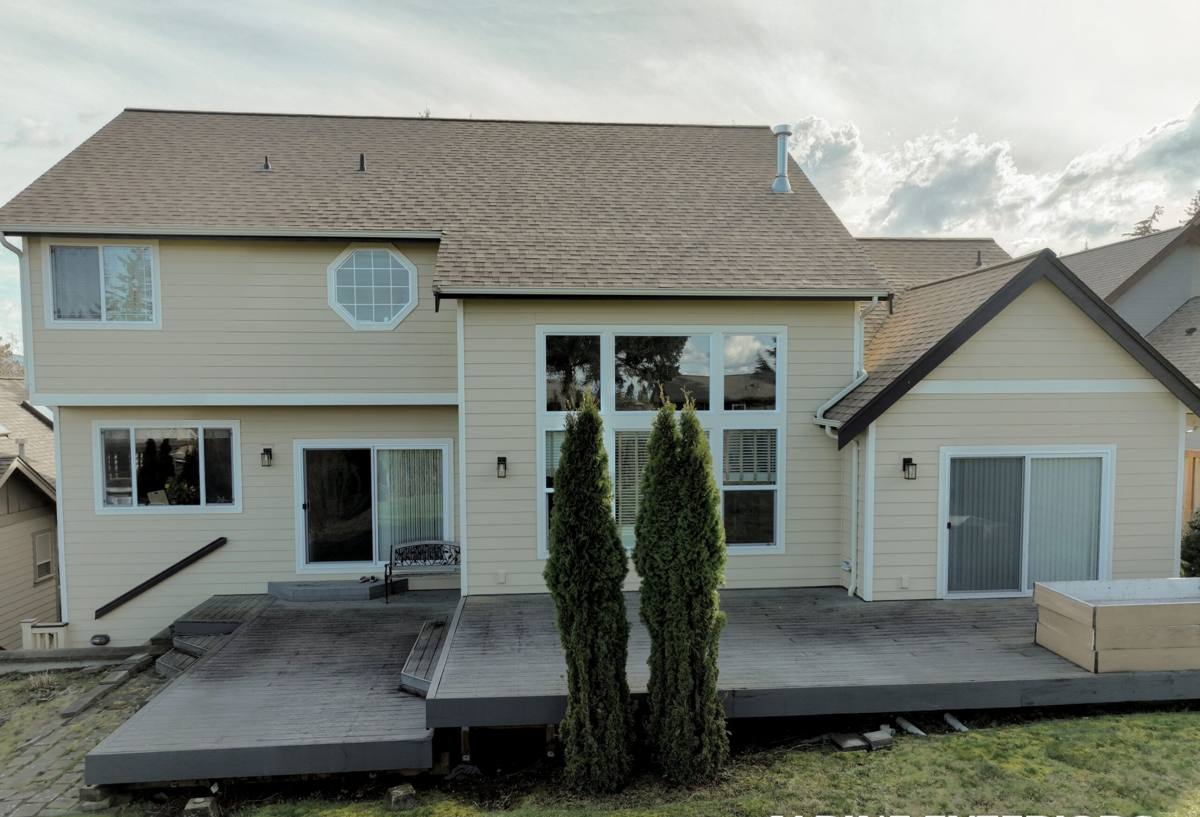
What "Energy-Efficient" Actually Means in This Climate
In a lot of the country, energy-efficient windows are mostly about keeping heat in during winter. In Sarasota, the job is almost entirely reversed — the goal is keeping heat, humidity, and UV out, while a house is being cooled roughly ten months of the year. That changes which specs actually matter for a Palmer Ranch home.
The Ratings That Matter Here
- SHGC (Solar Heat Gain Coefficient): This is the number that matters most in our climate. A lower SHGC means less solar heat passing through the glass into the house — directly relevant given how much direct sun Palmer Ranch homes take on, especially on west- and south-facing elevations.
- U-Factor: Measures how well the window resists heat transfer overall. Lower is better, and it matters for keeping the AC's work inside the house instead of leaking out through the frame and glass.
- Low-E coatings: A microscopically thin coating on the glass that reflects infrared heat while still letting visible light through. This is standard on any quality energy-efficient window sold in Florida today.
- Air infiltration rating: How much air leaks around the sash and frame. A tight-fitting window keeps conditioned air in and humid outside air from working its way in around the edges — which also protects against moisture damage over time.
None of these ratings mean much on their own — they have to be read together, and matched to the specific orientation and sun exposure of each window opening on the house, which is part of what a proper in-home assessment is for.
Why Impact Resistance and Efficiency Have to Be Solved Together
Sarasota County building code requires either impact-rated windows or approved shutter protection on most homes, and in a lot of Palmer Ranch neighborhoods, impact glass has become the practical default because it doesn't require homeowners to install and remove shutters before every storm. The good news is that impact-rated glass and energy performance are not in conflict — the laminated interlayer used for impact resistance also blocks a meaningful amount of UV and adds a layer of sound dampening, and it's easy to pair with a Low-E coating and a well-designed frame to get strong energy numbers in the same unit.
Where problems show up is when a window is chosen for impact rating alone, with efficiency treated as an afterthought — or the reverse, where an efficient window is selected without confirming it actually meets the local wind-load requirement for that elevation of the house. Both mistakes are common, and both are avoidable with the right product line and a contractor who checks the actual design pressure requirements for the property before ordering anything.
Signs a Palmer Ranch Home's Windows Are Underperforming
Most homeowners don't think about their windows until something forces the issue. A few signs worth paying attention to:
- Rooms near west- or south-facing windows feel noticeably hotter than the rest of the house in the afternoon
- The AC runs longer and more often than it seems like it should for the size of the house
- Visible condensation or fogging between the panes, meaning the seal has failed
- Frames that feel warm to the touch on sunny days, or show pitting, chalking, or corrosion from salt exposure
- Fading carpet, furniture, or flooring near windows from UV transmission
- Noticeable outside noise or air movement around the sash even when the window is latched
- Difficulty opening, closing, or locking — often a sign the frame has warped slightly from heat and UV cycling
Any one of these can usually be lived with. Several together, especially in a home that still has original builder-grade windows, is a good sign that replacement will pay for itself faster than most homeowners expect.
Comparing Frame and Glass Options
There's no single "best" window — the right choice depends on budget, the specific elevation of the house, and how long the homeowner plans to stay in it. Here's how the common options stack up for a Palmer Ranch home specifically:
| Option | Energy Performance | Salt Air / UV Durability | Typical Trade-offs |
|---|---|---|---|
| Vinyl frame, Low-E impact glass | Strong | Very good — won't corrode, low maintenance | Frame color choices are more limited than aluminum; heavier sightlines on larger openings |
| Aluminum frame, Low-E impact glass | Moderate to good (depends on thermal break) | Good if properly coated, but more prone to salt-related corrosion over time without upkeep | Slimmer sightlines, common on larger picture windows; needs a quality thermal break to perform well |
| Fiberglass frame, Low-E impact glass | Strong | Excellent — very stable in heat and UV | Higher upfront cost than vinyl or standard aluminum |
| Non-impact Low-E with shutters | Strong (glass performance alone) | Depends entirely on shutter maintenance and use | Requires deploying shutters before every storm; doesn't reduce daily noise or UV the way laminated glass does |
For most Palmer Ranch homes, vinyl or fiberglass frames with laminated Low-E impact glass strike the best balance of performance, low maintenance, and code compliance — but a west-facing wall of glass or an older aluminum-frame home may call for a different approach, which is exactly why we look at the house in person before recommending a product.
What a Correct Installation Actually Involves
The window unit itself is only part of the performance equation. A well-rated window installed poorly will underperform and can fail structurally in a storm regardless of its lab rating. A correct installation includes:
Before the Window Goes In
- Confirming the design pressure rating required for that specific wall and elevation, not just a blanket rating for the whole house
- Pulling the required permit through Sarasota County (and confirming any HOA architectural review requirements specific to the community)
- Removing the old unit and inspecting the rough opening for water intrusion, wood rot, or framing damage that needs to be addressed before the new window goes in
During Installation
- Proper flashing and weatherproofing membrane around the opening, integrated correctly with the home's existing water management, not just caulked over
- Shimming and anchoring to the manufacturer's specified fastening schedule — this is what the wind-load rating is actually based on, and skipping it voids the rating in practice even if the window itself is rated correctly
- Sealing with the correct sealant for coastal, high-UV exposure, applied at the specified thickness and coverage
After Installation
- Operational check on every sash and lock
- Final inspection sign-off with the county
- Walkthrough with the homeowner covering care and warranty terms
Skipping or rushing any of these steps is the single biggest reason a "quality" window underperforms once it's in the wall.
Our Process for Palmer Ranch Projects
We approach every Palmer Ranch project the same structured way:
- In-home assessment: We look at each window opening individually — sun exposure, current condition, framing, and how it fits into the home's overall wind-load requirements.
- Product recommendation: Based on that assessment, we recommend frame material, glass package, and rating — explaining the trade-offs in plain terms rather than pushing one product line regardless of fit.
- Permitting and HOA coordination: We handle the Sarasota County permit process and can work with the applicable architectural review requirements common in Palmer Ranch communities before installation begins.
- Installation: Removal of the old unit, opening inspection and repair if needed, correct flashing and sealing, and anchoring to the specified fastening schedule.
- Final inspection and walkthrough: We confirm the county inspection passes and walk the homeowner through operation, cleaning, and warranty coverage.
What Drives Cost
Every project is different, but the main variables that move the price on a Palmer Ranch window job are consistent:
| Factor | Why It Matters |
|---|---|
| Frame material | Vinyl generally costs less than fiberglass; aluminum falls in between depending on the thermal break design |
| Glass package | Impact-rated laminated Low-E glass costs more than standard Low-E, but often replaces the need for separate shutter protection |
| Window size and count | Larger openings and whole-house replacement carry more material and labor cost than a handful of individual units |
| Opening condition | Rot, framing damage, or water intrusion found during removal adds repair work before the new window can go in |
| Design pressure requirement | Higher wind-load zones on certain elevations may require a heavier-duty rated unit than others on the same house |
We give a firm, itemized quote after the in-home assessment rather than a rough number over the phone — with a project like this, the honest price depends on details that just aren't visible from a photo or a floor plan.
Permitting, Wind Zones, and HOA Considerations Specific to This Area
Sarasota County requires a permit for window replacement, and inspectors verify that the installed product matches the design pressure and impact requirements for that home's wind zone. Many Palmer Ranch communities also have architectural review guidelines through their HOA covering things like frame color and exterior appearance, which is worth checking before ordering product so there's no mismatch between what's approved and what's installed. We handle the county permitting directly as part of our process, and we're happy to work alongside whatever HOA approval process a given community requires.
Living With the Climate: Maintenance That Actually Matters
Even a well-installed, correctly rated window benefits from a bit of upkeep in a salt-air, high-UV environment:
- Rinse frames and hardware periodically to clear salt residue, especially on homes closer to open water or exposed to onshore breezes
- Check and clean weep holes so water drains properly instead of sitting against the frame
- Inspect exterior sealant annually for cracking or separation, which UV exposure accelerates over time
- Lubricate locks and rollers on operable windows to keep them functioning smoothly despite heat expansion and contraction
None of this is heavy maintenance, but it's the difference between a window that looks and performs like new for its full warranty period and one that ages faster than it should.
If you're weighing whether it's time to replace windows on a Palmer Ranch home, we're happy to take a look and walk through what your house actually needs — no pressure, no obligation. Use the form below to request a free estimate.