 Sarasota Roofing
 Asphalt Shingle Roofing for Laurel Park Homes
Laurel Park is one of Sarasota's older, established residential neighborhoods, with a mix of bungalows, mid-century homes, and newer infill construction sitting close together on tree-lined lots just south of downtown. That combination of age, tree canopy, and proximity to the bay creates a specific set of roofing challenges that a generic asphalt shingle install doesn't always account for. We work on shingle roofs throughout this part of Sarasota and build every job around what actually holds up here, not just what's fastest to install.
Asphalt shingles remain the most common roofing material in this neighborhood for good reason — they're cost-effective, come in a wide range of styles that suit both the older bungalow homes and newer builds, and modern architectural shingles perform well when installed correctly for our climate. The key phrase there is "installed correctly." In Sarasota County, a shingle roof lives or dies by its installation details far more than by the shingle brand printed on the wrapper.
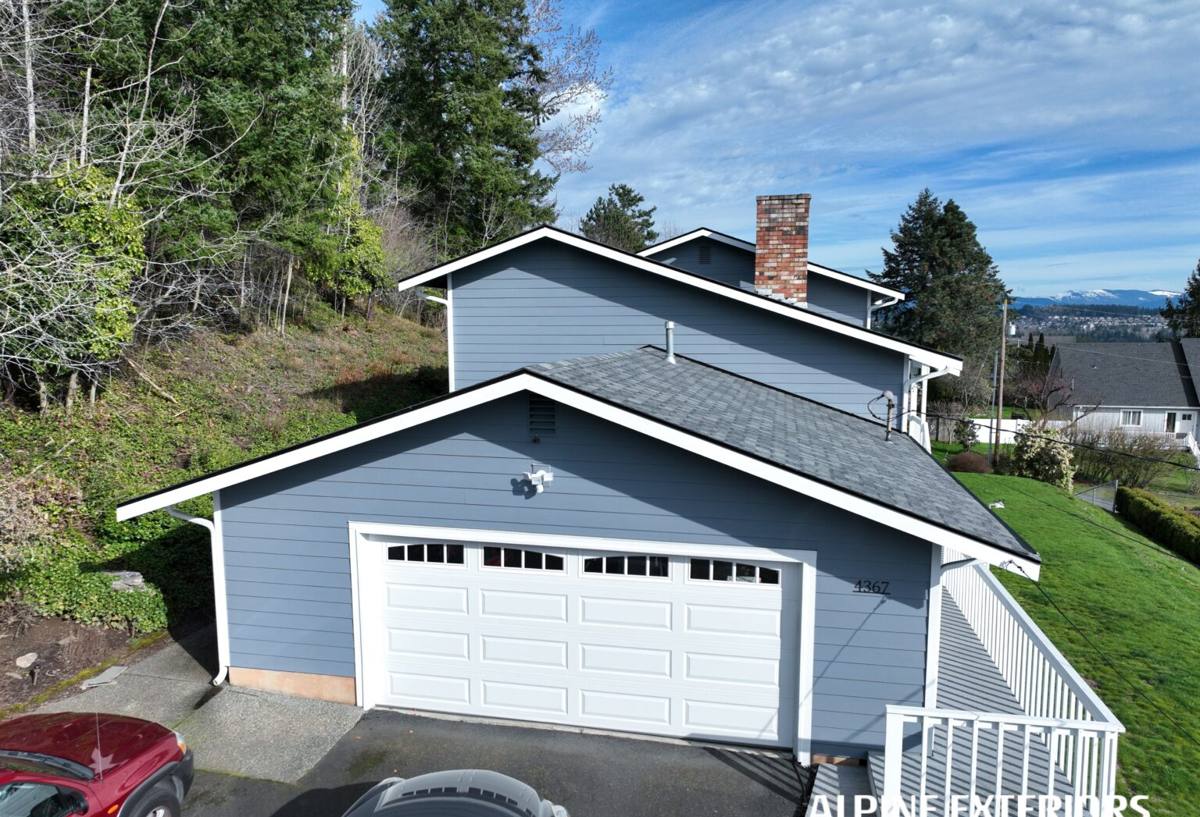
What Sarasota's Climate Does to a Shingle Roof
Every roof in this area is fighting the same combination of stressors, and Laurel Park's mature tree cover adds a layer most subdivisions don't deal with.
Hurricane-Force Wind
Wind doesn't just tear shingles off in a storm — it works at the edges and corners of a roof year-round, gradually loosening tabs and lifting nails that were driven at the wrong angle or in the wrong course. Roofs closer to mature oaks, which are common throughout Laurel Park, also take more debris impact during high wind events.
Year-Round UV Exposure
Florida sun bakes the asphalt in shingles nearly every day of the year. Over time, UV exposure dries out the asphalt, causing granule loss, brittleness, and premature aging — especially on south- and west-facing slopes that get the most direct afternoon sun.
Wind-Driven Rain
Sarasota's storms rarely come straight down. Wind-driven rain gets pushed sideways and upward under shingle edges, around vent boots, and into any flashing gap that isn't sealed and lapped correctly. This is where most of the leaks we're called out for actually originate — not from a shingle failure in the middle of a roof, but from a detail at an edge, valley, or penetration.
Salt Air
Being close to Sarasota Bay and the Gulf means salt-laden air accelerates corrosion on any exposed metal — nail heads, flashing, drip edge, and vent stacks. Untreated or lower-grade fasteners and flashing corrode faster here than in inland Florida, which shows up years later as rust streaks and failed seals.
What a Correct Shingle Roof Actually Involves
A shingle roof is a system, not a single product. Getting a long-lasting result in this climate means every layer is doing its job, not just the shingles themselves.
- Deck inspection and repair — any soft, delaminated, or water-damaged decking gets replaced before anything else goes down; shingles installed over a compromised deck will fail early no matter how good they are
- Synthetic underlayment or self-adhered membrane — this is the roof's real waterproofing layer, and it matters more in wind-driven rain conditions than most homeowners realize
- Drip edge at eaves and rakes — directs water away from the fascia and helps prevent wind from getting under the first course
- Starter strip installed correctly at all edges — this is one of the most commonly skipped steps on rushed jobs, and it's a major factor in wind resistance
- Proper nailing pattern and nail count — high-wind ratings depend entirely on correct nail placement, not just nail count; a shingle rated for 130 mph winds performs like a much cheaper product if it's face-nailed or under-nailed
- Flashing at every penetration, valley, and wall intersection — step flashing, counter-flashing, and properly sealed vent boots, done in the right order relative to the underlayment and shingle courses
- Balanced attic ventilation — intake and exhaust working together to keep attic temperatures and moisture in check
Repair, Replacement, or Somewhere In Between
Not every roofing issue in Laurel Park calls for a full tear-off. Part of an honest assessment is telling a homeowner when a targeted repair will genuinely solve the problem, and being straight with them when it won't.
Isolated issues — a section of missing shingles after a storm, a single failed flashing detail, a vent boot that's cracked from UV exposure — are usually repairable, especially on a roof that's otherwise in good shape and reasonably young. Widespread granule loss, multiple soft spots on the deck, or a roof that's simply reached the end of its service life are different situations, and patching those areas tends to be a short-term fix that costs more in the long run once you count multiple repair visits against the price of doing it right once.
We look at the roof's age, the condition of the decking where we can access it, how many separate problem areas exist, and what the shingles look like up close — not just from the ground — before recommending one path over the other.
Our Process on Laurel Park Roofing Jobs
- On-site inspection — we get on the roof (not just a drive-by look) to check the shingle condition, flashing, decking, and ventilation
- Written estimate — a clear scope of work and price before anything is scheduled, with no surprise add-ons sprung on you mid-job
- Material selection — we walk through shingle options, wind ratings, and warranty terms so the decision fits your budget and how long you plan to stay in the home
- Tear-off and deck check — old roofing removed, deck inspected board by board, any damaged sections replaced before dry-in
- Installation — underlayment, drip edge, flashing, and shingles installed per manufacturer specification and local wind code
- Final walkthrough — we go over the finished roof with you, including care and what to watch for going forward
Because we regularly work in this part of Sarasota, we're familiar with the permitting process through Sarasota County and the kind of access and staging considerations that come up on the closer-set lots common in Laurel Park.
Comparing Shingle Options for This Climate
Not all asphalt shingles are built the same, and in a climate that puts this much stress on a roof, the difference matters more than it would somewhere with milder weather.
| Shingle Type | Typical Wind Rating | Best For | Trade-Offs |
|---|---|---|---|
| 3-tab shingles | Lower wind ratings | Budget-conscious projects, rental properties | Shorter lifespan, less impact and wind resistance in coastal wind conditions |
| Architectural (laminate) shingles | Higher wind ratings, install-dependent | Most Laurel Park homes; balance of cost, durability, and appearance | Higher upfront cost than 3-tab; performance still depends heavily on installation quality |
| Impact-resistant (Class 4) shingles | High wind ratings plus impact rating | Homes wanting maximum storm resilience or potential insurance premium credits | Highest material cost of the three; check with your insurer on actual credit eligibility |
We don't push one tier on every homeowner — the right choice depends on how long you plan to own the home, your insurance situation, and your budget. What we won't do is install any shingle without the underlayment, flashing, and nailing detail needed for it to actually perform at its rated wind speed.
Why Local Experience in Laurel Park Matters
A roofing crew that regularly works this neighborhood already understands things a crew from farther out has to learn on the job: how tree cover affects debris and drainage patterns, what the older housing stock's decking and roof framing tends to look like once the old shingles come off, and what Sarasota County's inspection process expects on a re-roof permit. That familiarity translates into fewer surprises mid-project and a more accurate estimate from the start.
It also means we're not a stranger if you need us back — for a warranty question, a post-storm check, or a maintenance visit a few years down the line. Roofing is a long-term relationship with a house, not a one-time transaction, and that's easier to deliver when we already know the area.
Maintenance That Extends a Shingle Roof's Life
A correctly installed shingle roof still needs basic upkeep, especially under Sarasota's UV load and storm exposure.
- Have the roof visually inspected after any major storm, even if you don't see obvious damage from the ground
- Keep gutters and valleys clear of leaves and debris, particularly important given the tree cover in this area
- Trim back overhanging branches that can abrade shingles or drop debris during wind events
- Watch for granules collecting in gutters, which can signal advancing shingle wear
- Have vent boots and flashing checked periodically — these are the most common failure points, well before the shingles themselves wear out
- Address small leaks or missing shingles promptly rather than waiting for the next storm to make it worse
If your Laurel Park home is due for a new roof, showing signs of storm damage, or you just want an honest read on how much life is left in what you have, we're happy to take a look. Fill out the form below for a free, no-pressure estimate.