 Sarasota Roofing
 Why Windows Take a Different Kind of Beating in Rosemary District
Rosemary District sits close enough to downtown Sarasota and the bayfront that homes here deal with a specific combination of stresses most window manufacturers design around only in general terms. You've got a mix of early-1900s bungalows and newer infill construction, and both types share the same problem: the glass and frames installed even ten or fifteen years ago were rarely built for what this stretch of the Gulf Coast actually throws at a house year-round.
That's hurricane-force wind gusts that test every seal and fastener, sun exposure intense enough to break down vinyl and fade interiors from spring through fall, wind-driven rain that finds any gap in flashing or caulk, and salt-laden air drifting in off the water that corrodes hardware and pits aluminum faster than homeowners expect. None of these are edge cases in Sarasota County — they're the baseline. A window that's "energy-efficient" on a spec sheet written for a mild climate isn't necessarily efficient, or even safe, once it's installed a few miles from the bay.
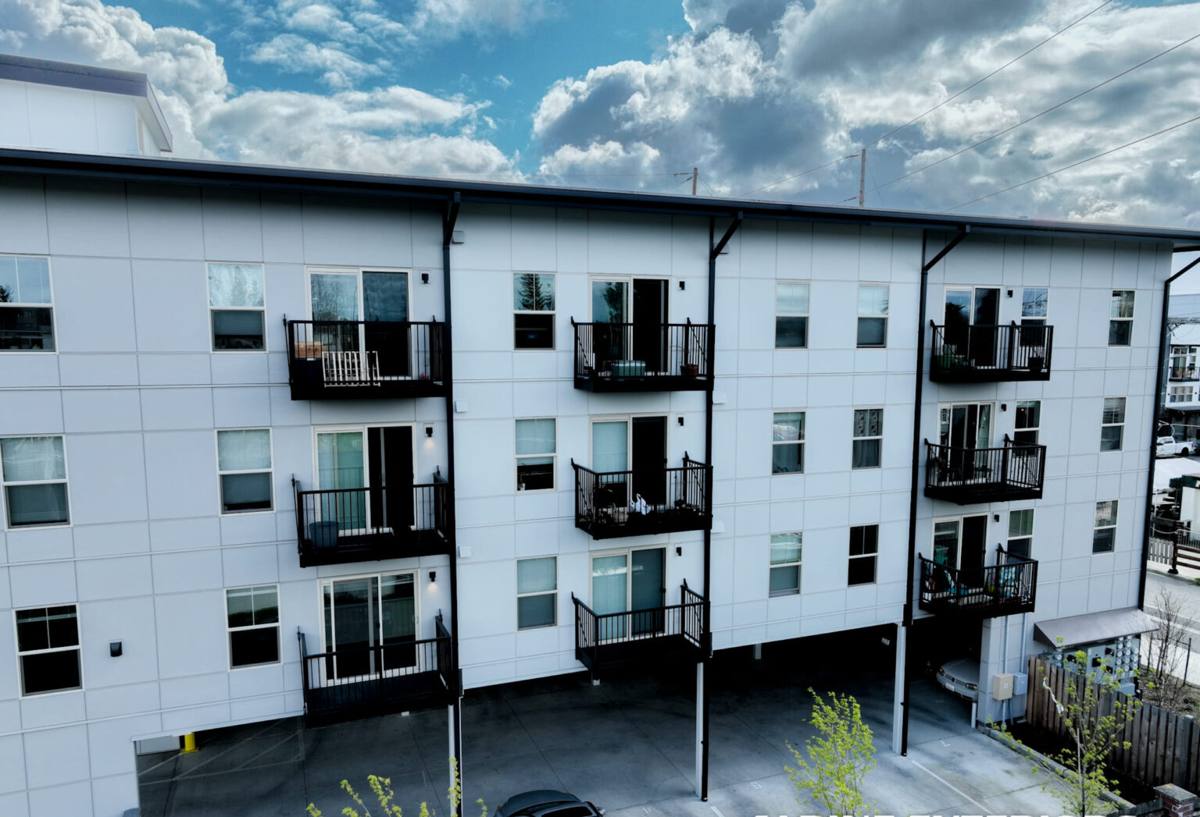
What "Energy-Efficient" Really Means on the Gulf Coast
Inland or in cooler climates, energy-efficient windows are mostly about insulation value and stopping drafts. Here, that's only part of the job. A correctly specified window for Rosemary District has to do three things at once: resist wind and impact, block solar heat gain without going dark, and hold up physically against salt air and moisture. Skip any one of those and you haven't actually solved the problem — you've just installed a nicer-looking version of the same weak point.
Impact Resistance and Wind Load
Sarasota County falls within Florida's wind-borne debris region under the Florida Building Code, which means new and replacement windows generally need to meet impact standards or be paired with approved protection, depending on the specifics of the structure and permit. Impact-rated glass — typically laminated glass with an interlayer that holds together under impact instead of shattering — does double duty: it protects the opening during storms and, because the assembly is thicker and better sealed, it also cuts down on air infiltration the rest of the year. That's a real efficiency gain, not just a storm feature.
Low-E Coatings and Solar Heat
Florida sun is a year-round cooling load, not a seasonal one. Low-emissivity (Low-E) coatings on the glass reduce how much solar heat makes it through the window while still letting in visible light, so rooms stay cooler without feeling dim. Pairing the right Low-E coating with the right glass tint matters more here than in most climates — too dark and the house feels closed in, too little coating and your air conditioner runs harder than it should from March through October.
Frame Material and Salt Air
Frame choice is where a lot of otherwise good window jobs quietly fail near the coast. Salt air accelerates corrosion on hardware, hinges, and certain aluminum finishes, and it's tougher on lower-grade vinyl than most people expect from years of UV cycling. We steer homeowners toward frame materials and finishes with a track record in coastal Florida conditions specifically, not just a general "hurricane zone" rating — there's a difference between a product engineered for wind load and one that's also been tested for long-term coastal exposure.
Signs Your Current Windows Are Working Against You
Most homeowners don't replace windows because one obviously fails — they replace them because a handful of small problems add up. In older Rosemary District homes especially, watch for these signs that your windows are no longer doing their job:
- Noticeable heat radiating off the glass or frame in the afternoon, even with blinds closed
- Rooms near west- or south-facing windows that never quite cool down like the rest of the house
- Visible fading on flooring, furniture, or curtains near a window over a year or two
- Condensation or fogging between panes, which usually means a failed seal
- Frames that feel gritty, pitted, or chalky to the touch — a common salt-air symptom
- Drafts or whistling during windy weather, even with the window fully latched
- Higher cooling bills than neighboring homes of similar size and age
Comparing Your Options
There's no single "best" window for every home in this neighborhood — the right call depends on the structure's age, orientation, and whether you're also trying to satisfy a wind-borne debris requirement. Here's how the common approaches stack up:
| Option | Impact/Wind Protection | Energy Performance | Trade-offs |
|---|---|---|---|
| Impact-rated windows (laminated glass, reinforced frame) | Built in — no shutters needed for that opening | Strong; thicker assembly also cuts air infiltration | Higher upfront cost than non-impact glass |
| Non-impact energy-efficient windows + separate storm protection | Depends entirely on shutters or panels being deployed | Good, if Low-E and properly sealed | Requires action before every storm; protection is only as good as follow-through |
| Standard replacement windows, no impact or storm rating | Minimal | Varies widely by product | May not satisfy current code for the opening; risk during named storms |
| Existing older single-pane or early-generation windows | Little to none | Poor — main source of heat gain and air leakage | Ongoing energy loss and vulnerability regardless of coating age |
For most Rosemary District homes doing a full window replacement, impact-rated glass ends up being the more practical long-term choice — it solves the storm question and the efficiency question with one product instead of two separate systems to maintain.
What a Correct Installation Actually Involves
The window itself is maybe half the equation. A poorly installed high-end window will leak, fail early, and underperform its own rating — and installation mistakes are much harder to spot after the fact than a bad product choice.
Sizing and Product Selection
Every opening gets measured individually rather than assumed to match a stock size, especially in older bungalows where original framing can be slightly out of square. Product selection should match the opening's exposure — a west-facing window taking direct afternoon sun and one on a shaded side of the house don't necessarily need the identical glass package.
Flashing and Water Management
Wind-driven rain doesn't need a big gap to get in — it needs a path, and flashing is what removes that path. Proper flashing integrates with the existing wall assembly so water is directed back out rather than behind the frame and into the wall cavity, which is where slow, expensive rot problems start.
Sealing and Fastening
Fastener spacing and sealant choice both need to match the window's wind-load rating, not just "however the last window was installed." Corrosion-resistant fasteners matter more here than in most climates, given the salt air; a fastener that's fine inland can start failing years earlier a few miles from the bay.
Permitting and Inspection
Window replacements in Sarasota County generally require a permit, particularly when the work involves changing the impact rating or wind-load compliance of an opening. That inspection step is a genuine quality check, not just paperwork — it's a second set of eyes confirming the installation matches what the product is rated to do.
How We Approach a Rosemary District Window Project
Every job starts with an on-site assessment, because a spec sheet can't tell us how a specific opening is framed, which direction it faces, or what's already gone wrong with the existing seal. From there we walk through product options honestly, including cost trade-offs, rather than steering toward whatever happens to be easiest to install.
On install day, openings are prepped, flashed, and sealed to match the product's rating, and we clean up as we go rather than leaving debris and old glass sitting around a family's yard. Before we consider a job finished, we walk the openings with the homeowner, check operation and seals on every window, and make sure any permit-required inspection is scheduled and passed.
Cost Factors to Expect
Pricing on window projects varies more than most homeowners expect, and the biggest swings usually come from a handful of factors rather than the brand name on the glass:
- Impact rating — impact-rated assemblies cost more than standard glass but remove the need for separate storm protection
- Frame material — vinyl, aluminum, and composite frames each carry different price points and different long-term coastal durability
- Number and size of openings — larger or non-standard openings cost more to size and install correctly
- Condition of the existing opening — older homes sometimes need framing repair before a new window can be properly sealed
- Permit and inspection requirements — a factor in scheduling as much as cost
We'll always give a straightforward range rather than a vague estimate, and explain exactly what's driving the number for your specific home.
Why a Crew That Already Works This Neighborhood Matters
Rosemary District's mix of century-old bungalows and newer construction means no two houses are framed quite the same way, and a crew that hasn't worked the area can end up guessing at things a local crew already knows from experience — how these older openings tend to be built, what the county's permitting process expects, and how fast salt air and sun actually wear down a given product in this specific location versus a showroom claim. That familiarity shows up less in what gets sold to you and more in what gets caught before it becomes a problem: a flashing detail that needs adjusting for an older wall assembly, a frame material that won't hold up as well given a home's sun exposure, a permit requirement that a crew unfamiliar with Sarasota County might miss entirely.
Maintenance After Installation
Even a well-installed, correctly rated window benefits from basic upkeep in this climate. Rinsing frames periodically helps remove salt residue before it starts affecting hardware and finishes. Checking weep holes for debris keeps water draining as designed instead of pooling. And it's worth having seals and caulking checked every few years, since UV exposure and temperature swings will eventually break down even quality sealant — catching it early is far cheaper than dealing with water intrusion later.
If your windows in Rosemary District are underperforming, aging out of their storm protection, or just costing you more in cooling bills than they should, we're happy to take a look and walk you through honest options. Reach out for a free, no-pressure estimate using the form below.