 Sarasota Roofing
 Why Ellenton Homes Need Windows Built for This Climate
Windows in Ellenton do a harder job than windows almost anywhere else in the country. Between the intense, near-constant Florida sun, the humidity that rolls off the Gulf, salt-laden air working its way inland, and the wind-driven rain that comes with every summer storm season, a window here is under stress twelve months a year. Add in the occasional hurricane-strength wind event, and it's easy to see why older, builder-grade windows in this area fail faster than the same product would in a drier, milder climate.
Energy-efficient windows aren't just about lowering a power bill, although that matters when air conditioning is running most of the year. In this region, "energy efficient" and "durable" are the same conversation. A window that blocks UV and manages heat gain well is usually also a window with better seals, better glass, and a frame system that resists the moisture and salt exposure that eats away at cheaper products over time.
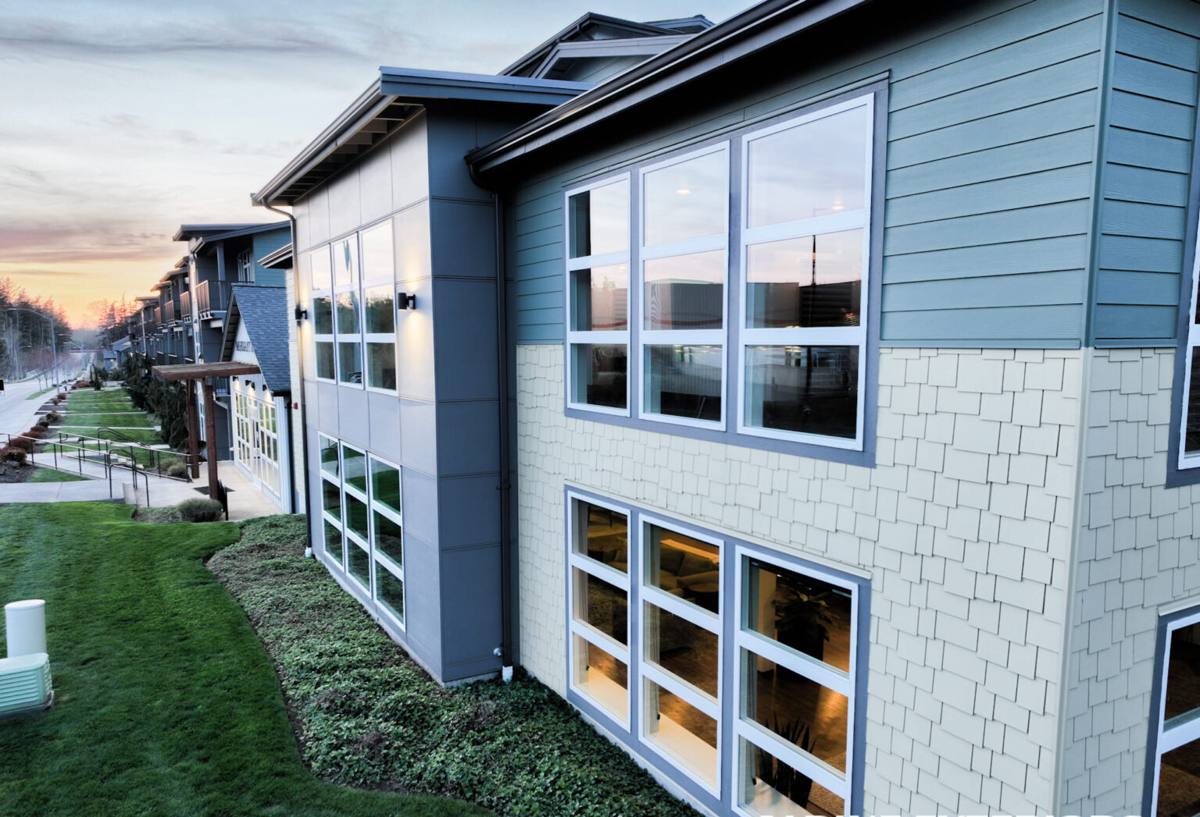
What "Energy-Efficient" Actually Means for a Window
The term gets used loosely in advertising, so it's worth being specific about what it means on a real product label. Every quality window carries an NFRC (National Fenestration Rating Council) sticker with a few numbers that matter more than any marketing claim:
- U-Factor — how well the window resists heat transfer. Lower is better for keeping conditioned air inside.
- Solar Heat Gain Coefficient (SHGC) — how much solar heat passes through the glass. In a sun-heavy market like this one, a lower SHGC usually pays off faster than a low U-Factor alone.
- Air Leakage (AL) — how much air moves through gaps in the frame and sash. Lower means fewer drafts and less humid outside air working its way in.
- Visible Transmittance (VT) — how much natural light comes through. Good coatings can cut heat and UV without making a room feel dark.
For homes in and around Ellenton, we generally steer toward low-SHGC, low-E coated glass paired with a warm-edge spacer system, since the biggest energy drain here is solar heat gain, not cold-weather heat loss.
Single, Double, and Impact-Rated Glass
Single-pane glass has almost no place in this market anymore — it offers no real insulating value and no protection against wind-borne debris. Insulated double-pane units are the baseline for energy performance. Where wind exposure is a real concern, we also look at laminated, impact-rated glass, which adds a layer of interlayer film between panes. That film does double duty: it holds glass together if something strikes it in a storm, and it also blocks a meaningful amount of UV and noise, which is a side benefit a lot of homeowners don't expect until they notice it.
Frame Materials: What Holds Up Here and What Doesn't
The frame matters as much as the glass. In coastal, high-UV, high-humidity conditions, some materials simply age better than others.
| Frame Material | Energy Performance | How It Handles This Climate |
|---|---|---|
| Vinyl | Good, with multi-chamber designs | Resists moisture and salt well; quality matters — thin, low-grade vinyl can warp under years of direct sun |
| Aluminum | Weaker unless thermally broken | Very strong and storm-resistant, but conducts heat unless it has a thermal break; needs good finish to resist salt corrosion |
| Fiberglass | Excellent, low expansion/contraction | Handles heat cycling and humidity very well; higher upfront cost |
| Wood / Wood-clad | Good insulator | Needs the most upkeep in humid, salt-air conditions; we don't recommend bare wood exteriors this close to the coast |
We're upfront with homeowners about trade-offs rather than pushing one material for everyone. A wood-interior, clad-exterior window can look great and perform well, but it comes with more long-term maintenance than a quality vinyl or fiberglass unit. If low maintenance is the priority, we'll say so plainly.
Wind, Storms, and the Ellenton Reality
Any window installed in this part of Florida has to be considered in the context of hurricane season. Even where a full impact-rated window isn't required by the specific structure or code jurisdiction, wind-driven rain is a near-annual event, and a poorly sealed or poorly flashed window is one of the most common places water finds its way into a wall cavity. We treat every installation as a water-management job first and an energy-efficiency job second — because a window that's perfectly efficient but leaks during the first summer storm isn't doing its job.
That means proper flashing integration with the existing wall assembly, correctly applied sealant (not just a bead around the trim), and attention to how the new window ties into the weather-resistive barrier behind the exterior finish. This is the part of a window job that doesn't show up in a brochure but determines whether the installation lasts.
What a Correct Installation Actually Involves
A lot of window problems homeowners deal with years later trace back to shortcuts taken during install, not defects in the product itself. A correct job includes:
- Removing the old window and inspecting the rough opening and surrounding framing for hidden moisture damage or rot before anything new goes in.
- Correcting any framing or sill issues found — installing over a compromised opening just locks the problem behind new trim.
- Setting the new window level, plumb, and square, with proper shimming so it operates smoothly for years, not just on day one.
- Integrating flashing tape and sealants in the correct order (shingle-fashion, working top to bottom) so water is directed out, not trapped in.
- Insulating the gap between the window frame and the rough opening — an under-insulated gap undercuts the energy performance of even a top-tier window.
- Finishing interior and exterior trim, then testing operation and checking the seal before we consider the job done.
Our Process for Ellenton Window Projects
1. On-Site Assessment
We look at each window's current condition, the direction it faces (west- and south-facing windows take the heaviest solar load here), and any signs of past leaks, condensation, or frame damage. Sun exposure and wind exposure both factor into what we recommend.
2. Product Selection
We walk through glass packages and frame options based on your budget and priorities — whether that's maximum energy savings, storm performance, low maintenance, or a balance of all three. There's rarely one "right" answer; there's a right answer for your house and how long you plan to stay in it.
3. Installation
Our crews follow the sequence above on every job, regardless of how small the project is. A single-window replacement gets the same flashing and sealing discipline as a whole-house job.
4. Final Walkthrough
We test operation, check seals, and walk the job with you before we consider it complete. Any punch-list items get handled before we leave.
What Drives the Cost
Window pricing varies a lot based on a handful of factors, and we'd rather explain them than quote a single number that won't hold up once we see the actual openings.
| Cost Factor | Why It Matters |
|---|---|
| Glass package | Standard double-pane low-E vs. laminated impact-rated glass carries a meaningful price difference |
| Frame material | Vinyl is typically the most budget-friendly; fiberglass and clad-wood cost more upfront |
| Window size and configuration | Large sliders, bays, and custom shapes cost more than standard single- or double-hung units |
| Condition of the rough opening | Hidden rot or framing damage found during removal adds repair time before the new window goes in |
| Number of windows | Whole-house replacements typically bring a better per-unit price than one-off replacements |
We give a written, itemized estimate before any work starts, so there are no surprises once the job is underway.
Living With Energy-Efficient Windows in a Coastal Climate
A few habits help any window — no matter how good — perform well for the long haul in this environment:
- Rinse exterior frames periodically to clear salt residue, especially on homes closer to open water.
- Check and clean weep holes (the small drainage openings in the frame) so water doesn't pool during heavy rain.
- Inspect exterior caulking annually; UV breaks down sealants faster here than in milder climates.
- Operate hardware regularly — hinges and locks that sit unused can stiffen or corrode faster in humid air.
- Watch for condensation between panes, which signals a failed seal on an insulated glass unit.
Why a Locally Experienced Crew Matters
Window installation isn't a one-size-fits-all trade, and this region isn't a one-size-fits-all climate. A crew that already works throughout the greater Sarasota area, including Ellenton, has seen how homes here actually age — where sun exposure hits hardest, which flashing details hold up against wind-driven rain, and which materials are worth the extra cost versus which ones just add expense without a real benefit. That local pattern recognition is hard to replace with a generic install crew passing through, and it's part of why we treat every window job as a system, not just a product swap.
If you're weighing window replacement or want a straight answer about whether your current windows are worth repairing versus replacing, we're glad to take a look. Reach out for a free, no-pressure estimate using the form below — we'll walk the job with you and give you honest options, not a hard sell.