 Sarasota Roofing
 Window Replacement Built for Palmer Ranch's Climate
Palmer Ranch homes sit inland enough to feel a little removed from the beach, but the weather doesn't know the difference. The same Gulf humidity, salt-laden air, and hurricane exposure that hit the barrier islands reach Palmer Ranch too, just with a few more miles of buffer. Add in the intense, near-constant Florida sun and the wind-driven rain that comes with every summer storm system, and windows here take a beating year-round, not just during named storms.
Replacing windows in this neighborhood isn't a cosmetic upgrade project. It's a system decision that affects your home's wind rating, your energy bills, your insurance premium, and how much water gets into your walls during the next heavy rain event. We approach every Palmer Ranch window job with that in mind, not just "does it fit the opening."
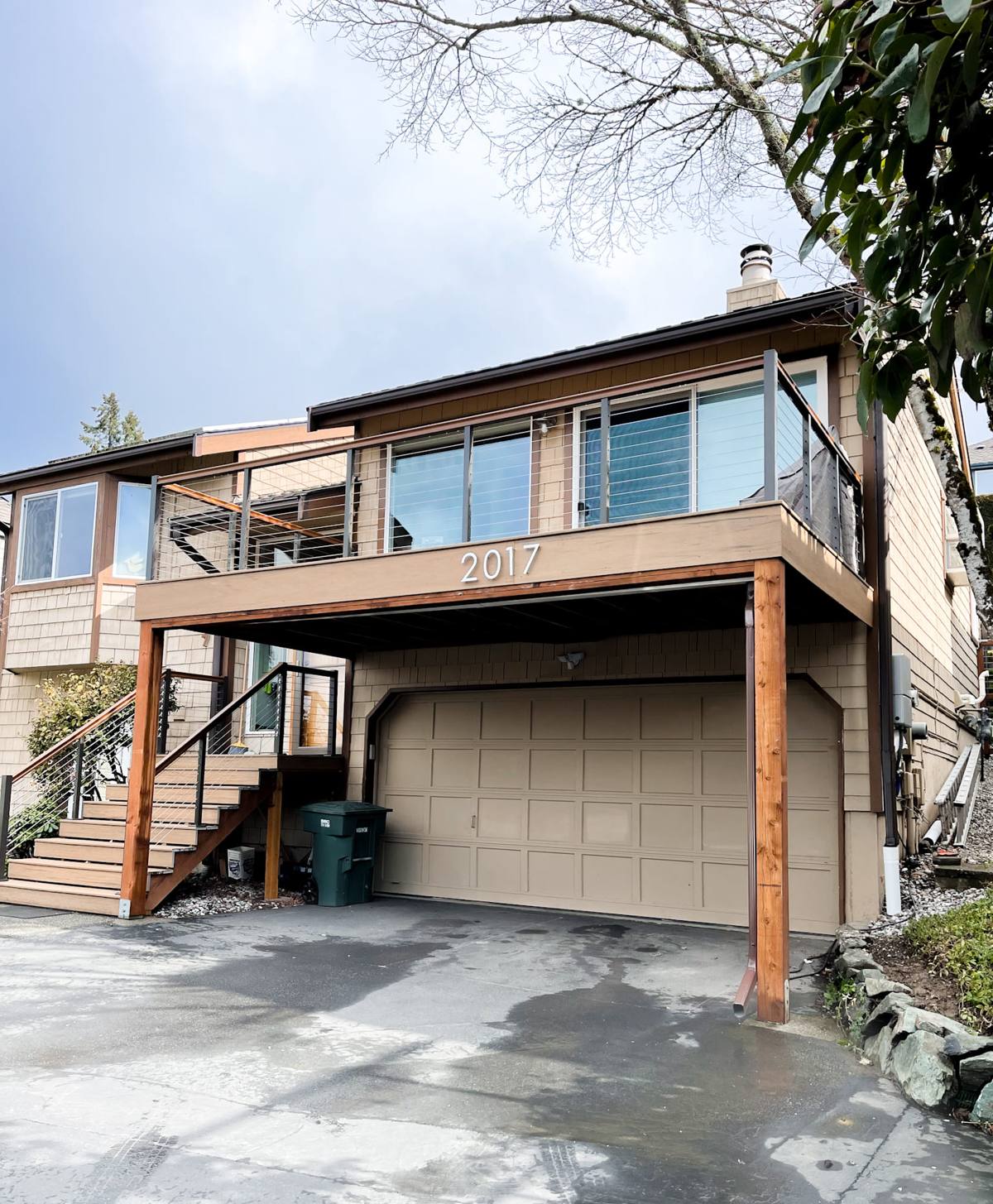
What Sarasota County's Climate Does to Windows
Wind and Pressure
Sarasota County sits in a High-Velocity Hurricane Zone influence area under the Florida Building Code, and Palmer Ranch's permitting follows those same wind-load standards. Older aluminum single-pane windows, or even newer units that weren't rated for local wind pressures, can fail at the frame or the seal long before the glass itself breaks. Once a window fails during a storm, the pressure change inside the house can do serious damage to the roof structure and other openings.
UV Exposure
Florida gets some of the highest year-round UV exposure in the continental US. Constant sun breaks down vinyl frames, dries out old glazing compounds, and fades interior floors and furniture through untreated glass. Windows that looked fine five years ago often show chalky, brittle frames or seal failure (that foggy look between panes) well before their expected lifespan.
Wind-Driven Rain
Sarasota's summer storms don't just drop rain straight down — wind pushes it sideways into every gap in a window's flashing and sealant. This is the single biggest cause of the water stains and soft drywall we find around older windows during replacement jobs. It's rarely the glass that fails first; it's the installation detail around the frame.
Salt Air
Even set back from the coast, Palmer Ranch gets salt-laden air carried inland on Gulf breezes. Salt accelerates corrosion on aluminum hardware, screws, and older window balances. It also degrades certain sealants faster than manufacturers' inland-climate warranties assume, which is why we favor materials and hardware rated for coastal exposure even for jobs a few miles from the water.
Signs a Palmer Ranch Home Needs Window Replacement
- Foggy or hazy glass between panes (failed seal on double-pane units)
- Windows that are difficult to open, close, or lock — often a sign of frame warping or corroded hardware
- Visible daylight or drafts around the frame when the window is closed
- Water staining, bubbling paint, or soft drywall on the wall below or beside a window
- Chalky, pitted, or discolored frames from UV exposure
- Noticeably higher cooling bills compared to similar homes in the neighborhood
- Rattling or whistling during windy conditions
- Windows installed before current Florida Building Code wind-load updates, especially in homes built before the early 2000s
What Correct Window Replacement Actually Involves
A window replacement is only as good as the parts nobody sees once it's done. Swapping glass into an existing frame, or installing a new unit without addressing the opening underneath, is how leaks and failures happen two or three years down the road. Our process for Palmer Ranch homes includes:
1. Opening Inspection
Before any old window comes out, we check the rough opening for wood rot, moisture intrusion, or settling that's thrown the frame out of square. Palmer Ranch's mix of home ages means this varies a lot from house to house — some openings are in great shape, others have years of hidden water damage from the original installation.
2. Flashing and Weatherproofing
This is the step that actually stops wind-driven rain. Proper flashing tape, sill pans, and sealant integration with the home's existing weather-resistive barrier matter more than the window brand itself. We flash every opening to shed water outward, not just seal the visible gap with caulk.
3. Correct Window Selection for Wind Zone
Every window we install carries a wind-load rating appropriate for the home's exposure category and the current Florida Building Code. We match the product's Design Pressure (DP) rating to what the home actually needs — not the minimum that happens to be in stock.
4. Impact Glass vs. Shutters
Impact-rated glass stays in place permanently and doesn't require any action before a storm, which is a real advantage for homeowners who travel or aren't able to deploy shutters on short notice. Non-impact windows paired with code-compliant shutters are a lower upfront cost option and remain a legitimate path to code compliance — the trade-off is the extra step of installing protection before every storm.
5. Proper Anchoring and Fastening
Frame anchoring depth, fastener type, and spacing all have to match the manufacturer's tested installation instructions for the window to actually perform at its rated wind pressure. A correctly rated window installed with the wrong fasteners doesn't perform to that rating in real conditions.
6. Final Seal and Trim
Interior and exterior trim, backer rod, and sealant are finished last, with attention to keeping weep holes and drainage paths clear so any incidental moisture that does get past the outer seal can drain back out.
Impact Windows vs. Standard Windows with Shutters
| Factor | Impact-Rated Windows | Standard Windows + Shutters |
|---|---|---|
| Storm prep effort | None — always protected | Shutters must be installed before each storm |
| Upfront cost | Higher | Lower |
| Daily UV/noise reduction | Better (laminated glass) | Standard glass performance |
| Curb appeal | No visible hardware | Shutters visible when deployed or stored |
| Code compliance | Yes, when properly rated and installed | Yes, when paired with code-approved shutters |
| Insurance discount potential | Often eligible | Often eligible with permanent, code-rated shutters |
Neither option is objectively "better" in every case — it depends on budget, how often the home is occupied when storms threaten, and personal preference. We'll walk through both honestly during your estimate rather than push whichever has a higher margin.
Frame Material Trade-Offs for This Climate
We get asked a lot about vinyl versus aluminum versus fiberglass frames for Sarasota-area homes. Each has real trade-offs:
- Vinyl: Doesn't corrode from salt air, good insulating value, lower cost — but lower-grade vinyl can warp under sustained direct sun exposure on west-facing walls if the formulation isn't UV-stabilized for this climate.
- Aluminum: Strong and slim profile, but more prone to corrosion near salt air over time unless it's properly coated, and it conducts heat more than other frame types.
- Fiberglass: Very stable in heat and doesn't corrode, generally the most durable long-term option for this climate, but it's the highest cost upfront.
We only spec frame materials and coatings appropriate for coastal-influenced Southwest Florida exposure — not the generic inland-climate version of a product line.
Our Process for Palmer Ranch Homeowners
- Free on-site assessment — we inspect existing windows, openings, and any signs of water intrusion, and measure for accurate quoting.
- Honest product walkthrough — impact vs. non-impact, frame material options, and what actually fits your home's exposure and budget.
- Permitting — window replacement in Sarasota County requires a permit and inspection; we handle that process so it's done correctly and doesn't create a problem at resale.
- Installation — opening prep, flashing, window setting, anchoring, and sealing, done to manufacturer specs for the rated wind pressure.
- Final inspection and walkthrough — we confirm everything operates correctly and passes county inspection before calling the job done.
Why Local Experience with Palmer Ranch Homes Matters
A crew that regularly works in Palmer Ranch and the surrounding Sarasota area already knows the county's permitting process, the typical construction of homes in this part of the county, and the wind exposure categories that apply here. That familiarity shortens the permitting timeline and avoids the guesswork that comes with a crew unfamiliar with local code requirements or Sarasota County's inspection expectations.
It also means we're not learning on your house. We've seen how different eras of Palmer Ranch construction handle window openings, where moisture problems tend to show up first, and which details actually matter for long-term performance in this specific climate — not a generic install guide written for a different part of the country.
Questions to Ask Before Hiring Anyone for Window Replacement
- Are you licensed and insured to do this work in Sarasota County?
- Will you pull the required permit, or is that left to me?
- What Design Pressure (DP) rating does this window carry, and is it appropriate for my home's wind exposure?
- What's your flashing and weatherproofing method for the opening, not just the window itself?
- What warranty covers the installation labor, separate from the manufacturer's product warranty?
- Can you provide a written, itemized estimate before work begins?
If your Palmer Ranch home has aging, drafty, or storm-vulnerable windows, we're happy to take a look and give you a straightforward, no-pressure estimate. There's no obligation — just an honest read on what your home actually needs. Use the form below to get started.