 Sarasota Roofing
 University Park sits inland enough to feel a step removed from the beach, but the wind, sun, and moisture that define Sarasota County's climate don't stop at the Gulf. Golf-course lots, mature tree canopy, and open sightlines across fairways and lakes mean these homes take wind and driving rain from every direction, and the same UV load that fades a beachfront condo's trim is just as hard on a window frame two miles inland. Windows here are not a cosmetic upgrade — they're one of the few components of a house that has to perform correctly during a storm, every day in between, and for decades after installation.
Why Windows Take More Punishment in This Climate
Sarasota County sits in a high-wind design zone under the Florida Building Code, and University Park's inland location doesn't exempt it from those requirements. A window here has to resist sustained hurricane-force wind pressure, wind-driven rain intrusion, and the impact of airborne debris — not just look good and open and close smoothly. On top of that, year-round UV exposure breaks down vinyl, degrades seals, and yellows frames faster than it would in a northern climate, and the humidity swings between our wet and dry seasons put constant stress on the seals and weatherstripping that keep water out.
Salt air is part of the equation too. Even communities that aren't waterfront get salt-laden air carried inland on Gulf breezes, and that air accelerates corrosion on hardware, fasteners, and any metal component that isn't rated for a coastal environment. A window system built for a drier, milder climate will show its weaknesses here years before it would somewhere else.
What This Means in Practice
- Frame materials and hardware need to be rated for coastal, high-humidity conditions, not just "energy efficient."
- Glass and framing need a documented wind-pressure and impact rating appropriate to Sarasota County's wind zone.
- Seals and flashing details matter as much as the window unit itself — most leaks are installation failures, not product failures.
- UV-stable finishes and glazing reduce fading, warping, and premature seal breakdown.
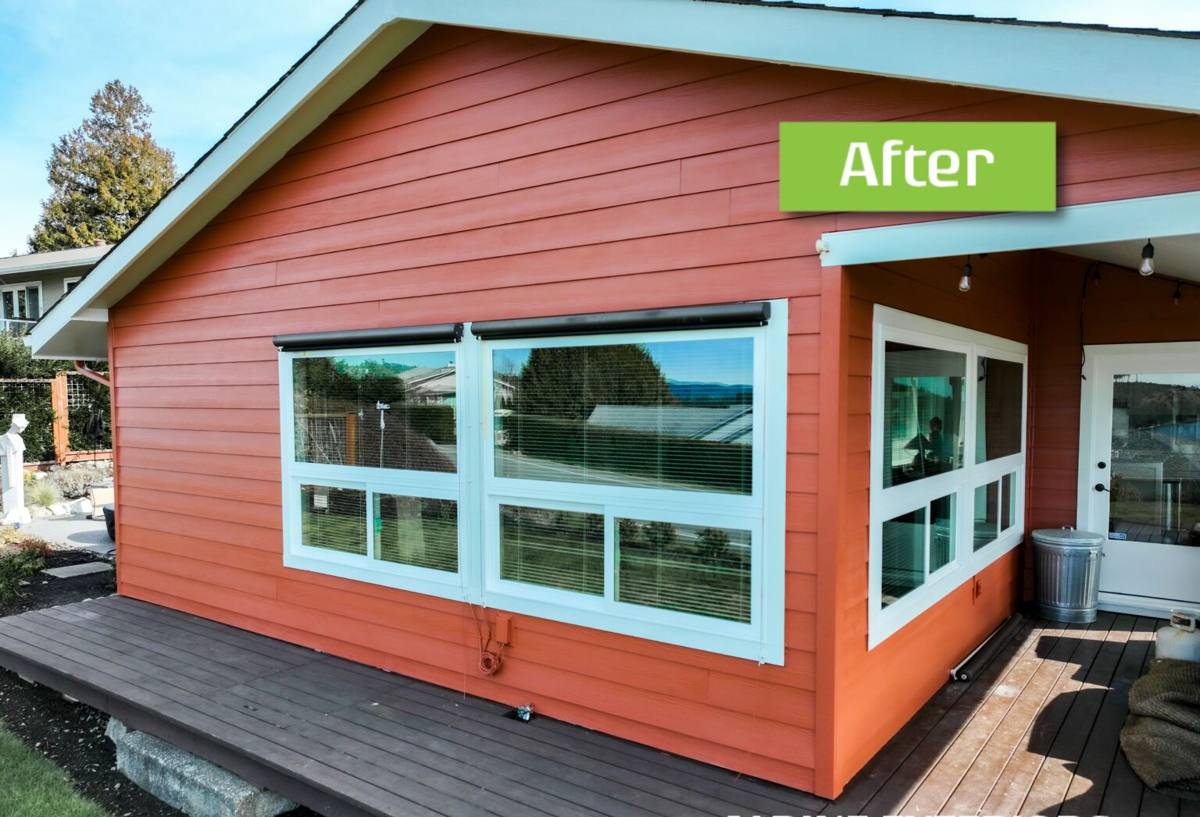
What University Park Homes Specifically Need
University Park is an established, well-maintained community, and that comes with two practical realities for a window project: many of the homes are reaching the age where original builder-grade windows are due for replacement, and most sections of the community have architectural review standards that govern exterior changes, including window style, color, and grid patterns. Any legitimate window contractor working in this neighborhood should ask about architectural approval before ordering product, not after.
Beyond aesthetics, homes built to older code cycles often have windows that predate current wind-load and impact standards. That's not automatically a problem — an older window can still be sound — but it means a straightforward visual inspection isn't enough to judge whether a window is doing its job. We look at frame condition, seal integrity, how the unit is anchored into the rough opening, and whether the existing flashing and sealant details would hold up in a wind-driven rain event, not just whether the glass looks clear.
Impact Glass and Storm Protection
Homeowners in University Park generally have two paths to meeting Florida's wind-borne debris requirements: impact-rated windows, or standard windows paired with code-compliant shutters or panels. Both are legitimate approaches, and the right one depends on budget, how the home is used, and personal preference about maintaining shutters versus a permanent glass solution. We'll walk through both honestly rather than push whichever is more profitable to install.
What a Correct Installation Actually Involves
The window itself is only part of the job. Most water intrusion and premature failures we see trace back to installation details, not defective product. A correct installation in this climate involves several layers working together, and skipping any one of them shortens the life of the whole system.
Opening Preparation
Before a new window goes in, the rough opening needs to be checked for square, level, and sound framing. Any existing water damage, rot, or compromised sheathing around the opening gets addressed first — installing a new window into a damaged opening just hides the problem behind new trim.
Flashing and Water Management
Proper flashing — installed in the correct shingle-lap order so water sheds outward and downward — is what actually keeps wind-driven rain out during a storm, more than the window unit alone. This is the step that gets rushed or skipped most often on lower-bid jobs, and it's usually invisible until the first hard rain finds the gap.
Structural Anchoring
Impact and high-wind-rated windows have to be fastened according to the manufacturer's tested installation instructions — fastener type, spacing, and embedment all affect the actual wind rating. A window rated for a certain pressure in testing only performs that way in the field if it's installed exactly to that specification.
Sealing and Insulation
Low-expansion foam or backer rod and sealant around the frame perimeter closes air and water gaps without distorting the frame — over-filling with the wrong product can actually bow a frame and cause the sash to bind or seal poorly.
Interior and Exterior Finish
Trim, caulking, and paint or sealant lines get finished cleanly on both sides, and every seam that's exposed to weather gets checked for full, continuous coverage — a half-inch gap in exterior caulk is enough to start a slow leak.
How Our Process Works
- On-site assessment. We inspect existing windows, openings, and any water damage or settling, and take accurate measurements — nothing ordered off guesswork.
- Product selection. We go over impact-rated versus standard-plus-shutter options, frame materials, and glass packages suited to Sarasota County's wind zone and this home's sun exposure.
- Architectural and permit review. Where University Park's community guidelines apply, we account for approved styles and colors, and we pull the required local building permits before work starts.
- Removal and opening prep. Old units come out carefully to avoid unnecessary damage to surrounding stucco, siding, or interior finish, and we address any rot or damage found underneath.
- Installation to spec. Flashing, anchoring, and sealing follow manufacturer installation instructions exactly, since that's what preserves the tested wind and impact rating.
- Finish work and cleanup. Interior and exterior trim, caulking, and site cleanup are completed before we walk the job with the homeowner.
- Final walkthrough and documentation. We confirm operation on every unit and provide the paperwork needed for permits, warranty registration, and insurance documentation.
Impact-Rated vs. Standard Windows With Shutters
Both approaches can satisfy Florida's wind-borne debris requirements. The right choice usually comes down to upfront cost, long-term maintenance, and how much manual storm prep a homeowner wants to deal with each hurricane season.
| Factor | Impact-Rated Windows | Standard Windows + Shutters |
|---|---|---|
| Upfront cost | Higher per opening | Lower window cost, added shutter cost |
| Storm-day effort | None — always protected | Shutters must be deployed before each storm |
| Daily noise/UV reduction | Better, year-round | No added benefit day-to-day |
| Exterior appearance | Unchanged, no visible hardware | Shutter tracks/hardware visible on exterior |
| Insurance considerations | Often favorable, varies by carrier | Varies by carrier and shutter type |
| Long-term maintenance | Seal and hardware checks | Shutter hardware upkeep plus window maintenance |
Signs a Previous Window Job Was Done Wrong
We're regularly called out to homes in and around University Park where windows look fine from the curb but were installed poorly. Some warning signs worth checking if you're unsure about existing windows:
- Visible daylight or drafts around the frame when the window is closed
- Staining, bubbling paint, or soft drywall on the interior wall below or beside a window
- Caulk that's cracked, missing in sections, or was clearly applied over a gap rather than into it
- Windows that are difficult to open, close, or lock — often a sign of a frame installed out of square
- No visible or documented impact rating on windows facing large open exposures like a golf course or lake
- Condensation between panes, indicating a failed seal on an insulated glass unit
Maintenance That Actually Extends Window Life Here
Even a correctly installed window needs periodic attention in a Gulf Coast climate. Salt air accelerates corrosion on hardware and fasteners, so hinges, locks, and cranks benefit from an occasional rinse and inspection. Exterior caulk lines should be checked once a year for cracking or separation, since UV exposure breaks down sealant faster here than in milder climates. Weep holes — the small drainage channels at the base of the frame — need to stay clear of dirt, pollen, and debris so water has somewhere to go instead of pooling against the seal. None of this is complicated, but skipping it is how a well-installed window still ends up with problems a decade in.
Why Hiring a Crew That Knows University Park Matters
A contractor who already works in this community understands the architectural review process, knows what wind zone and code requirements apply to Sarasota County, and has seen how these specific homes age in this specific climate. That's different from a crew working from a generic checklist. It means fewer surprises with permitting, fewer product mismatches with community standards, and a better sense of which failure points to check for on an older home before they become a bigger repair. Local experience isn't a marketing line here — it's the difference between a window that's installed correctly for this climate and one that just looks installed.
If you're weighing a window replacement or want a second opinion on an existing installation, we're happy to take a look and give you a straightforward, no-pressure estimate — just fill out the form below.