 Sarasota Roofing
 Deck Building in Lakewood Ranch: Built for the Climate, Not Just the Backyard
Lakewood Ranch has a lot of relatively new construction, well-kept lots, and homeowners who care about how their outdoor space looks and holds up. A deck here has a different job than a deck up north. It's not just a place to put a grill — it has to survive intense sun for most of the year, sudden downpours from summer thunderstorms, high humidity that never really lets up, and the occasional hurricane-strength wind event. A deck built the way it would be built in Ohio or Pennsylvania will not last here. It needs different fasteners, different footing depth, different wood treatment, and different attention to drainage and airflow underneath the boards.
We build and repair decks for homeowners throughout Lakewood Ranch and the surrounding Sarasota-area communities, and most of the problems we get called out to fix trace back to a deck that was built to a generic spec instead of a Florida-climate spec. This page covers what actually matters for a deck in this area, what a correct build looks like, and how our process works.
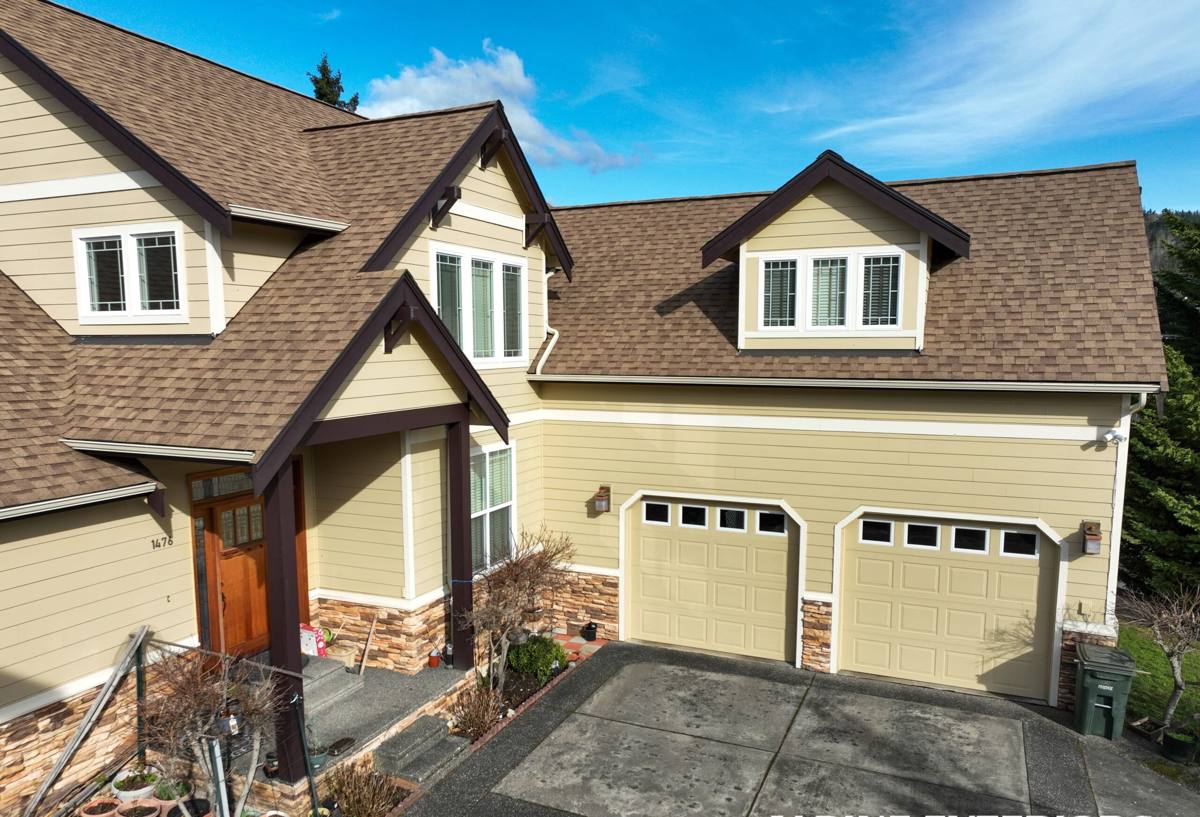
What Lakewood Ranch Homes Actually Need From a Deck
Lakewood Ranch is largely newer, master-planned development, and that brings a few things into play that don't show up on a generic deck page:
HOA and design review
A good number of neighborhoods in and around Lakewood Ranch have a homeowners association with an architectural review process. If your section requires plan approval before exterior construction, that review needs to happen before we pour a single footing. We'll help you put together drawings that answer the usual questions — height, footprint, railing style, setback from the property line — so the approval doesn't stall the project.
Lanais, pool cages, and screened enclosures
A lot of decks out here tie directly into an existing lanai, pool deck, or screen enclosure rather than standing alone. That changes the framing plan — we have to work around existing footers, screen frame posts, and drainage that was designed for the original structure, not for a deck addition. Getting that transition right, both structurally and visually, takes more planning than a freestanding deck in an open yard.
Inland heat and humidity, not direct salt spray
Lakewood Ranch sits inland compared to the barrier islands and coastal Sarasota neighborhoods, so airborne salt isn't hitting the wood and hardware the way it does closer to the Gulf. That's a real advantage. But it doesn't let a deck off the hook — Sarasota County still gets year-round UV intensity, high humidity that keeps wood damp longer after every rain, and the same hurricane-season wind loads as anywhere else in the region. The build standard doesn't relax just because you're a few miles from the water.
Choosing the Right Decking Material
There's no single "best" decking material — there's the right material for your budget, your maintenance tolerance, and how the deck will actually be used. Here's how the common options stack up in our climate:
| Material | Upfront Cost | How It Handles Our Climate | Maintenance |
|---|---|---|---|
| Pressure-treated pine | Lowest | Holds up structurally if properly sealed; can cup, splinter, or gray without upkeep | Re-seal or stain every 1–2 years |
| Composite decking | Mid to high | Very stable in heat and humidity; resists rot and insects; some early-generation products faded or absorbed heat more than newer formulations | Occasional wash, no sealing or staining |
| PVC/capped polymer | Highest | Best moisture and UV performance of the manufactured options; won't take on water | Wash as needed, essentially maintenance-free |
| Tropical hardwood (ipe, cumaru) | High | Naturally dense and rot-resistant, but installation-sensitive — needs proper fastening and gapping or boards will move | Periodic oiling to maintain color, or left to weather gray |
We install pressure-treated framing on almost every deck regardless of the decking material you choose on top, because it's the most cost-effective structural lumber that meets code when properly treated and detailed. For the decking surface itself, we'll walk you through the honest trade-offs rather than pushing whatever has the best margin — a family with young kids who want a low-maintenance surface for years is in a different situation than someone building a smaller deck they're fine re-staining periodically.
A note on wood movement and gapping
Florida's humidity swings are bigger than most homeowners expect — a board that's been sitting in a stack at 60% humidity behaves differently once it's installed and exposed to sun and rain cycles. We gap and fasten boards accounting for expansion and contraction, which is one of the most common things we see done wrong on decks that were built by someone unfamiliar with how wood and composite move in this climate.
Structural Details That Actually Matter Here
The visible decking gets all the attention, but the framing underneath is what determines whether the deck survives its first tropical storm season. A few specifics we hold to on every job:
- Fasteners: Hot-dip galvanized or stainless steel hardware throughout — standard electroplated fasteners corrode fast in Florida's humidity and will stain the wood around them within a year or two.
- Footings: Sized and set to the depth required by the Florida Building Code for this region, not a rule-of-thumb depth carried over from a different climate zone.
- Ledger board attachment: Properly flashed and bolted, never just nailed, to prevent water intrusion where the deck meets the house — this is one of the most common failure points we find on older decks.
- Wind load: Framing spans, post connections, and railing attachment sized to hold up under hurricane-force wind, since a deck attached to the house becomes part of the structure's wind exposure.
- Airflow underneath: Enough clearance and drainage slope so water doesn't sit under the deck, which is what drives rot and termite activity in humid climates.
Every deck we build gets permitted and inspected according to local requirements. That's not optional paperwork — it's the mechanism that catches an undersized footing or a missed connector before it becomes a problem you find out about during a storm.
Our Deck Building Process
The process is straightforward, but we don't skip steps to move faster:
- On-site assessment. We look at your yard, existing structures (lanai, pool cage, house elevation), drainage, and sun exposure before recommending a layout or material.
- Design and material selection. We go over the honest trade-offs between materials based on your budget and how you'll use the space, and produce drawings suitable for HOA submission if needed.
- Permitting. We handle the permit application and any required engineering so the project meets Florida Building Code before construction starts.
- Framing. Footings, posts, beams, and joists go in first, built to the wind load and drainage standards above.
- Decking and railing. Surface material and railing installed with proper gapping and fastening for the material chosen.
- Final inspection and walkthrough. We pass the required inspection and walk the finished deck with you before calling the job done.
Problems We Commonly Fix on Existing Decks
A good share of our Lakewood Ranch calls aren't new builds — they're repairs on decks that were built without the climate in mind. The recurring issues:
- Rot at the ledger board where it meets the house, from missing or improper flashing
- Rusted or corroding fasteners staining the decking and weakening connections
- Cupped or splitting boards from a pressure-treated deck that was never sealed
- Railings that have loosened because posts weren't anchored to code
- Standing water and rot underneath from inadequate drainage slope
If you're seeing any of these on a deck someone else built, it's worth having it looked at before it turns into a safety issue rather than a cosmetic one.
Maintaining a Deck in Sarasota County's Climate
Whatever material you choose, a little seasonal attention goes a long way here:
- Rinse off pollen, leaf debris, and mildew buildup a few times a year — humidity accelerates mildew growth on any surface
- Check and re-seal or stain pressure-treated wood on the schedule the product calls for, don't wait until it's visibly gray and dry
- Inspect fasteners and railing connections annually, especially after hurricane season
- Keep gutters and downspouts near the deck clear so runoff isn't dumping extra water into the footing area
Why Hire a Crew That Already Works in Lakewood Ranch
Building codes, wind load requirements, and permitting details vary by jurisdiction, and HOA design review adds another layer specific to communities like this one. A crew that regularly works in Lakewood Ranch already knows the permitting process for the area, has a feel for what HOA design committees typically want to see in a submission, and has built enough decks in this climate to know which shortcuts show up as call-backs two years later. That local familiarity is the difference between a deck project that moves smoothly and one that gets held up by paperwork or has to be partially redone.
If you're planning a new deck or need an existing one repaired, we're happy to take a look and give you a straightforward, no-pressure estimate — just fill out the form below.