 Sarasota Roofing
 Windows Built for the Way Southside Village Actually Lives Outside
Southside Village sits close enough to Sarasota Bay that the salt air, humidity, and storm exposure are part of daily life, not an occasional event. It's also one of the older, more established neighborhoods near downtown Sarasota, which means a lot of homes here have a mix of original window openings, additions built at different times, and at least one round of past window replacements that didn't quite get it right. Custom windows in this setting means more than picking a style out of a catalog — it means matching real openings, meeting current wind requirements, and choosing glass and frame combinations that won't fight the climate for the next fifteen or twenty years.
We're not going to pretend every home in this neighborhood has the same needs. A 1940s bungalow with original wood-frame openings is a different job than a home that already has newer aluminum or vinyl windows installed in the last decade. What doesn't change is the environment they all have to survive: hurricane-force wind gusts, intense year-round UV, wind-driven rain that finds every gap, and salt-laden air that accelerates corrosion on anything not built to handle it.
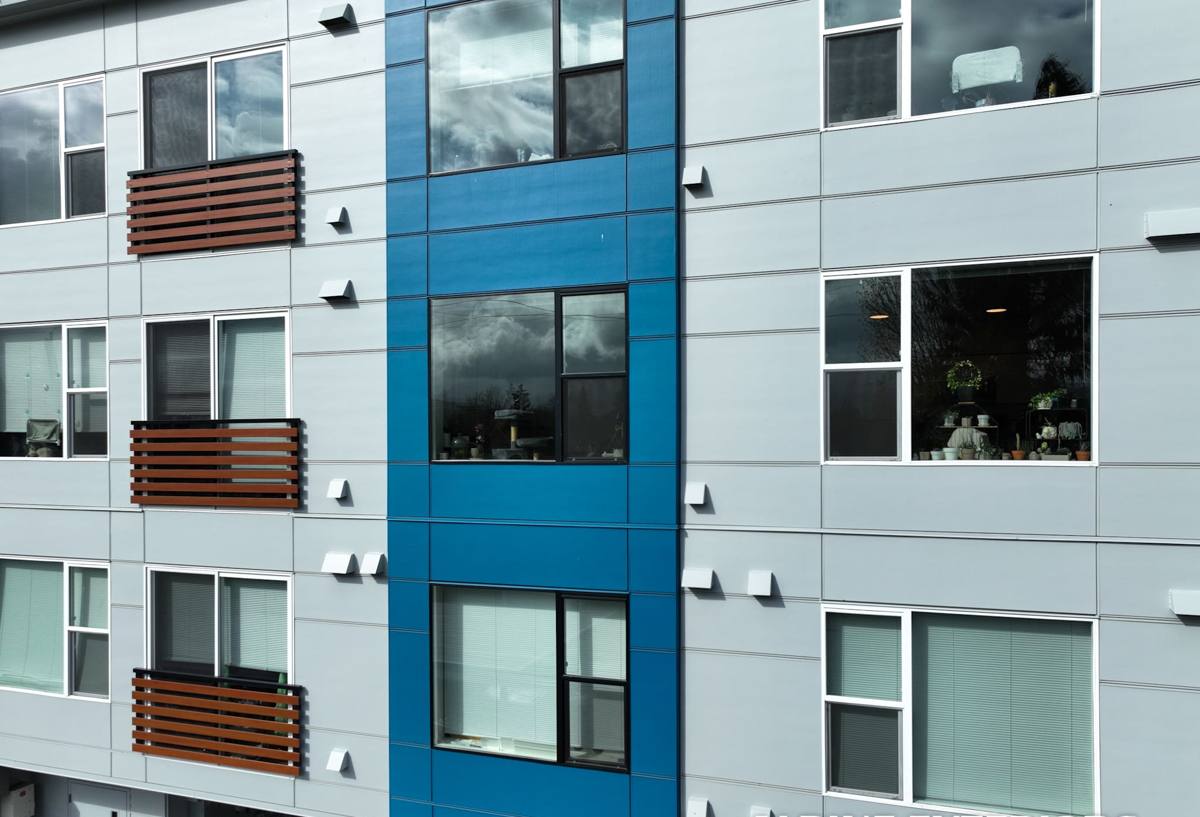
What "Custom" Actually Means Here
In a neighborhood with this much variation in home age and style, "custom" isn't a marketing word — it's a practical necessity. Standard off-the-shelf window sizes rarely fit older openings without either forcing the opening to change or leaving gaps that get packed with foam and hoped for the best. That approach is exactly how leaks and drafts start.
Custom fabrication covers things like:
- Exact-measure sizing for openings that were framed before modern standard sizes existed
- Matching sightlines and grid patterns so replacement windows don't look mismatched next to original trim or neighboring windows
- Adjusting for out-of-square openings, which is common in older homes that have settled over decades
- Selecting frame depth and mounting method appropriate for the wall assembly behind the stucco or siding
None of this shows up on a spec sheet, but it's the difference between a window that performs for two decades and one that starts showing problems in year three.
Wind Load, Impact Ratings, and Florida Building Code
Sarasota County isn't in the state's High-Velocity Hurricane Zone (that designation applies further south), but that doesn't mean window requirements here are loose. The Florida Building Code still requires windows to meet specific wind pressure and impact standards based on the home's location, height, and exposure category, and coastal and near-coastal neighborhoods like Southside Village typically fall into higher wind-load requirements than inland areas of the same county.
What that means in practice is that a window has to be rated — through testing and labeling, not just marketed — for the wind pressures it will actually face. Two homes a few blocks apart can have different requirements depending on exposure and roof height, which is one reason we calculate this per project rather than quoting a single standard spec for the whole neighborhood.
Key things we verify before ordering any window:
- Design pressure (DP) rating appropriate to the home's exposure and height
- Whether impact-rated glass is required or whether an approved protective system (like code-compliant shutters) is being paired with non-impact glass
- Correct product approval documentation (Florida Product Approval or Miami-Dade NOA, where applicable) for permitting
- Anchoring method matched to the actual wall substrate, not a generic installation guide
Glass and Frame Options That Actually Hold Up Near the Water
Salt air is hard on hardware, fasteners, and any frame material that isn't built to resist corrosion. UV exposure breaks down seals and finishes over time. Wind-driven rain finds any installation shortcut within the first few storms. The frame and glass package you choose has to account for all three, not just the one that's easiest to talk about (impact rating).
| Frame Material | Salt Air / Corrosion Resistance | Maintenance | Typical Trade-Offs |
|---|---|---|---|
| Vinyl | Good — won't corrode | Low | Can discolor or become brittle under years of intense UV if quality is low |
| Aluminum | Fair — needs quality coating/finish | Moderate | Conducts heat more than other options; coating quality matters a lot near the coast |
| Fiberglass | Very good | Low | Higher upfront cost; fewer style variations than vinyl |
| Wood / wood-clad | Poor without diligent upkeep | High | Best classic look for historic homes, but salt air and humidity make maintenance non-negotiable |
On the glass side, laminated glass (used in impact-rated units) has a real advantage beyond storm protection — it also blocks the vast majority of UV transmission, which helps protect flooring, furniture, and window treatments from fading in Florida's year-round sun. Low-E coatings help manage solar heat gain, which keeps cooling costs more reasonable in a climate where the AC runs most of the year.
Practical guidance for older homes:
If the home has original wood windows with historic character worth preserving, custom wood-clad or aluminum-clad wood units can maintain that look while adding modern performance — but only if the homeowner is realistic about the upkeep involved that near the bay. For most homeowners prioritizing long-term, low-maintenance performance, fiberglass or a high-quality vinyl impact unit is the more practical choice.
How Our Installation Process Works
A correctly installed custom window depends on sequence as much as product quality. Skipping steps or rushing flashing is where most window failures actually start — not with the window itself.
- Site measurement and inspection: we measure every opening individually and inspect the surrounding wall assembly for existing moisture damage or rot before ordering anything.
- Product selection and permitting: we match frame, glass, and design pressure rating to the specific opening and pull the required permit through the local building department.
- Removal: old units are removed carefully to protect surrounding stucco, siding, or trim, and the opening is inspected again once it's exposed.
- Flashing and moisture barrier: proper flashing tape and sill pan details are installed to direct any water that gets past the window back outside the wall, not into it.
- Setting and anchoring: the window is set plumb, level, and square, then anchored according to the manufacturer's tested installation instructions for the required design pressure.
- Sealing: appropriate sealants are applied at the correct joints — over-sealing or sealing the wrong joint can trap moisture instead of shedding it.
- Interior and exterior finish work: trim, caulking, and touch-up work are completed to match the home's existing finish.
- Final inspection: the completed installation is checked against permit requirements before close-out.
Common Problems We Find With Past Window Installations
A lot of our Southside Village calls start with a homeowner noticing a draft, a leak, or fogged glass on windows that were installed within the last decade. The window product usually isn't the problem — the installation is.
- Missing or incorrect flashing, allowing wind-driven rain to get behind the frame during storms
- Fasteners that don't match the tested anchoring pattern for the window's design pressure rating
- Gaps filled with expanding foam alone instead of proper flashing and sealant details
- Non-impact glass installed in openings that code or exposure conditions call for impact-rated units
- Seal failure on older insulated glass units, showing up as fogging or condensation between the panes
Any of these can look fine for a year or two before showing up as a real problem, which is why we inspect the full opening — not just the window — on every replacement.
What Affects the Cost of a Custom Window Project
We're not going to publish a fixed price list, since custom sizing and per-home wind ratings make every project different. What we can do is walk through the variables that actually move the number, so a quote makes sense instead of feeling arbitrary.
| Factor | Why It Matters |
|---|---|
| Number and size of openings | Larger and non-standard sizes require more custom fabrication |
| Required design pressure rating | Higher wind-load requirements mean heavier-duty glass and frame construction |
| Frame material | Vinyl, fiberglass, aluminum, and wood-clad all carry different material and labor costs |
| Glass package | Impact laminated glass, Low-E coatings, and tinting each add cost but also add performance |
| Condition of the existing opening | Rot repair or reframing adds labor beyond the window itself |
| Permitting and inspection | Required on essentially all replacement window work in Sarasota County |
Maintenance That Matters in a Salt Air Environment
Even a correctly installed, high-quality window benefits from basic upkeep in this climate. Salt residue left on frames and hardware accelerates corrosion, and clogged weep holes (the small drainage openings at the bottom of the frame) can cause water to back up into the wall instead of draining outside.
A simple seasonal routine:
- Rinse frames and glass periodically to remove salt residue, especially after storms
- Check that weep holes are clear of debris, sand, or paint
- Inspect exterior caulk lines once a year for cracking or separation
- Operate hardware (locks, cranks, latches) periodically so components don't seize from disuse
- Watch for early signs of seal failure, like fogging between panes, and address it before it spreads to trim or wall finishes
Why Local Experience in Southside Village Actually Matters
A crew that regularly works this neighborhood already knows the kind of variation to expect — the mix of older openings and newer additions, the wind exposure this close to the bay, and the permitting expectations of Sarasota's building department. That's not a small thing when a project involves custom sizing and code-driven wind ratings; guesswork on any of those points shows up later as a leak, a failed inspection, or a window that doesn't perform the way it should in the next storm season. We'd rather get the measurements, the ratings, and the installation details right the first time than come back to fix a shortcut.
If you're weighing custom window replacement for a home in Southside Village, we're glad to take a look, measure what's actually there, and give you a straightforward estimate — no pressure, no inflated scope, just what the home needs. Use the form below to request a free estimate.