 Sarasota Roofing
 Why Longboat Key Windows Take a Different Approach
Longboat Key sits out on a barrier island, which means every window on a home there is doing more work than a window a few miles inland. Hurricane-force winds and wind-driven rain come straight off the Gulf with nothing to slow them down. Salt air corrodes hardware and frames faster than it does in a landlocked neighborhood. Year-round Florida UV bakes vinyl, seals, and glazing compounds every single day, not just in summer. None of this is exotic knowledge to anyone who's lived out there a while — it's just the reality of the location. It does mean that windows selected and installed the way they'd be installed in a typical subdivision often underperform, fail early, or never should have passed inspection in the first place.
"Custom" in this context isn't a marketing word. It means sizing, framing, and hardware chosen for the specific opening, the specific exposure, and the specific wind and water demands of a barrier island house — not whatever happens to be in stock at a big box store.
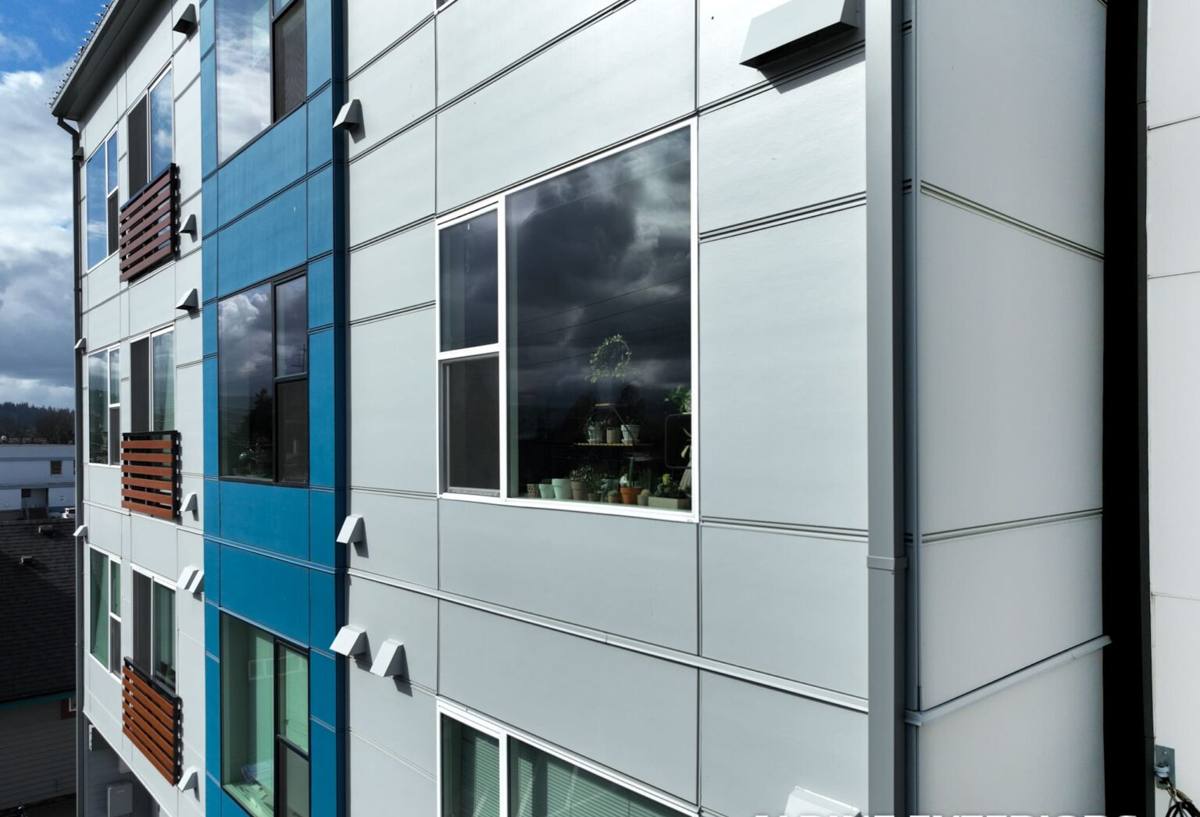
What "Custom" Actually Means for a Longboat Key Home
A lot of homes on the Key aren't standard tract construction. You'll find older Florida block homes with openings that have settled or shifted slightly out of square over the decades, mid-century and ranch-style houses with non-standard window shapes, condo and townhome units with association-specific requirements, and newer coastal builds with large openings meant to take advantage of water views. Off-the-shelf replacement windows are manufactured to standard sizes and assume a square, plumb opening. When that's not what you have, a stock window either doesn't fit right, gets shimmed and packed with foam in a way that compromises the seal, or leaves gaps that become entry points for wind-driven rain during a storm.
Custom windows are manufactured to the actual measured dimensions of your opening, with the frame, reinforcement, and anchoring spec'd for the wind loads that opening has to resist. That's the difference between a window that's installed and a window that's actually engineered for the house it's going into.
Common Situations We See on the Key
- Openings that are slightly out of square from age or settling, common in older block construction
- Large picture or slider-style openings on Gulf- or bay-facing elevations that need higher wind and impact ratings than the rest of the house
- Condo and multi-family units where the association has specific approved window specs or exterior appearance requirements
- Homes with visible corrosion on existing frames or hardware from long-term salt exposure
- Renovation projects where window openings are being resized or combined, not just replaced in place
Impact-Rated Glass vs. Standard Glass with Shutters
There are two accepted ways to meet Florida's wind-borne debris protection requirements in coastal wind zones: impact-rated windows, or standard windows paired with code-compliant shutters or panels that get installed before a storm. Both are legitimate approaches, and which one makes sense depends on the house, the budget, and how the homeowner actually wants to live day to day.
| Factor | Impact-Rated Windows | Standard Glass + Shutters |
|---|---|---|
| Upfront cost | Higher per opening | Lower window cost, added shutter cost |
| Storm prep | None — no deployment needed | Shutters must be installed or closed before a storm |
| Daily use | Full light and view, all the time | Full light and view when shutters are open |
| Noise and UV reduction | Better, even outside storm season | No everyday benefit |
| Insurance considerations | Often favorable, ask your carrier | Varies by carrier and shutter type |
| Maintenance | Glass and frame seals, hardware | Window plus separate shutter hardware and tracks |
For a lot of Longboat Key homeowners, especially in second homes or units that sit empty for stretches, impact glass wins simply because there's nothing to remember to do before a storm. But shutters paired with a well-built standard window are a valid, code-compliant option, and we'll walk through both honestly rather than push whichever costs more.
Frame Materials and How They Actually Hold Up to Salt Air
Frame material matters as much as the glass on a barrier island. Salt air is corrosive to metal hardware and fasteners, and constant UV exposure degrades some materials faster than others.
Vinyl
Good performance for the cost, doesn't corrode, but lower-grade vinyl can discolor or become brittle under years of continuous Florida sun. Quality matters more here than almost anywhere in the country.
Aluminum
Strong and a traditional choice for coastal Florida, but hardware and fasteners need to be corrosion-resistant grade, not standard steel, or they'll rust out well before the frame itself fails.
Fiberglass
Handles thermal movement and UV exposure well and doesn't corrode, at a higher price point than vinyl.
Wood and Wood-Clad
Can look great, but on a barrier island it takes a real, ongoing maintenance commitment to keep moisture and salt from getting into exposed wood. We'll always tell a homeowner upfront what that maintenance burden looks like before they commit to it.
What a Correct Installation Actually Involves
The window unit itself is only part of the job. A lot of window failures on coastal homes — leaks, wind damage, fogged glass — trace back to installation shortcuts, not a bad product. A correct installation on a Longboat Key home includes:
- Removing the old window and inspecting the rough opening for hidden rot, corrosion, or structural issues before anything new goes in
- Proper flashing and water management around the opening so wind-driven rain can't track behind the frame
- Sealants and flashing tapes rated for the temperature swings and UV exposure of this climate, not generic interior-grade products
- Anchoring and fasteners matched to the substrate and to the wind load the opening needs to resist
- Corrosion-resistant hardware throughout, given the salt air
- Correct shimming and leveling so the window operates properly and seals evenly for its full service life
- Interior and exterior finish work that restores the opening cleanly, inside and out
Skip any one of these and the window can look fine for a while and still leak or fail well before it should. This is exactly why the installation crew matters as much as the window brand.
Permitting and Code Considerations Specific to This Area
Windows on Longboat Key homes are subject to Florida Building Code wind-borne debris and coastal construction requirements, and permitting runs through the local building department. Depending on the property, there may also be coastal construction control line considerations or condo/HOA architectural approval to work through before a permit is even pulled. None of this is optional paperwork to skip — it's what confirms the window that goes in is actually rated for what this stretch of coast requires, and it protects you if you ever need to make an insurance claim or sell the home. We handle the permitting and inspection process as part of the job rather than leaving a homeowner to sort it out.
Our Process From Estimate to Finished Job
- On-site assessment: We measure openings, check for structural or moisture issues, and talk through what the home actually needs given its exposure.
- Product and glass selection: We go over impact vs. shutter options, frame materials, and realistic cost ranges based on your priorities and budget.
- Written estimate: Clear scope, materials, and pricing before anything is ordered.
- Permitting: We handle the permit application and any HOA or association documentation the job requires.
- Installation: Old windows removed, openings inspected and prepped, new units installed with proper flashing, sealing, and anchoring.
- Final inspection and walkthrough: We confirm everything operates correctly and passes required inspections before we call the job done.
Living with Salt Air: Maintenance That Actually Extends Window Life
Even a well-installed, well-chosen window needs some upkeep in this environment. A short seasonal routine goes a long way:
- Rinse frames and glass periodically to clear salt residue, especially on Gulf- and bay-facing sides
- Check and lubricate hardware, locks, and rollers a couple times a year
- Inspect exterior sealant and caulking annually for cracking or separation and have it addressed before it becomes a leak
- Look over weep holes and drainage tracks to make sure they're clear and draining properly
- Have shutters or panels inspected and test-fitted before hurricane season if that's your storm protection approach
Why Hiring a Crew That Already Works Longboat Key Matters
Barrier island jobs come with logistics and requirements that inland jobs don't. Bridge access and seasonal traffic affect scheduling. Many properties are condo or HOA units with their own approval processes and exterior standards that have to be worked into the permit and product selection before installation even starts. And a crew that's done this work up and down the Key already knows what the local building department expects to see on a permit application, what inspection issues tend to come up on these properties, and how to sequence a job around a coastal exposure without cutting corners. That local familiarity is what keeps a project from stalling out on paperwork or getting flagged at inspection over something that should have been caught up front.
If you're weighing options for a Longboat Key home — whether it's a full replacement, upgrading to impact glass, or dealing with a problem opening that's never sealed right — we're happy to take a look and give you a straightforward, no-pressure estimate using the form below.