 Sarasota Roofing
 Building a Deck That Actually Holds Up on the Gulf Coast
A deck in Bradenton lives a harder life than a deck almost anywhere else in the country. It sits under intense, nearly year-round UV exposure, takes wind-driven rain straight off the Gulf and Sarasota Bay, and absorbs salt-laden air that corrodes metal fasteners and connectors faster than most homeowners expect. Add in the occasional hurricane-force wind event, and you have a structure that needs to be engineered for this climate specifically, not just built to a generic national spec.
We build and repair decks throughout the Bradenton and greater Sarasota area, and the single biggest thing we see go wrong on decks that weren't built by a local, climate-aware crew is that they were built to look right on day one, not to perform for the next fifteen years of sun, salt, and storms.
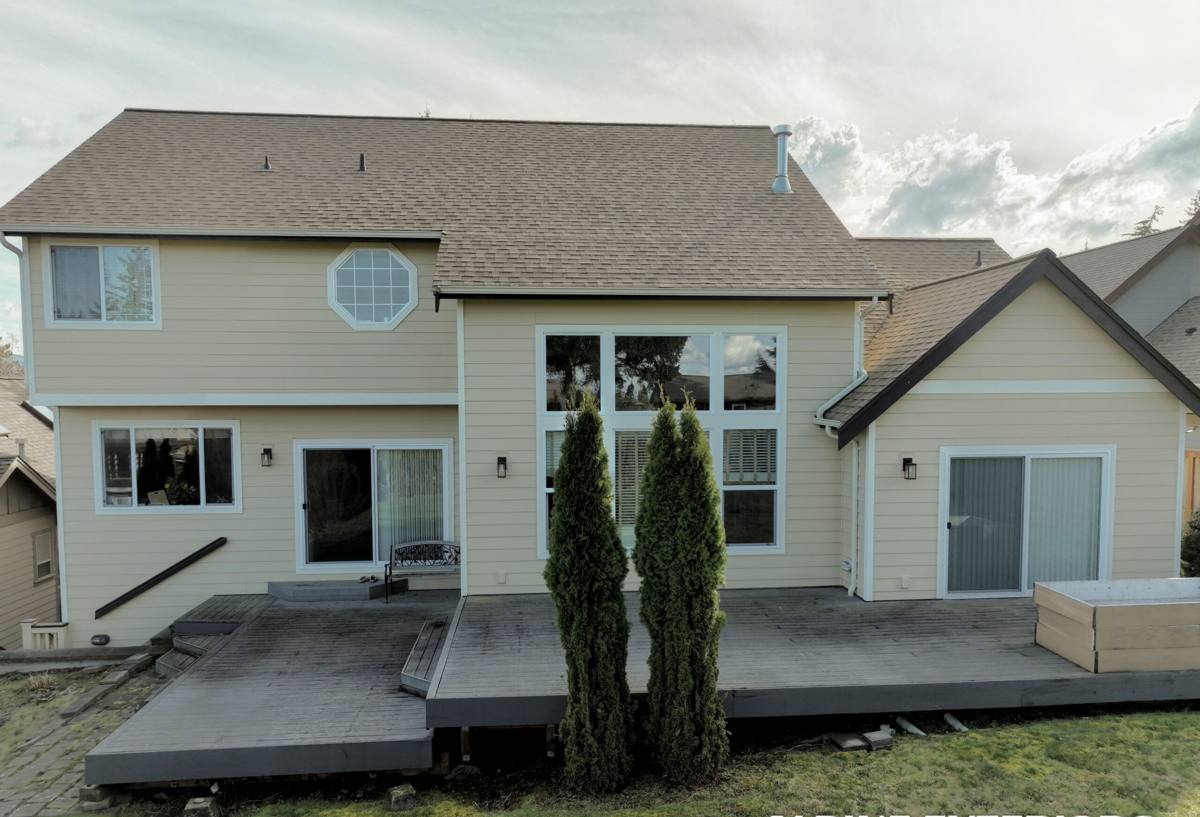
What Bradenton's Climate Actually Does to a Deck
UV and Heat
Sarasota County sun is relentless. Untreated or poorly finished wood decking can gray, split, and check within a couple of seasons. Composite and PVC decking are far more UV-stable, but even those products vary a lot in how well their color and surface hold up under constant direct sun — cheaper composite lines can fade or chalk faster than mid- and upper-tier products.
Wind-Driven Rain and Humidity
Storms here rarely arrive as gentle vertical rain. Wind pushes water sideways and up under railings, into fastener holes, and along ledger boards. Wood that isn't properly flashed and sealed at connection points will trap moisture and rot from the inside out, often before it shows visible damage on the surface.
Salt Air Corrosion
Being close to the coast means airborne salt reaches decks even a good distance inland. Standard galvanized fasteners and hardware can corrode, streak, and eventually fail well ahead of schedule. This is one of the most common causes of premature deck failure we're called out to inspect — not rotten wood, but rusted-out hardware holding the structure together.
Wind Load
Deck framing, railing posts, and structural connections all need to be sized and fastened to resist real regional wind loads, not just support foot traffic. This matters for railing posts especially, since a loose or undersized post is a safety issue long before it's a cosmetic one.
Choosing the Right Decking Material for This Area
There's no single "best" decking material — the right choice depends on budget, how much upkeep you want to take on, and how the deck will be used. Here's how the common options actually compare under Gulf Coast conditions:
| Material | Upfront Cost | UV/Sun Resistance | Salt Air & Moisture Resistance | Maintenance | Typical Lifespan Here |
|---|---|---|---|---|---|
| Pressure-treated pine | Lowest | Fair — grays and can check without upkeep | Fair with proper fasteners and sealing | High — needs regular sealing/staining | 10–15 years |
| Tropical hardwood (e.g. ipe) | High | Good, but color fades without oiling | Very good — naturally dense and rot-resistant | Moderate — periodic oiling for color | 20–25+ years |
| Composite decking | Mid to high | Good to very good, varies by product tier | Very good | Low — occasional cleaning | 20–25 years |
| PVC/cellular decking | Highest | Excellent | Excellent — fully synthetic, no rot | Very low | 25–30 years |
We frame every deck we build with pressure-treated structural lumber regardless of what decking surface goes on top, since the framing needs to be strong and moisture-resistant even under a low-maintenance composite or PVC deck board.
Hardware and Fasteners Matter More Here Than the Wood Species
Given the salt air issue, we treat fastener and connector selection as a core part of the design, not an afterthought. That means stainless steel or coated fasteners rated for coastal and treated-lumber use, corrosion-resistant joist hangers and post bases, and hidden fastening systems on composite and PVC decking where the manufacturer supports it. Using standard interior-grade hardware on a coastal deck is one of the most common shortcuts that leads to early failure, and it's often invisible until something starts to loosen or rust-stain the decking around it.
Structural and Code Considerations for Bradenton-Area Homes
Ledger Attachment and Flashing
Where a deck ties into the house, the ledger board connection and its flashing are the single most important detail on the whole project. Done wrong, this is where wind-driven rain gets behind siding and framing and causes rot that's expensive to find and fix later. We flash every ledger connection to shed water away from the house, not toward it.
Footings and Post Bases
Florida's sandy soils and high water table mean footing depth and sizing need to be handled correctly for the specific lot, not assumed from a generic plan. Post bases should hold posts up off the concrete and decking surface to avoid standing water and wood-to-concrete contact, which speeds up rot.
Railings and Guards
Railing height, baluster spacing, and post attachment all fall under Florida Building Code requirements, and these aren't optional details — they're safety-critical, especially on elevated decks. Loose or undersized railing posts are one of the most common issues we find on older or previously DIY-built decks in the area.
Permitting
Most new deck construction and many significant deck rebuilds in this area require a permit and inspection. We handle the permitting process as part of the job so the deck is documented, inspected, and built to code — which also matters if you sell the home later and a buyer's inspector checks for permitted work.
What a Correctly Built Deck Includes
- Ledger board properly flashed and sealed against the house structure
- Pressure-treated structural framing sized for the actual span and load, not just "close enough"
- Corrosion-resistant fasteners and structural connectors rated for coastal exposure
- Footings sized and set to local soil conditions and code depth
- Post bases and joists kept clear of standing water and direct ground contact
- Railing posts, height, and baluster spacing built to Florida Building Code
- Decking gaps and fastening pattern matched to the chosen material's expansion behavior in heat
- Under-deck drainage or airflow considered so moisture doesn't sit trapped beneath the structure
- A permit pulled and inspections completed before the project is called finished
Repair, Rebuild, or New Build?
Not every deck problem means starting over. If the framing and footings are sound and the issue is surface-level — worn decking, rusted hardware, a wobbly railing — repair or a resurfacing with new decking boards can extend the life of a deck significantly for a fraction of the cost of a full rebuild. But if the ledger connection has rot behind it, if joists have soft spots, or if the structure was never permitted or engineered for local wind loads to begin with, patching the surface just delays the real problem. Part of our estimate process is an honest read on which category your deck falls into before we recommend anything.
Our Process for Bradenton-Area Deck Projects
- On-site assessment: We look at the house's ledger area, the yard's grade and drainage, sun exposure, and how you plan to use the space.
- Material and layout discussion: We walk through the material comparison in plain terms based on your budget and how much upkeep you actually want to take on.
- Design and permit drawings: We put together a plan sized to local wind and load requirements and handle the permit submission.
- Framing and structural build: Ledger flashing, footings, framing, and hardware go in first, with every connection built to hold up to coastal conditions.
- Decking, railing, and finish: Surface material and railing are installed and fastened per the manufacturer's coastal-use guidance where applicable.
- Final inspection and walkthrough: We confirm the permit inspection passes and walk you through basic care for whatever material you chose.
Why a Local, Coastal-Experienced Crew Matters
A deck built from a plan designed for a drier, cooler climate — without adjustments for salt air hardware, wind-driven rain flashing, and Gulf Coast wind loads — tends to show its weaknesses within a few years, right around when the manufacturer's basic warranty is losing relevance and the real cost of a redo lands on the homeowner. Crews that work Bradenton and the surrounding Sarasota County area regularly know which fastener grades actually hold up here, how to detail ledger flashing for wind-driven rain, and what local permitting offices expect to see on a deck plan. That local repetition is what keeps a deck performing well past year one, not just looking good in the first season.
If you're planning a new deck, replacing an aging one, or just want an honest read on whether yours needs repair or replacement, we're happy to take a look and put together a straightforward estimate — no pressure, no obligation. Use the form below to get started.