 Sarasota Roofing
 Why Window Installation in Fruitville Takes Local Know-How
Fruitville homes sit inland from Sarasota's beaches and barrier islands, but that distance buys very little protection from what actually wears out a window. Sarasota County sits squarely inside Florida's wind-borne debris region, which means the same hurricane wind loads, driving rain, and year-round UV exposure that hit coastal properties reach Fruitville too. Add the county's humidity and the slow corrosive effect of salt-laden air that drifts well inland during onshore weather, and you get a climate that is genuinely hard on windows — old single-pane units, worn aluminum frames, and failed seals show up here just as often as they do closer to the water.
Installing a window correctly in this climate is not the same job as installing one in a dry, low-wind region. The frame, the glass package, the fasteners, and the flashing all have to be chosen and installed to hold up against wind pressure, keep wind-driven rain out of the wall cavity, and shrug off UV and humidity for years without warping, fogging, or letting water in behind the trim.
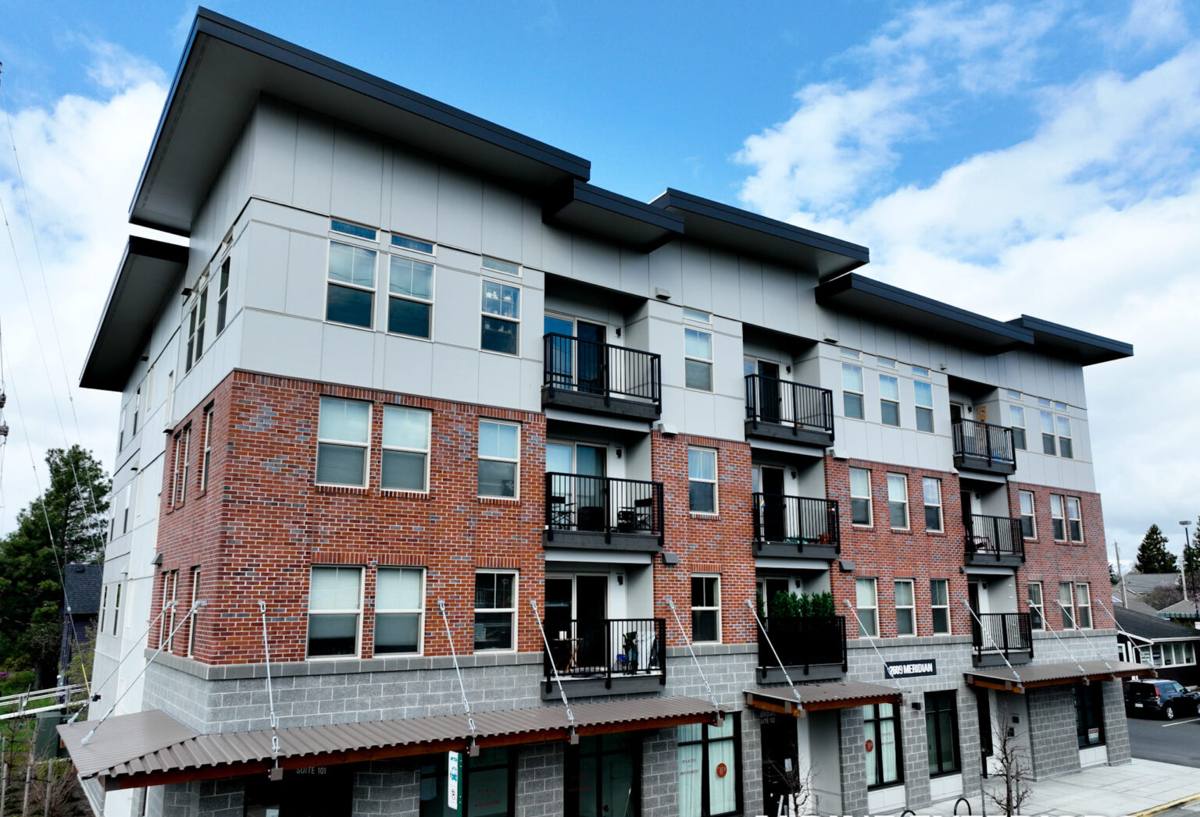
Signs a Fruitville Home Is Due for New Windows
Most homeowners don't think about their windows until something goes wrong, but a few warning signs tend to show up well before a full failure. Catching them early usually means a simpler, less expensive fix than waiting until water has already gotten into the wall.
- Fogging or a hazy film between panes on double-pane windows — the seal has failed and the insulating gas has escaped
- Windows that are difficult to open, close, or lock, often from a frame that has swollen, warped, or shifted
- Visible daylight, drafts, or whistling sounds around the frame during windy weather
- Soft spots, staining, or bubbling paint on the wall or trim below or beside the window
- Noticeably higher cooling bills with no other explanation, especially in older single-pane homes
- Chalky, pitted, or discolored aluminum frames from years of UV and salt air exposure
What a Correct Installation Actually Involves
A window installation is only as good as what happens inside the wall, most of which is never visible again once the trim goes back on. The details below are where a rushed or inexperienced install and a correct one start to look very different.
Removing the Old Window Without Wrecking the Rough Opening
The old window and its fasteners come out carefully so the rough opening — the framed hole in the wall — stays square and undamaged. This is also the point where hidden problems get found: soft or rotted framing, old caulk failures, or signs of past water intrusion. Any of that needs to be addressed before a new window goes in, because sealing a new window over a compromised opening just hides the problem for a few more years.
Flashing and Water Management
Flashing is the layer of water-resistant material installed around the rough opening before the window ever goes in. Done correctly, it directs any water that gets past the window's exterior seal back out of the wall instead of letting it soak into the framing. This step is easy to shortcut and impossible to inspect later without removing the window, which is exactly why it matters who does it.
Anchoring, Shimming, and Fastening to Meet Wind Load
The window has to be shimmed level and plumb, then anchored with fasteners spaced and sized to meet the wind load the product is rated for. A window that is structurally sound on paper but installed with the wrong fastener pattern or inadequate shimming will not perform to its rating in an actual storm.
Sealing, Insulating, and Finishing
The gap between the window frame and the rough opening gets insulated and sealed with the right materials — not just caulk, but backer rod and sealant sized for the gap, plus interior and exterior trim that finishes the job cleanly. Poor sealing here is one of the most common sources of drafts and slow water intrusion in an otherwise good window.
Impact-Rated Glass vs. Standard Windows with Shutters
Homeowners in Fruitville generally choose between two approaches to storm protection: impact-rated windows, or standard windows paired with separate hurricane shutters. Both can meet code, but they behave very differently day to day.
| Factor | Impact-Rated Windows | Standard Windows + Shutters |
|---|---|---|
| Storm protection | Built into the window at all times | Only effective once shutters are deployed |
| Upfront cost | Higher | Lower window cost, plus shutter cost |
| Daily living | No action needed before a storm | Shutters must be installed before every storm |
| Natural light while shuttered | Unaffected — glass stays exposed | Home goes dark once shutters are up |
| Noise and UV reduction | Laminated glass cuts both year-round | Standard glass offers little of either |
| Maintenance | Frame and seals only | Window seals plus shutter tracks and hardware |
Neither option is wrong, and the right call often comes down to budget and how much manual storm prep a household wants to deal with each hurricane season. What matters most is that whichever path you choose is installed to the wind pressure rating your home actually needs — not just whatever was in stock.
Choosing a Frame Material for Sarasota's Climate
Frame material affects how a window handles humidity, salt air, and years of UV exposure. There's no single right answer for every home, but the trade-offs are worth understanding before you decide.
| Frame Material | Strengths in This Climate | Trade-Offs |
|---|---|---|
| Vinyl | Won't corrode, low maintenance, good insulator | Can expand/contract with heat; quality varies by manufacturer |
| Aluminum | Strong, slim sightlines, handles wind load well | Conducts heat and cold; needs a quality finish to resist salt air corrosion |
| Fiberglass | Very stable in heat and humidity, holds paint well | Higher material cost |
| Wood-composite | Traditional appearance, good insulation | Needs consistent upkeep in humid, salt-influenced air |
We generally steer Fruitville homeowners away from bare, unfinished aluminum and lower-grade vinyl for anything facing prevailing wind and weather — not because either material is inherently bad, but because their long-term performance in this climate depends heavily on finish quality and installation care, and cutting corners there tends to show up as pitting, discoloration, or seal failure years earlier than it should.
Permits, Wind Zones, and Florida Building Code
Window replacement in Sarasota County is a permitted job, not a weekend swap. Because the county falls within Florida's wind-borne debris region, replacement windows generally need to carry a Florida Product Approval or Miami-Dade Notice of Acceptance showing they're rated for the wind pressures your specific home and elevation require. That rating depends on factors like the window's size, its height on the building, and how exposed that side of the house is — it is not a single blanket number for the whole county.
We pull the permit, handle the required inspections, and make sure the product documentation matches what's actually installed. Skipping this step, or letting a contractor talk you into "owner-permitting" a job they should be pulling themselves, can come back to bite you later — during a home sale, an insurance claim, or a future inspection — when there's no paper trail showing the work was done to code.
Our Process From Estimate to Final Walkthrough
The process is straightforward, and we keep you informed at each stage rather than disappearing between the estimate and install day.
- Free on-site assessment: we measure openings, check for existing water or structural issues, and talk through your priorities — storm protection, energy efficiency, noise, budget
- Product recommendation and written estimate: options matched to your home's wind exposure and your budget, with no pressure to upsell beyond what the job actually needs
- Permitting: we pull the required Sarasota County permit and prepare product documentation before ordering
- Installation: old windows removed, openings inspected and corrected if needed, new windows flashed, anchored, sealed, and trimmed
- Inspection and walkthrough: we confirm everything operates correctly, seals are clean, and the permit closes out properly
Why Hiring a Crew That Already Works Fruitville Matters
A window installer who regularly works in Fruitville and the surrounding Sarasota area already knows the permitting process at the county level, understands what wind pressure ratings tend to apply in this area, and has seen firsthand how the local combination of heat, humidity, and salt air ages different products and installation methods over time. That experience shows up in fewer surprises mid-job, a smoother permit process, and a finished window that's actually built for the conditions it has to survive here — not a generic install borrowed from a drier, calmer climate.
It also matters for accountability. A local, licensed crew with a track record in the area is easy to reach if a question comes up after the job is done, and has a reputation in the community worth protecting.
A Quick Checklist Before You Hire
- Confirm the contractor is licensed to work in Florida and carries current liability and workers' comp insurance
- Ask whether they pull their own permits through Sarasota County
- Get the Florida Product Approval or Miami-Dade NOA documentation for the specific window product being quoted
- Ask how the fastening and flashing details are handled — not just what glass or frame you're getting
- Get the wind pressure rating in writing and confirm it matches what your home's elevation and exposure require
- Ask about the warranty structure for both the product and the labor, and get it in writing
If your Fruitville home has aging windows, foggy glass, or you're simply ready to upgrade to something built for Sarasota County's wind and weather, we're happy to take a look and put together a free, no-pressure estimate. Use the form below to get started.