 Sarasota Roofing
 Osprey's Climate Is Hard on Roofs
Osprey sits in that stretch of Sarasota County where the roof over your head does real work every single day. It isn't just the occasional named storm. It's the combination of things that never lets up: intense UV exposure nearly year-round, salt-laden air drifting in off Little Sarasota Bay and the Gulf, sudden wind-driven downpours in summer, and the real possibility of hurricane-force winds during storm season. Any one of those on its own would age a roof. Together, they compound.
UV breaks down asphalt shingles and the protective granules on their surface faster here than in most of the country. Salt air corrodes exposed metal fasteners, flashing, and vents over time. Wind-driven rain finds any gap in a roof system and pushes water sideways and upward, not just down — which is why so many Osprey roof leaks show up nowhere near where the actual damage is. And when a tropical system or a strong summer squall rolls through, uplift forces test every nail, seam, and edge of the roof at once. A roof that's been quietly weakening for years often reveals that damage during the next big wind event, not before.
Roof repair in this environment isn't about patching a hole and moving on. It's about understanding how these stressors interact on a specific roof, in a specific location, and fixing the actual cause — not just the visible symptom.
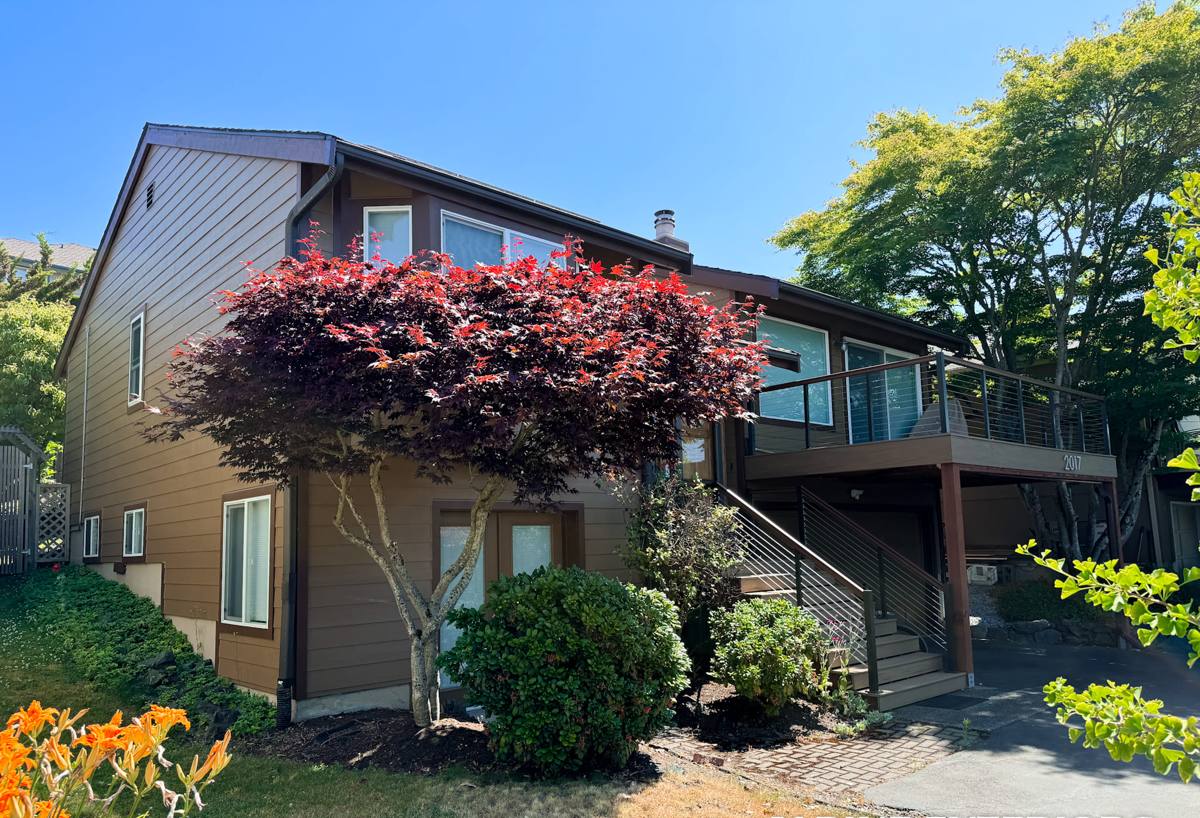
Signs Your Osprey Home Needs Roof Repair
Most roof problems don't announce themselves with a dramatic leak on day one. They start small and get worse with every rainstorm and every wind event. Homeowners in Osprey should treat any of the following as a reason to get a roof looked at, not wait it out:
- Water stains on interior ceilings or upper walls, even faint ones that seem to come and go
- Missing, cracked, curling, or lifted shingles, especially after a windy afternoon storm
- Granules collecting in gutters or at downspout outlets — a sign of UV and age breaking down shingle surfaces
- Soft or spongy spots when walking the roof deck, which usually means water has already reached the wood underneath
- Rusted, lifted, or visibly corroded flashing around chimneys, skylights, or roof-to-wall transitions
- Daylight visible through the attic roof deck, or a musty smell in the attic space
- Sagging sections along the roofline, which can indicate structural moisture damage, not just a surface issue
Any single item on that list can usually be repaired if caught early. Left alone through another wet season, small issues turn into deck rot, insulation damage, and interior repairs that cost far more than the roof work itself would have.
What a Proper Roof Repair Actually Involves
A roof repair done right starts with figuring out where water is actually entering — which is not always where the stain shows up inside. Water travels along the underside of decking and framing before it drips down, so an honest repair begins with a real inspection of the roof surface, the flashing details, the vents, and the attic side of the deck, not just a patch slapped over the spot a homeowner points to.
Diagnosis Before Repair
We look at the whole roof system: shingles or roofing material condition, flashing at every penetration and transition, sealant condition around vents and pipe boots, valley condition, and the underlayment where it's exposed or accessible. In coastal Florida conditions, flashing and sealant failures are just as common a leak source as shingle damage — sometimes more common, because they fail quietly.
Matching the Repair to the Damage
Once we know the cause, the repair addresses that cause specifically. That might mean replacing a section of shingles and the underlayment beneath them, resealing and re-flashing a penetration, replacing a damaged pipe boot, or repairing a compromised valley. It should never mean covering a problem with sealant or cement as a permanent fix — that's a stopgap that fails again, usually within a season or two in this climate.
Matching Materials, Not Just Color
A repair should blend with the surrounding roof in material type, profile, and as close to color match as products allow, and it should tie into the existing roof system correctly so water sheds the way it's supposed to. A patch that looks fine but doesn't integrate properly with surrounding shingles or flashing just creates a new weak point.
Repair Approaches by Roofing Material
Osprey has a mix of roofing types across older ranch homes, newer construction, and coastal properties. The right repair approach depends heavily on what's already on the roof.
| Material | Common Issue in This Climate | Typical Repair Approach |
|---|---|---|
| Asphalt Shingle | UV granule loss, wind-lifted or missing shingles, nail pops | Section replacement with matching shingle and fresh underlayment beneath |
| Tile (concrete or clay) | Cracked or slipped tiles, underlayment failure beneath intact tiles | Careful tile removal, underlayment repair, and reset or replacement of damaged tiles |
| Metal | Fastener corrosion, sealant failure at seams and penetrations, panel movement | Fastener replacement, reseal or re-flash affected seams, panel realignment |
| Flat / Low-Slope | Membrane seam failure, ponding water, flashing separation at walls | Seam repair or patch matched to membrane type, drainage correction where needed |
Tile roofs deserve a specific note: the tile itself is often fine while the underlayment beneath it has failed. That's an easy thing to miss without pulling tile back to check, which is why a surface-only look at a tile roof can miss the real problem entirely.
Our Roof Repair Process in Osprey
We keep the process straightforward because homeowners deserve to know exactly what's happening to their roof and why.
1. Inspection and Diagnosis
We walk the roof, check the attic side where accessible, and identify the actual source of the problem — not just where the symptom shows up.
2. Clear Explanation and Estimate
You get a plain-English explanation of what we found, what caused it, and what it will take to fix it correctly. No pressure toward a bigger job than the roof actually needs.
3. The Repair Itself
We remove and replace only the damaged materials, install correct flashing and underlayment details at the repair site, and make sure the finished repair ties into the surrounding roof properly so it performs as one system, not a patch bolted onto an existing one.
4. Cleanup and Final Check
We clear debris and old materials from the site and do a final check of the repair area before we consider the job done.
Repair or Replace? How We Help You Decide
Not every roof problem calls for a full replacement, and not every roof problem should be treated as a quick patch either. The honest answer depends on the roof's age, how much of it is affected, and how the rest of the roof is holding up.
A roof with isolated damage — a storm-lifted section, a failed flashing detail, a cracked vent boot — on an otherwise sound roof is usually a straightforward repair candidate, regardless of the roof's age. A roof with widespread granule loss, multiple problem areas, or a deck showing soft spots in more than one location is often past the point where repair makes sense as a long-term answer, and we'll say so directly rather than stacking repairs on a roof that's genuinely at the end of its service life.
We'll never recommend replacement just because it's a bigger job. If a repair is the right call, that's what we'll estimate and do.
Storm Damage, Insurance, and Wind Mitigation
Sarasota County homeowners deal with insurance and storm-related roof questions more than most. A few things are worth knowing going in. Wind and impact damage from a named storm or a strong straight-line wind event is often distinct, in an insurance sense, from gradual wear-and-tear damage — and the two get treated very differently by adjusters. That's part of why an honest, documented diagnosis matters: it distinguishes storm-caused damage from age-related deterioration so there's a clear, accurate record if a claim is involved.
We also get asked about wind mitigation inspections and how repairs interact with them. Repairs done correctly — proper fastening, correct flashing, code-compliant materials — support a roof's wind mitigation standing. Repairs done as a quick cover-up can undermine it. That's one more reason a repair should be done to hold up under the next wind event, not just to look fixed today.
Maintenance Checklist for Osprey Homeowners
Between repairs, a little attention goes a long way in this climate. Homeowners can catch most developing problems early by checking these regularly:
- Look up after any strong storm for visibly missing, lifted, or displaced shingles or tiles
- Check gutters and downspouts for granule buildup or debris blocking water flow
- Scan interior ceilings monthly for new stains, discoloration, or soft spots in drywall
- Keep tree limbs trimmed back from the roofline to reduce abrasion and debris buildup
- Have flashing and sealant around vents, chimneys, and skylights checked every year or two, since these wear out well before the roofing material around them does
- Note the roof's age and last inspection date so you know when it's due for a professional look, even with no visible problems
None of this replaces a professional inspection, but it means small issues get caught between visits instead of turning into interior damage.
Why Local Experience in Osprey Matters
A crew that regularly works roofs in Osprey and the surrounding Sarasota County area knows what this specific coastal environment does to roofing materials over time — where flashing tends to fail first, how salt air and UV exposure show up differently than they would inland, and what kind of wind exposure a given property is likely to see based on its setting. That local pattern recognition is part of what makes a diagnosis accurate the first time instead of a guess that gets revisited after the next storm.
It also means someone who understands the county's permitting and code requirements for roof repair work, and who's still local and reachable if a question comes up after the job is finished — not a crew that worked the area once for a storm rush and then moved on.
If you're dealing with a leak, storm damage, or a roof that's just showing its age, we're happy to take a look and give you a straight answer. Reach out for a free, no-pressure estimate using the form below.