 Sarasota Roofing
 Storm Damage Roof Repair for University Park Homes
University Park sits inland from the Gulf but is still squarely inside the storm track that defines roofing here in Sarasota County. Homes in this area take on the same combination of threats as anywhere else in the region — hurricane-force wind gusts, wind-driven rain that finds every gap in flashing and underlayment, intense year-round UV that breaks down roofing materials from the top down, and salt-laden air that speeds up corrosion on fasteners and metal components even miles from the beach. When a storm rolls through, the damage isn't always obvious from the driveway, and that's exactly why storm damage repair has to be done by someone who knows what to look for and how to fix it correctly the first time.
This page covers what storm damage repair actually involves for homes in and around University Park, how we approach it, and what to expect if you're dealing with roof damage after a recent storm.
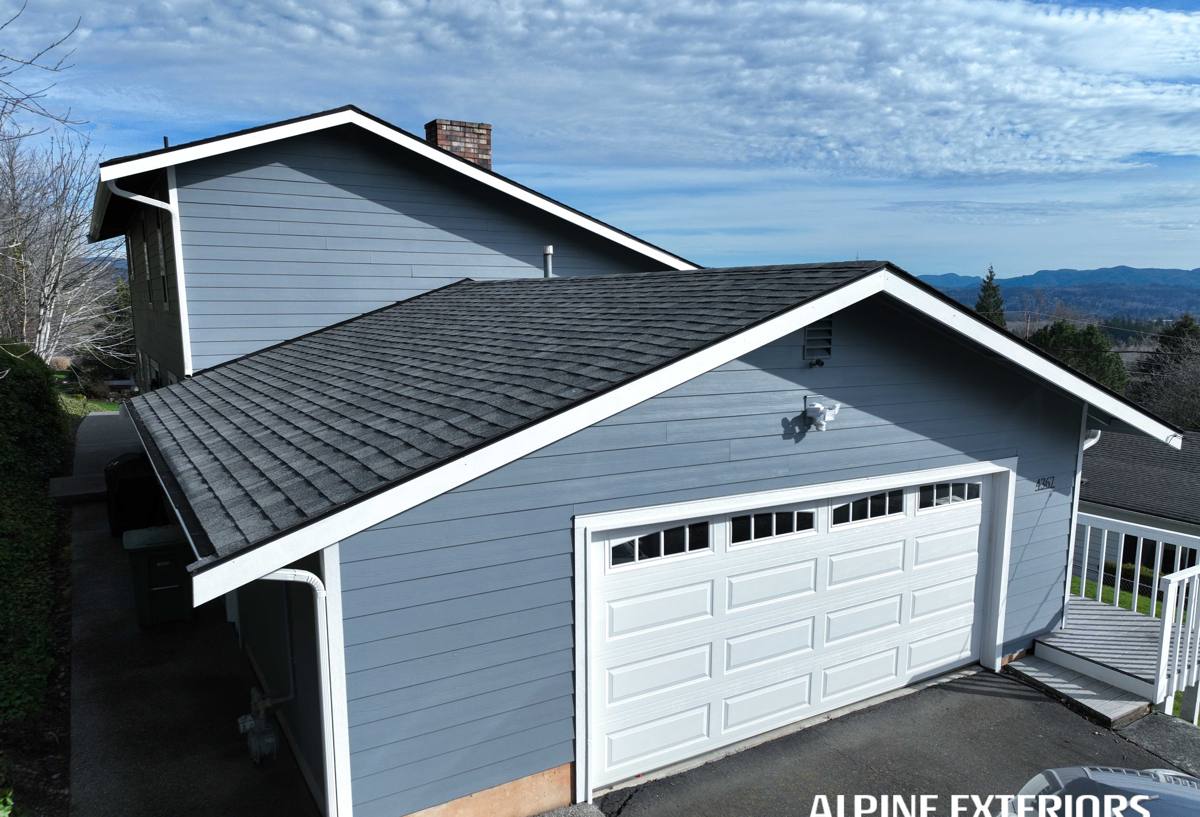
What Sarasota County Storms Do to a Roof
Wind Damage
Sustained tropical-storm and hurricane-force winds lift shingles and tiles, loosen fasteners, and stress the seal along ridges and edges — the parts of a roof most exposed to uplift. Even when nothing blows completely off, wind can break the adhesive seal on shingles or crack the mortar and battens holding tile in place, leaving a roof that looks intact but is no longer sealed against water.
Wind-Driven Rain
Florida storms rarely bring rain straight down. Wind pushes it sideways and upward, forcing water under shingle tabs, through cracked tile, and into flashing joints that would never leak in a normal rain event. This is why leaks often show up in rooms that never had a problem before — the water found a new entry point the storm created.
UV and Heat Cycling
Between storms, Sarasota's sun does its own damage. UV exposure dries out asphalt shingles and breaks down sealant strips, while daily heat cycling (roof surfaces here routinely swing well over 100°F in summer, then cool overnight) stresses every seam and fastener. A roof weakened by UV and heat cycling fails faster in the next storm than a newer, well-maintained one.
Salt Air Corrosion
University Park isn't beachfront, but Gulf breezes carry salt further inland than most homeowners expect. Exposed fasteners, drip edge, and metal flashing corrode faster here than in non-coastal climates, and corroded metal is a common hidden cause of leaks that get blamed on the shingles or tile instead.
Signs of Storm Damage Worth Checking
Some storm damage is obvious. A lot of it isn't, especially on tile roofs where broken or slipped tiles can be hard to spot from the ground. After any significant wind or rain event, it's worth checking for the following:
- Missing, cracked, or curling shingles, or tiles that look shifted, cracked, or slipped out of alignment
- Granules collecting in gutters or at downspout outlets — a sign of asphalt shingle wear from wind abrasion
- Water stains on interior ceilings or walls, especially near exterior corners or where roof planes meet
- Soft or discolored spots on soffits and fascia, which often point to water intrusion at the roof edge
- Lifted or damaged flashing around chimneys, skylights, and roof-to-wall transitions
- Debris, tree limbs, or visible punctures on the roof surface itself
- Sagging sections of roof deck, which can indicate wet or compromised sheathing underneath
If you see any of these after a storm, it's worth getting a professional look before the next rain, not after.
What a Correct Storm Damage Repair Involves
Storm damage repair isn't just about replacing what's visibly missing. A repair that only addresses the surface layer — swapping a few shingles or resetting a few tiles — without checking what's underneath is a repair that's likely to leak again in the next storm. A correct repair includes:
Full Damage Assessment
We inspect the entire roof, not just the area where damage was reported, since wind damage often extends beyond the spot a homeowner noticed from inside. This includes checking the roof deck, underlayment, flashing, and ventilation components, not just the shingles or tile on top.
Underlayment and Deck Inspection
The underlayment is the roof's real waterproofing layer — the shingles or tile are the wear surface, but the underlayment is what actually keeps water out if the top layer is compromised. If wind-driven rain got underneath the surface material, we check whether the underlayment held or needs to be replaced in that section, and whether the wood deck underneath has taken on moisture.
Matching Materials Correctly
Repairs should match the existing roof in material, profile, and where possible, color and age-weathering, so the repaired section performs consistently with the rest of the roof rather than becoming a weak point of mismatched materials.
Flashing and Fastener Review
Since salt air accelerates corrosion on fasteners and metal flashing, storm repairs in this area should include a check of nearby flashing and fastener condition, not just replacement of what broke.
Our Process for University Park Storm Repairs
- Inspection and documentation. We assess the full roof and document the damage clearly, which also supports any insurance claim you may file.
- Honest scope discussion. We explain what's actually damaged, what's still sound, and what your realistic repair options are — repair versus partial replacement versus full replacement — without upselling work the roof doesn't need.
- Temporary protection if needed. If there's active leaking or exposed decking, we can address immediate water intrusion protection so the interior of the home isn't taking on more damage while repair work is scheduled.
- Repair execution. We repair the affected area to match the existing roof system, replacing underlayment and deck sections where needed, not just the top layer.
- Final inspection. We check the completed work against the surrounding roof and confirm flashing, fasteners, and seals are properly set before considering the job done.
Repair or Replace? Cost Factors to Weigh
Not every storm-damaged roof needs full replacement, but sometimes a repair is a short-term fix that costs more over time than doing the job right once. Here's how we help homeowners think through the decision:
| Factor | Favors Repair | Favors Replacement |
|---|---|---|
| Age of roof | Roof is under roughly half its expected lifespan | Roof is already near or past typical service life |
| Extent of damage | Damage is isolated to one section or slope | Damage is spread across multiple areas or slopes |
| Underlayment condition | Underlayment elsewhere is intact and not brittle | Underlayment is failing broadly, not just where damage occurred |
| Deck condition | Deck is dry and sound where inspected | Deck shows rot or moisture damage in multiple spots |
| Prior storm history | First significant damage event on this roof | Repeated storm repairs over recent years |
We'll walk through these factors on your specific roof rather than defaulting to the most expensive option — a well-executed repair is the right call more often than homeowners expect.
Working With Your Insurance Claim
Most storm damage repairs in Sarasota County involve an insurance claim, and how the damage is documented matters. We provide clear photo documentation and a written scope of the damage we find, which your adjuster can review alongside their own inspection. We're not a public adjuster and don't negotiate your policy for you, but we can explain what we're seeing on the roof in plain terms so you're not caught between conflicting opinions about what actually needs to be fixed.
Why a Crew That Knows University Park Matters
University Park has a mix of home styles and roofing systems — tile, asphalt shingle, and metal all show up on homes in this area, each with different repair requirements after a storm. A crew that regularly works in this part of Sarasota County knows the local permitting process, understands how Sarasota's wind-borne debris and code requirements apply to repair work, and isn't guessing at what "normal" looks like for homes built to Florida's building code standards. That familiarity means faster, more accurate assessments and repairs that hold up the next time a storm comes through — not just cosmetic fixes that fail again in a year.
Reducing Storm Damage Risk Between Storms
You can't storm-proof a roof completely, but regular attention lowers the odds of major damage and catches small problems before a storm turns them into big ones. A basic maintenance routine for University Park homeowners:
- Have the roof inspected after any named storm, even if you don't see obvious damage from the ground
- Clear debris and check for granule loss in gutters at least twice a year
- Trim back tree limbs that overhang the roofline before storm season
- Address minor leaks or soft spots immediately rather than waiting for the next storm to make them worse
- Keep an eye on flashing around chimneys, vents, and skylights, since these are common early failure points
- Know your roof's approximate age and material lifespan so you're not caught off guard by a major failure
Get an Honest Look at Your Roof
If your University Park home has taken storm damage — or you just want a professional opinion after a rough season of Sarasota County weather — we're glad to come out and take an honest look. There's no pressure and no obligation, just a clear assessment of what your roof needs and what it doesn't. Fill out the form below to request your free estimate.