 Sarasota Roofing
 Roof Repair Built for Downtown Sarasota's Older Homes and Mixed Housing Stock
Downtown Sarasota is a mix of mid-century bungalows, renovated historic homes, newer infill construction, and low-rise condo buildings, all packed close together near the bay. That mix means roof age, material, and condition vary block to block, sometimes house to house. A repair crew working here needs to know how to read an older shingle or tile roof that's been patched over the years, as well as a newer roof that's still under warranty, and give a straight answer on which one actually needs work.
Because homes downtown sit close to Sarasota Bay and the Gulf, they take on more than typical wear. Salt-laden air corrodes exposed fasteners and flashing faster than it would inland. Intense, nearly year-round UV breaks down shingle granules and dries out sealants. And when a storm rolls through, downtown's tree canopy and tightly spaced rooflines mean debris impact and wind-driven rain find their way into roofs that looked fine the week before. Repairing a roof here isn't just patching a hole — it's addressing what actually caused the failure so it doesn't come back with the next storm.
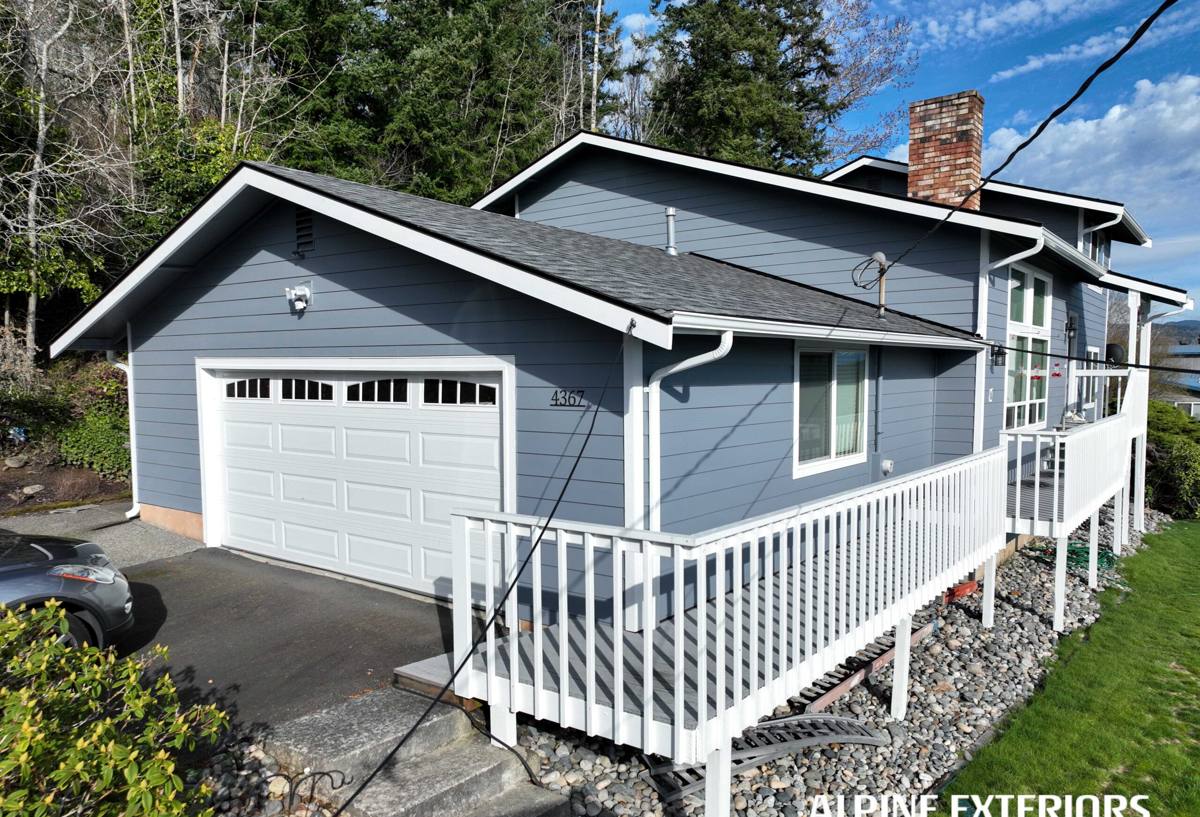
What Sarasota's Climate Does to a Downtown Roof
Hurricane and Tropical Storm Wind
Sarasota County sits in a hurricane-prone stretch of the Gulf Coast, and downtown's older roofs weren't always built to today's wind-uplift standards. High winds lift shingle edges, loosen tile, and peel back flashing at ridges and hips. Once a wind-lifted edge lets water underneath, the leak often shows up somewhere else in the house entirely — a stained ceiling in a back bedroom from damage that started at the front roofline.
Wind-Driven Rain
Rain that comes in sideways during a squall doesn't behave like ordinary rainfall. It gets pushed up and under shingle tabs, into vents, and around chimney and skylight flashing that would otherwise shed water fine. Downtown's afternoon thunderstorms in summer are frequent enough that any weak point in the roofing system gets tested regularly, not just during named storms.
Year-Round UV Exposure
Florida sun is hard on roofing materials in every season, not just summer. UV breaks down asphalt shingle oils, cracks sealants, and fades and embrittles underlayment that's been exposed after a shingle loses its granules. A roof that's 12-15 years old downtown often shows more UV wear than the same roof would show after 20 years in a milder climate.
Salt Air and Corrosion
Being close to the bay means salt in the air settles on metal roof components — nails, flashing, drip edge, vent stacks — and speeds up corrosion. We see this most often at flashing seams and exposed fastener heads, which is why material choice and fastener quality matter more here than they would 20 miles inland.
Common Roof Repair Calls We See Downtown
- Missing or lifted shingles after a wind event, with or without a visible leak yet
- Cracked or slipped tiles on older tile roofs, often from foot traffic or falling debris
- Flashing failures around chimneys, skylights, and roof-to-wall transitions on additions
- Soft spots or staining on flat or low-slope sections common on renovated bungalows and additions
- Nail pops and sealant failure at vent boots and pipe penetrations
- Granule loss and UV-cracked shingles on roofs approaching 15-20 years old
- Gutter and roof-edge issues that let water track back under the roofline instead of draining away
How We Diagnose a Repair, Not Just Patch the Symptom
A leak stain on a ceiling rarely marks the exact spot where water is entering. Water travels along rafters, decking, and underlayment before it shows up inside, so a repair that only addresses the visible stain often leaves the real entry point open. Our process starts with tracing the leak path, not just covering the spot that's obvious from the ground or the attic.
What a Proper Inspection Covers
- Roof surface condition — shingle or tile wear, granule loss, cracking, lifted edges
- All flashing points — chimneys, skylights, walls, valleys, and roof-to-roof transitions
- Vent boots and pipe penetrations, where sealant failure is common but easy to miss
- Attic side, when accessible — decking staining, insulation damage, and daylight gaps
- Fastener condition, especially on older roofs near the bay where corrosion is faster
- Gutters and drainage paths, since poor drainage causes or worsens many "roof" leaks
Once we know the actual cause, we give a clear, written explanation of what's needed and why — not a vague line item. If a roof has enough age-related or storm damage that patching one area is just delaying an inevitable larger repair or replacement, we'll say so plainly rather than sell a short-term fix.
Repair Approach by Roof Type
| Roof Type | Typical Downtown Repair Issue | What a Correct Repair Involves |
|---|---|---|
| Asphalt shingle | Wind-lifted or missing shingles, granule loss, sealant failure | Matching shingle profile and color as closely as possible, replacing damaged underlayment beneath the affected area, resealing tabs properly for wind resistance |
| Concrete or clay tile | Cracked, slipped, or broken tiles; underlayment failure beneath intact-looking tile | Careful tile removal and reset without damaging surrounding tile, underlayment repair or replacement, correct fastening for wind uplift |
| Flat or low-slope (additions, some bungalows) | Ponding water, membrane seams opening, UV-cracked coating | Membrane seam resealing or patching, verifying slope and drainage, recoating exposed areas rated for UV and foot traffic |
| Metal panel | Fastener backout, seam separation, corrosion at cut edges or penetrations | Fastener replacement with correct gasketed screws, resealing seams and penetrations, addressing any corrosion before it spreads |
Repair or Replace? Honest Factors We Weigh
Not every roof problem downtown means a full replacement, and not every leak is a quick fix either. We walk homeowners through the real trade-offs rather than defaulting to the bigger job.
Factors That Usually Point to Repair
- Damage is localized to one section, and the surrounding roof is in solid overall condition
- The roof is under 15 years old with no widespread granule loss or brittleness
- The underlying decking is dry and sound once opened up
Factors That Usually Point to Replacement
- Multiple past repairs across different areas of the roof, suggesting systemic age-related failure
- Roof is near or past its expected service life for its material and our climate
- Decking shows rot or repeated moisture damage in more than one area
- Insurance or storm damage is extensive enough that patch repairs won't hold up to the next season
Our Repair Process, Start to Finish
- Initial inspection and leak path tracing, with photos and a clear explanation of findings
- Written estimate that separates the repair scope from any related issues we noticed but that aren't required right now
- Scheduling that accounts for Sarasota's summer storm pattern, so work isn't left exposed overnight when rain is likely
- Repair work matched to the existing roofing material as closely as possible
- Final check confirming flashing, fasteners, and sealant are all properly set, not just the primary damage area
- Cleanup of the work area, including removal of old materials and any debris from the repair
Why Local Experience Downtown Matters
Downtown Sarasota has its own mix of permitting requirements, HOA or historic-district considerations on some streets, and tight lot lines that affect how a crew stages equipment and material. A contractor who regularly works this specific area already knows how to navigate condo association rules, narrow driveways, and neighbor-proximity concerns that a crew unfamiliar with downtown might not anticipate.
Local experience also means knowing which materials actually hold up here versus which ones look fine on paper but struggle against salt air and UV over time. We make material and technique choices based on what performs in Sarasota County's specific coastal conditions, not just general Florida guidance, and we're upfront about the maintenance and trade-offs that come with each option.
Maintenance That Reduces Future Repair Calls
Between hurricane seasons, a little attention goes a long way toward avoiding emergency repair calls. A twice-yearly visual check — after hurricane season and again in spring — catches small issues like lifted shingle edges or cracked sealant before they become interior leaks. Keeping gutters clear of debris matters more downtown than in less tree-covered neighborhoods, since clogged gutters push water back under roof edges. Trimming back branches that overhang the roofline also reduces both debris buildup and the chance of impact damage during high winds.
If you're dealing with a leak, storm damage, or just want an honest read on a roof's condition before the next storm season, we're glad to take a look. Fill out the form below for a free, no-pressure estimate on roof repair for your Downtown Sarasota home.