 Sarasota Roofing
 Why University Park Homes Need a Different Approach to Roofing
University Park homes tend to share a few things in common: well-maintained architectural standards, a mix of tile-look and shingle roofs from the original builder, and a location that puts every roof squarely in the path of everything Southwest Florida's weather can produce. A roof that works fine in a milder climate often struggles here. Metal roofing has become a popular answer for homeowners in this area who are tired of replacing shingles every decade or patching storm damage every season, and who want something that matches the upscale look of the neighborhood without looking out of place next to tile roofs on the same street.
This page is specifically about metal roofing for homes in and around University Park — not a general overview. The climate factors, installation details, and cost considerations below reflect what we actually see on roofs in this part of the Sarasota area.
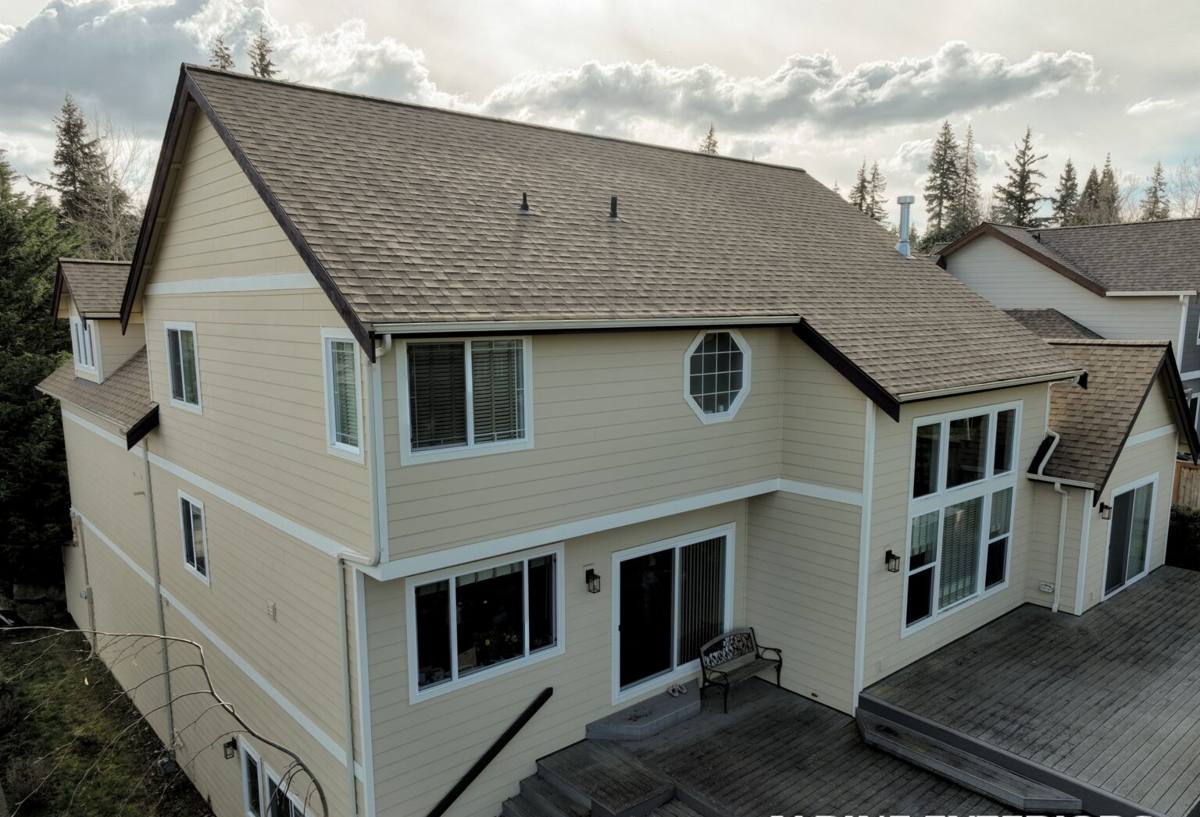
What the Local Climate Actually Does to a Roof
Sarasota County sits in a stretch of Florida coastline where a roof earns its keep. It's not one factor that wears a roof down — it's the combination, working on the same shingles or panels year-round.
Hurricane-Force Wind
Wind is the single biggest threat to any roof in this region. Uplift at the edges and corners of a roof is where most storm damage starts, and a roofing system that isn't fastened, flashed, and sealed correctly at those points will fail first — regardless of how good the material itself is. Metal roofing, installed correctly, resists wind uplift better than most other roofing types, but "installed correctly" is doing a lot of work in that sentence.
Intense, Year-Round UV
Florida sun doesn't take a season off. UV exposure breaks down roofing materials from the surface in, causing granule loss on shingles, brittleness in underlayment, and fading or chalking on lower-quality coatings. A metal roof with a proper factory finish holds its color and integrity far longer under this kind of sun exposure than uncoated or poorly coated products.
Wind-Driven Rain
It's rarely rain falling straight down that causes leaks here — it's rain being driven sideways and upward under wind pressure, finding any gap in flashing, fastener seals, or panel laps. This is a detail-level problem, not a materials problem, which is why installation quality matters as much as the panel you choose.
Salt Air
Even homes that aren't waterfront pick up salt content in the air, especially with onshore breezes common to this part of the Gulf Coast. Salt accelerates corrosion on fasteners, flashing, and any metal component that isn't rated for coastal exposure. This is one of the most common mistakes we see on roofs installed by crews unfamiliar with the area — using standard fasteners or trim instead of coastal-rated hardware.
Choosing the Right Metal Roofing System
Not all metal roofing is the same, and the right choice depends on your home's roof pitch, HOA guidelines, and budget. Here's how the common options compare for a home in this area.
| System | Wind Performance | Appearance | Best Fit |
|---|---|---|---|
| Standing seam (concealed fastener) | Excellent — fasteners are hidden and protected from direct weather | Clean, modern vertical lines | Homes wanting the strongest long-term wind and water performance |
| Exposed-fastener panel | Good, but fastener seals need periodic attention | Traditional ribbed metal look | Budget-conscious projects, secondary structures, garages |
| Metal shingle / tile-profile panel | Very good when interlocked correctly | Mimics tile or shakes, blends with neighboring roofs | Homeowners who want metal's durability with a traditional look |
In a community where roofing styles tend to be fairly consistent, the tile-profile metal option is worth a serious look — it gives you the wind and longevity benefits of metal without standing out from surrounding rooflines.
What a Correct Metal Roof Installation Involves
Deck Prep and Underlayment
Metal roofing is only as good as what's underneath it. We inspect the roof deck for rot, delamination, or soft spots before anything goes down, and we use a high-temperature synthetic or self-adhered underlayment rated for the sustained heat that builds up under metal panels in direct Florida sun.
Fastening and Wind Uplift
Fastener spacing and type are not one-size-fits-all — they're determined by your roof's exposure category, pitch, and the wind speed requirements in the current Florida Building Code for this region. Corners and edges get tighter fastening patterns because that's where uplift forces concentrate first.
Flashing and Penetrations
Every valley, wall transition, chimney, and vent penetration is a potential entry point for wind-driven rain. Flashing details at these points get as much attention as the panels themselves — this is usually where a rushed installation fails first.
Ventilation
Proper ridge and soffit ventilation keeps attic temperatures down and prevents moisture buildup underneath the roof deck, which matters in Florida's humidity as much as its heat.
Our Process, Start to Finish
- Inspection and assessment — we look at your existing roof, deck condition, pitch, and any HOA or architectural requirements specific to your property.
- System recommendation — we walk you through panel options, finishes, and colors that fit your home and any neighborhood guidelines.
- Permitting — we pull the required permits and confirm the installation meets current Florida Building Code wind requirements for this area.
- Tear-off or overlay decision — depending on the condition of your existing roof, we determine whether a full tear-off or an approved overlay is appropriate.
- Installation — deck repair, underlayment, panels, flashing, and ventilation, in that order, with attention to the edge and corner detailing that determines wind performance.
- Final walkthrough — we review the completed roof with you before considering the job done.
Cost Factors for Metal Roofing in University Park
Metal roofing costs more upfront than asphalt shingles, but the honest comparison has to account for lifespan and storm resilience, not just the initial number. Rather than quote a price without seeing your roof, here are the factors that actually move the cost up or down.
| Factor | Effect on Cost |
|---|---|
| Roof pitch and complexity (valleys, dormers, multiple planes) | More cuts, flashing, and labor time increase cost |
| Panel type (exposed-fastener vs. standing seam vs. metal shingle) | Standing seam and tile-profile panels cost more than basic exposed-fastener panels |
| Tear-off vs. overlay | Full tear-off costs more but is often the better long-term choice on an aging deck |
| Decking condition | Rot or soft decking found during tear-off adds repair cost |
| Coating and finish quality | Higher-grade factory finishes cost more but resist UV fading longer |
Maintenance: What Metal Roofing Actually Needs
One of the appeals of metal roofing is how little it asks of you afterward, but "low maintenance" doesn't mean "no maintenance." A short annual routine catches small issues before they become leaks.
- Visual check after any major storm for lifted panels, dented flashing, or debris buildup in valleys
- Clear leaves and debris from valleys and gutters so water doesn't pool against panel seams
- Check exposed fasteners (if applicable) for backed-out screws or worn rubber washers
- Look for surface rust or corrosion near fastener heads, especially on the side of the home facing prevailing wind
- Confirm sealant at flashing points and penetrations hasn't cracked or shrunk
- Schedule a professional inspection every few years, even with no visible issues
Why Hiring a Crew That Already Works in University Park Matters
A metal roof installed by a crew unfamiliar with this specific area tends to run into the same avoidable problems: fasteners and trim not rated for salt exposure, ventilation details that don't account for Florida humidity, or a finished roof that technically meets code but doesn't quite match the tone and profile of surrounding homes in a community where that consistency matters. Crews who already work in University Park and similar Sarasota-area neighborhoods know the wind exposure realities of this stretch of coastline, the permitting process locally, and — if your property is part of an HOA or architectural review community, as many in this area are — how to work within those guidelines instead of finding out about them after the fact.
That familiarity isn't a marketing point, it's a practical one. It shows up in fewer surprises during the tear-off, fewer callbacks after the first big storm, and a finished roof that looks like it belongs on the house.
If you're weighing a metal roof for your University Park home, we're happy to take a look and talk through what makes sense for your specific roof — no pressure, no obligation. Fill out the form below to request a free estimate.