 Sarasota Roofing
 Fiber Cement Siding Built for University Park's Climate
Siding on a University Park home works harder than most homeowners realize. Between hurricane-force wind events, intense year-round UV exposure, wind-driven rain, and salt air drifting in off the Gulf, exterior cladding in this part of Sarasota County is under near-constant stress. Some of that stress is dramatic — a named storm pushing rain sideways into a wall assembly. Most of it is slow and quiet — sun bleaching color out of a finish, humidity working into a seam, moisture cycling in and out of a material that wasn't built to handle it. Either way, the siding on the house is the first and last line of defense for everything behind it.
This page covers what fiber cement siding specifically needs to do for a home in University Park, what a correct installation actually involves, and how we run that job from first walk-through to final cleanup. It's written for homeowners comparing options or getting ready to replace siding that's reached the end of its useful life, not as a generic overview of siding in general.
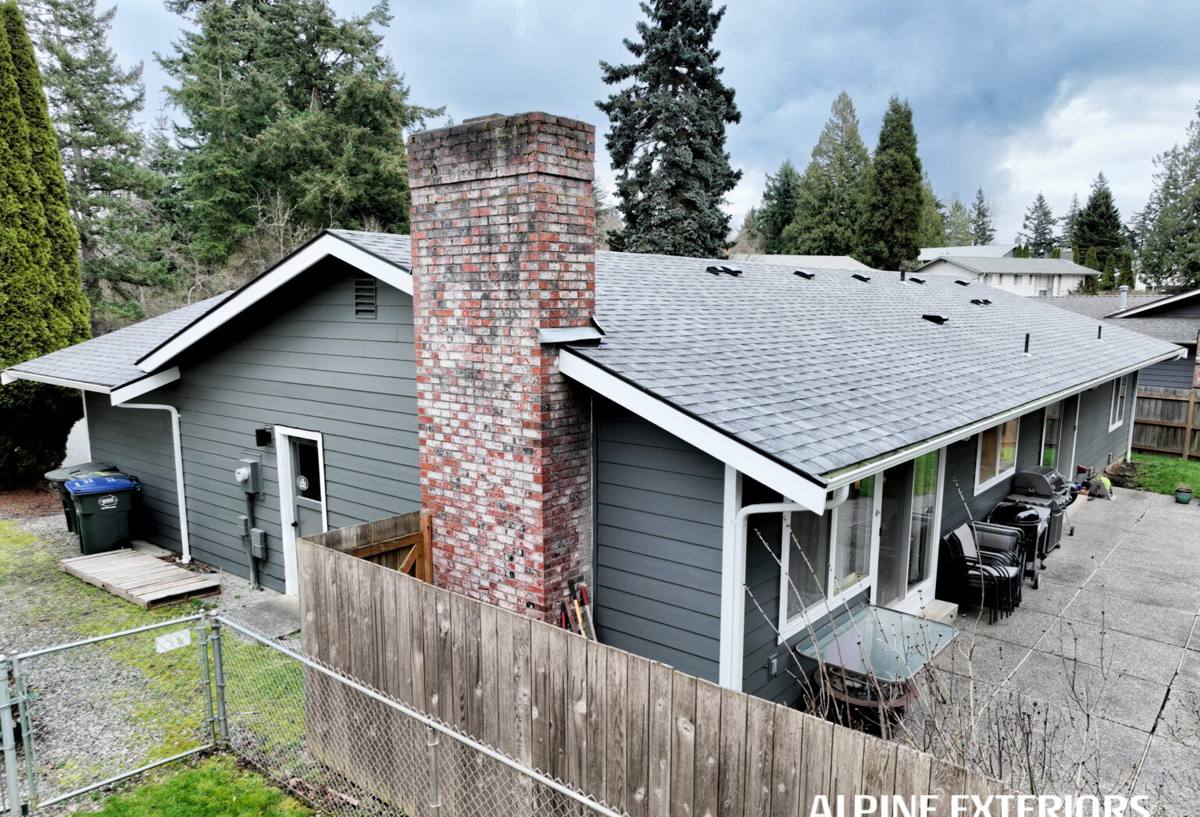
What University Park Homes Actually Need From Their Siding
University Park sits in a part of Sarasota County that sees the full range of what Gulf Coast weather can throw at a house. Siding here isn't just a cosmetic layer — it's a structural and moisture-management system that has to perform under conditions a lot of siding products were never engineered for.
Wind Resistance and Storm Performance
Wind load matters at every stage of a siding install, not just as a spec sheet number. Panel or plank attachment, fastener spacing, and how corners and edges are finished all determine whether siding stays put when a storm pushes on it, or whether it starts lifting and letting wind-driven rain in behind it.
UV and Fade Resistance
Sarasota County gets sun exposure most of the year, and siding facing south or west takes the brunt of it. A finish that isn't engineered for UV intensity will chalk, fade unevenly, or need repainting well before the underlying material is worn out — which turns a durable siding choice into a recurring maintenance project.
Moisture and Rot Resistance
Humidity and wind-driven rain are a package deal on the Gulf Coast. Siding that absorbs moisture, or that traps moisture behind it due to poor installation, sets up conditions for rot, mold, and structural damage that often isn't visible until it's advanced.
Salt Air Corrosion
Even at a distance from the immediate coastline, salt-laden air accelerates corrosion on fasteners, trim, and any metal components in a siding system. Materials and hardware that aren't rated for that environment corrode faster than homeowners expect.
Why We Install Only James Hardie Fiber Cement
We install James Hardie fiber cement siding exclusively — we don't offer LP SmartSide, vinyl, Cemplank, Allura, or primed wood siding as alternatives. That's a deliberate standard, not a limitation in what we're capable of installing. Fiber cement as a category is inherently a strong match for Florida's climate: it's non-combustible, it doesn't feed termites, and it holds up to moisture cycling far better than wood-based products. Within that category, James Hardie is the manufacturer whose engineering and finish system we trust to hold up on Sarasota County homes over the long term.
Hardie's HZ5 formulation is specifically engineered for humid, high-moisture climates like ours, rather than being a general-purpose product applied everywhere. The ColorPlus factory finish is baked on under controlled conditions before the product ever reaches the jobsite, which gives it more consistent UV and fade resistance than field-applied paint achieves, along with a longer finish warranty. Combined with Hardie's transferable limited warranty on the siding itself, homeowners get a documented, backed system rather than a patchwork of separately-warrantied materials.
| Factor | James Hardie Fiber Cement | Vinyl / Wood-Based Alternatives |
|---|---|---|
| Storm and wind performance | Engineered and rated for high-wind installation | Varies widely; can crack, warp, or blow off under load |
| UV / fade resistance | Factory-baked ColorPlus finish holds color longer | Field-applied or lower-grade finishes fade and chalk sooner |
| Moisture behavior | Non-combustible, resists rot and moisture damage | Wood-based products absorb moisture and can rot; vinyl can trap it behind panels |
| Fire rating | Non-combustible, Class A rated | Combustible in most wood and vinyl formulations |
| Warranty structure | Long-term transferable warranty on product and finish | Varies by manufacturer, often shorter or prorated |
What a Correct Fiber Cement Siding Install Involves
Fiber cement performs the way it's designed to only when it's installed correctly. The material itself is durable, but a rushed or improperly detailed install can undermine all of that durability in a few key spots.
Removal and Wall Inspection
Old siding comes off down to the sheathing so the wall can actually be inspected, not just re-covered. This is when hidden moisture damage, soft sheathing, or prior water intrusion gets found and addressed, rather than sealed up behind new siding to keep causing problems out of sight.
Weather-Resistive Barrier
A properly installed and lapped weather-resistive barrier behind the siding is the secondary line of defense against wind-driven rain, working alongside the siding itself rather than being an afterthought. Correct lapping direction and seam treatment matter here as much as the material choice.
Flashing and Trim Details
Windows, doors, and any wall penetrations need flashing that's integrated with the weather-resistive barrier, not caulked on top of the siding after the fact. Most siding-related leaks trace back to a flashing detail, not a failure of the siding panels themselves.
Fastening to Manufacturer Spec
James Hardie publishes specific fastener type, spacing, and placement requirements for high-wind regions, and following them precisely is what keeps siding attached and sealed through actual storm conditions rather than just under calm-weather testing.
Caulking and Finish Work
Joints, corners, and trim transitions get sealed with products compatible with the ColorPlus finish, and any field-cut edges get properly sealed and touched up so the finish performs consistently across the whole wall, not just on factory-finished surfaces.
How Our Process Works
We start with an on-site walk-through of the home, looking at existing siding condition, wall assembly, and any problem areas before recommending a scope of work. From there, we put together a written estimate that itemizes removal, any sheathing repair, the weather-resistive barrier, the Hardie product line and profile, and finish color, so there's nothing vague about what's included.
Once a job is scheduled, we handle removal and wall inspection first and flag anything we find before covering it back up. Installation follows manufacturer fastening and flashing specifications throughout, and we walk the finished job with the homeowner before considering it complete. If something needs adjustment, we address it before we call the job done, not after.
Signs Your University Park Home May Need New Siding
Siding failure is usually gradual, and catching it early keeps a repair from turning into a bigger structural issue.
- Visible cracking, warping, or buckling in siding panels or planks
- Paint or finish that's chalking, peeling, or fading unevenly, especially on south- and west-facing walls
- Soft spots, discoloration, or a hollow sound when pressing on the siding, which can point to moisture damage underneath
- Gaps opening up at seams, corners, or trim joints
- Rising utility bills or noticeable temperature swings inside the home, which can indicate a compromised exterior envelope
- Visible rot, mold, or mildew at the base of walls or around window and door trim
If any of this sounds familiar, it's worth having the siding looked at before the next storm season rather than waiting for a small problem to become a larger one.
Cost Factors for Fiber Cement Siding in University Park
Every home is different, so we don't publish flat per-square-foot pricing, but the factors that actually move a project's cost are consistent from house to house.
| Factor | Why It Affects Cost |
|---|---|
| Home size and wall complexity | More square footage and more corners, gables, or architectural detail mean more material and labor time |
| Condition of existing sheathing | Hidden moisture or rot damage found during removal adds repair scope before new siding can go on |
| Siding profile and product line | Lap siding, shingle-style, and panel systems carry different material costs and installation labor |
| Trim and accessory work | Window and door trim, corner boards, and soffit or fascia work are often bundled with a siding project |
| Access and site conditions | Multi-story sections, tight lot lines, or landscaping that limits access can add labor time |
Why Hiring a Crew That Already Works University Park Matters
A crew that regularly works in University Park and the surrounding Sarasota area isn't guessing at what the local climate demands — they've already seen how UV exposure, humidity, and storm conditions affect siding on homes like this one over time. That experience shows up in the details: fastening patterns that account for real wind exposure, flashing choices suited to how rain actually behaves here, and a working knowledge of the permitting and inspection process for Sarasota County. It also means a crew that's accountable locally, not one that's moved on to another region by the time a warranty question comes up.
Choosing a contractor who already understands this specific climate and community, rather than one applying a generic approach to every job, is one of the more overlooked factors in how long a siding job actually lasts.
If you're considering new siding for your University Park home, we're glad to take a look and walk you through what a correct James Hardie installation would involve for your specific house. Use the form below to request a free, no-pressure estimate.