 Sarasota Roofing
 Decks in University Park Face a Tougher Climate Than Most Materials Are Built For
University Park is one of the more established, well-landscaped communities in the greater Sarasota area, and that maturity cuts both ways for outdoor structures. Mature tree canopy means more shade and debris on deck surfaces. Irrigation systems and lush lawns mean more ambient humidity around ground-level framing. And like every property in this part of Florida, University Park homes sit under the same year-round load of intense UV, wind-driven rain, salt-laden air moving in off the Gulf, and the occasional hurricane-force wind event that puts real lateral stress on ledger boards, posts, and railings.
A deck that was built correctly ten or fifteen years ago can still be failing quietly today, simply from the cumulative effect of that environment. Deck repair here isn't just about replacing a few soft boards — it's about understanding how Sarasota's climate specifically attacks wood, fasteners, and connections, and fixing the actual cause rather than the symptom.
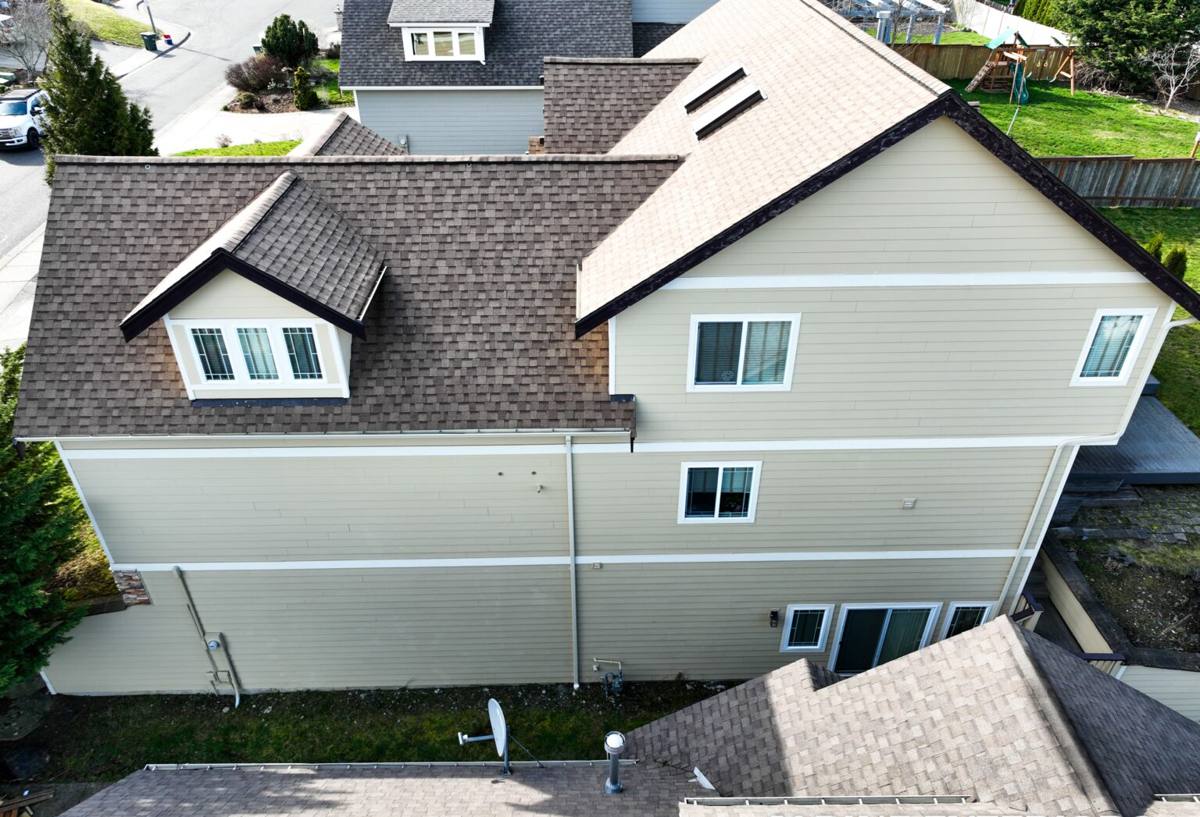
How Sun, Salt, and Storms Break Down a Deck Here
UV and Heat
Florida sun is brutal on any exposed surface. Wood dries out, checks, and splits. Composite decking can fade unevenly depending on sun exposure across the deck. Sealants and finishes that would last several seasons up north can degrade in half that time here, leaving wood unprotected against the next issue: moisture.
Wind-Driven Rain and Humidity
Rain in this region rarely falls straight down. Wind pushes it sideways and up under railings, into fastener holes, and behind ledger boards where it can sit against the house framing. Combined with our humidity, that trapped moisture is what actually causes rot — not rainfall itself, but rainfall that has nowhere to drain or dry out.
Salt Air
Even set back from the immediate coast, homes throughout the Sarasota area get measurable salt exposure carried on Gulf breezes. Salt accelerates corrosion in fasteners, brackets, and any exposed metal hardware. A deck can look structurally fine on the surface while the screws and joist hangers holding it together are quietly corroding underneath.
Hurricane-Force Wind Events
Decks are load-bearing structures, and lateral wind loads test every connection point — ledger-to-house attachment, post bases, and railing posts especially. A deck that has been through one or more named storms may have loosened connections that aren't visible until you know where to look.
Signs a Deck Needs Repair, Not Just Cosmetic Attention
Homeowners often call about a soft board or a wobbly railing, and that's a reasonable place to start — but those symptoms usually point to something underneath that needs attention too. Watch for:
- Boards that feel spongy, spring back slowly, or show dark staining underneath
- Railings or posts that move when pushed, even slightly
- Visible gaps or separation where the deck meets the house (ledger board)
- Rust streaks running down from screw heads or brackets
- Stairs that feel bouncy or uneven underfoot
- Fasteners backing out or spinning freely in their holes
- A musty smell near ground-level framing or under the deck
- Visible sagging between joists when standing on the surface
Any one of these on its own might be minor. Several together usually mean it's time for a full structural look, not just a board swap.
What a Correct Deck Repair Actually Involves
Surface-level repairs — replacing a board, tightening a railing — are sometimes genuinely all that's needed. But a repair that only addresses what's visible, without checking what's underneath, tends to fail again within a season or two in this climate. A proper repair process looks at the whole system:
Structural Framing
Joists, beams, and posts get checked for rot, insect damage, and connection integrity. Any framing member that's compromised gets replaced or sistered, not just capped over.
Ledger Board and Flashing
The ledger board — where the deck attaches to the house — is the single most important connection on the entire structure, and it's also the one most prone to hidden water damage. Flashing that's failed or missing here is a common root cause of "mystery" soft spots near the house.
Fasteners and Hardware
Corroded screws, nails, or joist hangers get replaced with hardware rated for coastal exposure, not standard-grade fasteners that will just corrode again on the same timeline.
Decking Surface
Individual boards are assessed on their own merits. Some can be cleaned and resealed, some need spot replacement, and some sections may need full resurfacing if the wear is widespread.
Drainage and Airflow
Standing water and trapped moisture under the deck are addressed where possible — grading, gaps, or vents that let air move through rather than sit stagnant.
Decking Materials: What Holds Up Best in Sarasota's Climate
Part of a good repair is deciding, board by board or section by section, whether to replace like-for-like or upgrade the material. Here's how the common options actually perform under our specific conditions:
| Material | Moisture & Rot Resistance | UV/Fade Resistance | Maintenance Needs | Typical Local Lifespan |
|---|---|---|---|---|
| Pressure-treated wood | Good if sealed regularly; vulnerable if finish lapses | Fair — grays and checks without upkeep | High — annual cleaning and resealing | 10–15 years with consistent care |
| Composite decking | Very good — won't rot | Good, though color can fade unevenly with heavy sun exposure | Low — periodic cleaning only | 20–25+ years |
| PVC/capped polymer | Excellent — fully moisture sealed | Very good | Low | 25+ years |
| Aluminum framing/substructure | Excellent, but needs coastal-grade fasteners to match | Excellent | Low | Decades, if hardware matches |
We don't push a single "best" material on every job. Wood has a lower upfront cost and a natural look many homeowners prefer, but it demands real upkeep in this climate. Composite and PVC cost more initially but trade ongoing maintenance for durability. The right call depends on your budget, how the deck is used, and how much upkeep you actually want to keep up with year after year — we'll walk through the honest trade-offs for your specific deck rather than defaulting to whatever's easiest to sell.
Our Deck Repair Process for University Park Homes
1. Full Structural Assessment
We inspect the ledger connection, framing, posts, fasteners, and surface — not just the area you called about. Hidden problems get flagged with photos and a plain explanation, not a sales pitch.
2. Honest Scope, Written Plainly
You get a clear breakdown of what needs structural repair now, what's cosmetic, and what can reasonably wait. No inflated scope, no vague line items.
3. Repair or Rebuild Recommendation
If the framing is sound and only the surface needs attention, we say so. If the underlying structure is compromised, we'll explain why a partial rebuild is the more honest long-term answer than patching over it.
4. Coastal-Grade Materials and Hardware
Fasteners, brackets, and flashing are selected for salt-air and humidity exposure, not just whatever's cheapest at standard grade.
5. Final Walkthrough
Before we consider the job done, we walk the deck with you — checking stability, finish quality, and answering any questions about upkeep going forward.
Cost Factors in University Park Deck Repair
Every deck repair is different, but the price is generally driven by a handful of factors:
| Factor | Why It Matters |
|---|---|
| Extent of structural damage | Surface repairs cost far less than framing or ledger board replacement |
| Decking material | Wood repair labor differs from composite or PVC; material cost varies widely |
| Deck size and height | Larger and elevated decks require more material, time, and safety measures |
| Access to the site | Landscaping, pools, or tight side-yard access can add labor time |
| Hardware upgrades | Coastal-grade fasteners and flashing cost more upfront but last longer |
| Permitting requirements | Structural repairs may require permitting, which adds time but protects you |
Simple board and railing repairs are typically a modest, contained expense. Ledger board or framing replacement, or a partial rebuild, runs higher because it involves structural work and often permitting. We'll give you real numbers for your deck after an on-site look — not a phone estimate based on guesswork.
Keeping a Repaired Deck in Good Shape
Once a deck is repaired correctly, a little seasonal attention goes a long way in this climate:
- Rinse off pollen, salt residue, and debris every few weeks, more often under heavy tree cover
- Check fasteners and railings for looseness after any major storm
- Reseal wood decking on a regular schedule rather than waiting for visible graying
- Keep gutters and downspouts clear so runoff isn't dumping extra water onto the deck
- Trim back vegetation that keeps sections of the deck shaded and damp
- Watch for standing water after rain — it shouldn't pool anywhere on the surface
Why It Matters Hiring a Crew That Already Works in University Park
Deck repair done right requires knowing how Sarasota's specific combination of UV exposure, humidity, wind-driven rain, and salt air actually behaves on a structure over years, not just what a manufacturer's spec sheet claims in a lab. A crew that regularly works in University Park and the surrounding Sarasota area has already seen how local ledger boards fail, which fastener grades actually hold up, and how quickly untreated wood degrades here versus in a milder climate. That familiarity means fewer surprises, a more accurate first assessment, and repairs built for the conditions your deck will actually face — not generic conditions from somewhere else.
If your deck has a soft board, a loose railing, or you just want an honest read on its structural condition, we're happy to take a look. Use the form below to request a free, no-pressure estimate — we'll walk the deck, tell you plainly what we find, and lay out your options without any obligation.