 Sarasota Roofing
 Roofing Built for University Park's Weather, Not Just the Nearest Home Depot Shingle Rack
University Park sits in a part of Sarasota County where the roof over your head works harder than it does almost anywhere else in the country. It isn't one bad thing that wears a roof out here — it's four things happening at once, year after year: hurricane-force wind events, brutal year-round UV, wind-driven rain that finds every weak seam, and salt-laden air that corrodes metal faster than manufacturers' spec sheets assume. An asphalt shingle roof that would last 25 years in a mild climate can fail early here if it wasn't installed with this specific environment in mind. This page is about what that means in practice — for the materials we recommend, how we install them, and why a crew that already works in University Park is worth choosing over one that doesn't.
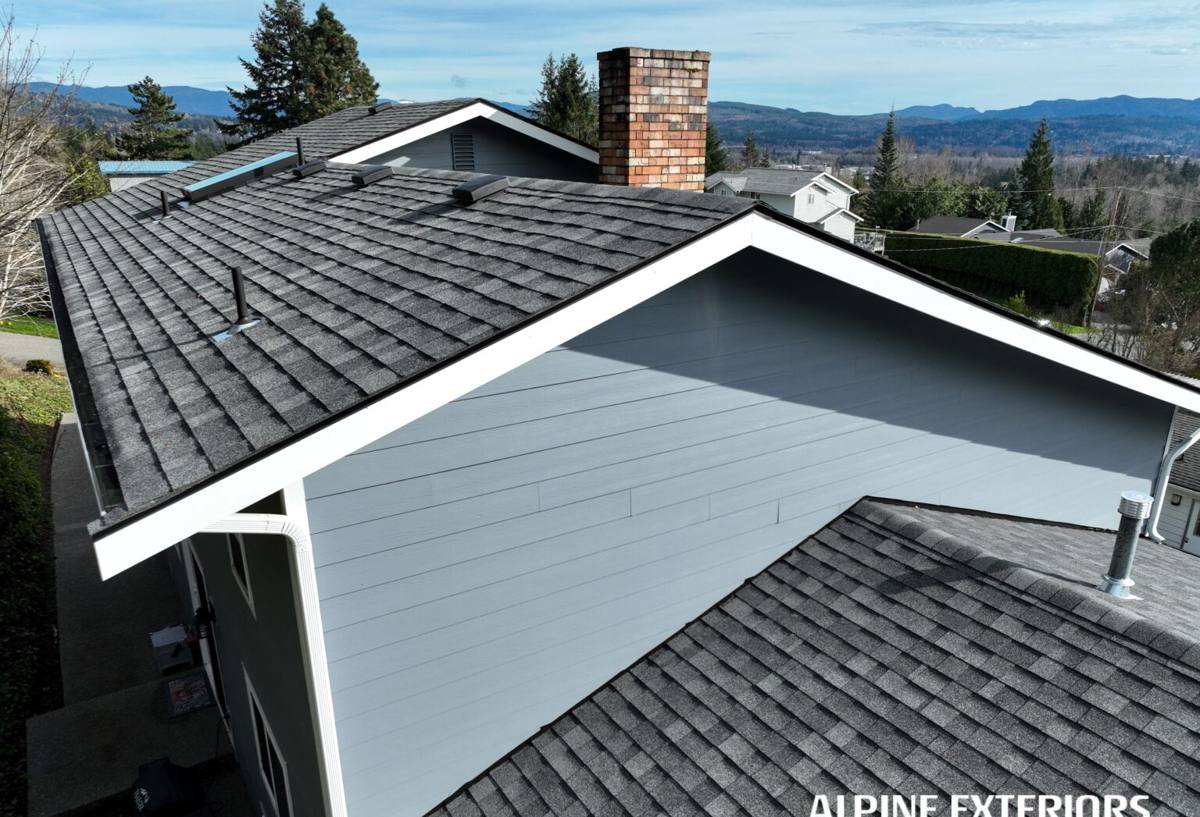
What This Climate Actually Does to a Shingle Roof
Wind
Sarasota County sees tropical storm and hurricane conditions on a near-annual basis, and even routine summer thunderstorms here can produce gusts strong enough to lift poorly fastened shingles. Wind damage almost always starts at the edges — the rakes, eaves, and hips — where uplift pressure is highest. If the starter strip, drip edge, or nailing pattern is off by even a little, that's where the first shingles go.
Year-Round UV
Unlike northern climates where shingles get a winter break, roofs here take direct, intense sun essentially every month of the year. UV breaks down the asphalt binder in shingles over time and drives granule loss, which is the surface layer that protects the mat underneath from sun and water. A shingle rated for a national average lifespan will typically age faster on a Sarasota roof than the same product would up north.
Wind-Driven Rain
Rain that falls straight down is easy for any roof to shed. Rain pushed sideways by 40-60 mph gusts behaves differently — it can drive up and under shingle tabs, work into fastener holes, and find gaps at flashing details that would never leak in calm weather. This is why underlayment choice and flashing detail matter more here than in drier, calmer regions.
Salt Air
University Park isn't beachfront, but Sarasota County as a whole sits close enough to the Gulf that salt-laden air travels well inland, especially with onshore winds. Salt accelerates corrosion on exposed metal — nail heads, flashing, vent stacks, and drip edge — well before the shingles themselves are due for replacement. A roof system that ignores this ages unevenly, with metal components failing first.
What a Correct Asphalt Shingle Roof Includes Here
"Correct" for this area isn't just about the shingle brand on the wrapper. It's the whole assembly working together. A properly built asphalt shingle roof for a University Park home should include:
- Shingles rated for high wind speeds appropriate to Sarasota County's building code requirements, not a generic national-average product
- A sealed, self-adhering underlayment at eaves, valleys, and penetrations — not just standard felt laid loose
- Correct nailing pattern and nail count per shingle, placed in the manufacturer's designated nailing zone (this is the single most common shortcut that causes early wind failure)
- Starter strip shingles at all eaves and rakes, not field shingles cut down and reused as starters
- Corrosion-resistant flashing and fasteners at valleys, walls, chimneys, and vent penetrations
- Balanced attic ventilation (intake at the soffit, exhaust at the ridge) so heat and moisture don't shorten the shingles' life from underneath
Skip any one of these and the roof may still look fine on installation day. The failures show up later — during the next big wind event, or slowly through the next few humid summers.
Choosing the Right Shingle for This Neighborhood
Most homes in University Park are candidates for one of three general asphalt shingle categories. Each has real trade-offs worth understanding before you pick one, rather than just picking on price.
| Shingle Type | Wind Performance | Typical Lifespan Here | Best Fit |
|---|---|---|---|
| 3-tab shingles | Lowest wind rating of the three; more seams and edges exposed to uplift | Shortest, given local UV and wind exposure | Budget-driven projects, secondary structures |
| Architectural (laminated) shingles | Higher wind rating due to thicker, layered construction | Moderate to long with correct install | Most primary residences in this area |
| Impact-rated (Class 4) shingles | Highest wind and impact resistance; reinforced mat resists cracking | Longest, and often eligible for insurance premium credits | Homeowners prioritizing storm resilience and insurance savings |
We don't push one tier on every homeowner. A well-installed architectural shingle is a sound, proven choice for most University Park roofs. Where it makes sense — often for exposed roof planes or homeowners looking to offset insurance costs — we'll walk you through whether stepping up to a Class 4 product pencils out for your specific situation.
Our Installation Process, Step by Step
A shingle roof is only as good as the steps nobody sees once it's done. Here's how we approach a re-roof in this area:
- Tear-off and deck inspection. We remove the old roofing down to the deck and inspect every sheet of plywood or OSB for rot, delamination, or soft spots — especially around old penetrations and valleys where leaks tend to originate.
- Deck repair. Any damaged decking is replaced before anything goes back down. Fastening new shingles over a compromised deck is one of the most common causes of premature failure.
- Underlayment installation. Self-adhering, waterproof underlayment goes down at eaves, valleys, and penetrations, with synthetic underlayment across the remaining field for wind-driven rain protection.
- Drip edge and starter strip. Corrosion-resistant metal drip edge is installed at eaves and rakes first, followed by starter shingles — the detail most responsible for edge wind resistance.
- Shingle installation. Field shingles go down with the manufacturer-specified nail count, placed correctly in the nailing zone, working in proper courses and offset patterns.
- Flashing at all penetrations. Chimneys, walls, skylights, and vent stacks each get flashing sized and formed for that specific detail, not a one-size caulk-and-hope approach.
- Ridge venting and final details. Ridge vent and ridge cap shingles finish the assembly, balanced against soffit intake to keep the attic properly ventilated.
- Cleanup and final walkthrough. Magnetic sweep for nails, full site cleanup, and a walkthrough so you know exactly what was done and what to watch for going forward.
What Drives Cost on a University Park Re-Roof
Every roof is different, so we won't quote a number without seeing yours — but these are the factors that typically move the price up or down:
| Factor | Why It Matters |
|---|---|
| Roof size and number of planes | More area and more hips/valleys mean more material and labor |
| Deck condition | Rotted or delaminated decking found at tear-off adds repair cost |
| Shingle tier chosen | 3-tab, architectural, and Class 4 impact-rated shingles carry different material costs |
| Number of penetrations | Chimneys, skylights, and vent stacks each require individual flashing work |
| Existing layers | Full tear-off of old layers costs more than a single-layer removal, but is usually the right call structurally |
| Access and pitch | Steep or hard-to-access roofs take longer and require more safety setup |
Be cautious of any quote that skips a real inspection or comes in far below others without explanation — on a coastal Florida roof, the difference is usually hiding in the underlayment, fastening, and flashing detail, not the shingle bundle itself.
Maintenance and Inspection Checklist for This Climate
Asphalt shingle roofs in University Park benefit from routine attention, especially given the salt air and storm exposure. A simple seasonal check can catch small problems before they become interior damage:
- Look for lifted, cracked, or missing shingles after any significant wind event
- Check valleys and around penetrations for granule buildup in gutters, a sign of accelerated wear
- Inspect flashing and fasteners for early rust or corrosion, particularly after salt-heavy weather stretches
- Confirm gutters and downspouts are clear so wind-driven rain has somewhere to go
- Check attic ventilation isn't blocked by insulation or debris
- Have a professional inspection done after major storms, even if there's no visible interior leak yet
Common Problems We Find on Roofs in This Area
Working regularly in this neighborhood, we see the same handful of issues repeat. Wind uplift at eaves and rakes is the most common, usually traced back to an under-fastened starter course or nails placed outside the manufacturer's nailing zone. Nail pops are common too — the constant heat cycling here expands and contracts decking and shingles daily, and over years that works fasteners loose if they weren't seated correctly to begin with. Granule loss from sustained UV exposure shows up as bald patches, usually first on south- and west-facing roof planes that take the most direct sun. And corrosion at flashing and exposed fasteners tends to show up earlier here than roofing guides written for other climates would suggest, simply because of the salt content in the air.
Permits, Codes, and Insurance Considerations
A full roof replacement in Sarasota County requires a permit, and the work is inspected at required stages before it's closed out — that inspection exists to confirm the underlayment, fastening, and flashing were actually done to code, not just that the finished shingles look right from the ground. Florida's building code sets minimum wind resistance standards for roofing materials and installation methods, and those requirements are not optional extras — they're the baseline. Separately, many homeowners' insurance carriers offer premium credits for wind mitigation features, including certain roof coverings, shapes, and the age of the roof system. If reducing your insurance cost matters to you, it's worth discussing before you settle on a shingle tier, since the paperwork from a proper installation can support a mitigation inspection down the road.
Why Local Experience in University Park Matters
University Park is a well-established, mature neighborhood with a lot of tree canopy, HOA-governed exterior standards on many streets, and homes built across a range of decades — which means roof age, deck condition, and prior repair quality vary a lot from house to house. A crew that already works in this specific area knows what to check for before pricing the job, understands the aesthetic expectations that come with an HOA community, and isn't guessing at what Sarasota County's permitting and inspection process requires. That familiarity translates into fewer surprises mid-project and a roof system actually matched to what this exact stretch of coastline puts it through.
If you're weighing a repair, a partial re-roof, or a full replacement, we're glad to take a look and walk you through your options honestly — including when a repair is genuinely the better call. Reach out for a free, no-pressure estimate using the form below.