 Sarasota Roofing
 Siding Replacement in The Meadows: What Makes This Neighborhood Different
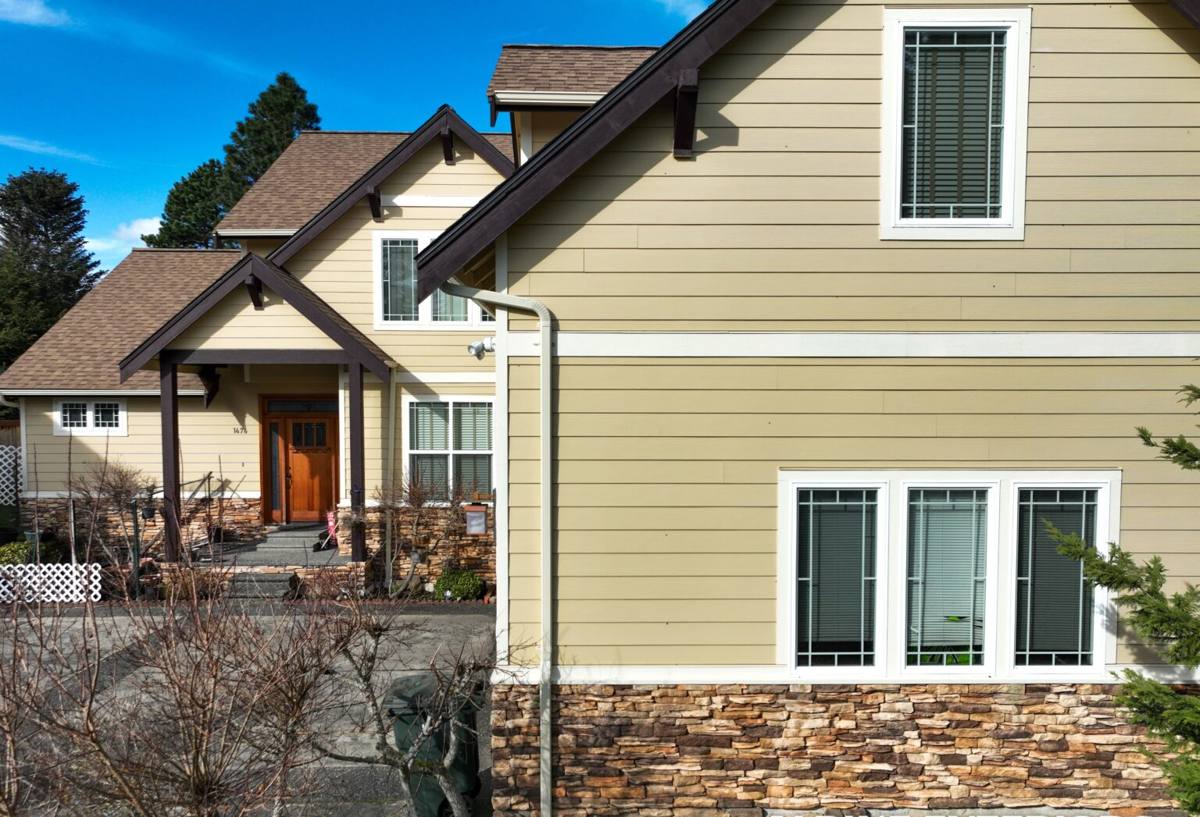
The Meadows is one of Sarasota's older established residential communities, built out over several decades and known for its mature tree canopy, golf courses, and quiet, curving streets. That maturity is part of what makes the neighborhood attractive — and part of what makes siding replacement here a little different than a new-construction subdivision on the edge of town. Homes have had decades of exposure to Gulf Coast weather, many sit under heavy oak or pine canopy that keeps surfaces damp longer after a storm, and the original siding on older homes was often installed before today's moisture-management and wind-rating standards existed.
When we replace siding in The Meadows, we're not just swapping old material for new. We're correcting whatever the original installation got wrong, accounting for shade and drainage patterns specific to a mature, tree-lined lot, and installing a product system that's actually engineered for Sarasota County's climate — not just wrapped around a house and left to see how it holds up.
How Sarasota's Climate Wears Down Siding Year After Year
Hurricane-Force Wind Loads
Sarasota County sits squarely in a hurricane-exposed wind zone. Siding doesn't just need to look good — it needs to stay attached and intact under sustained high winds and the pressure changes that come with them. Fastening pattern, panel engineering, and edge/corner detailing all matter more here than they would in a low-wind-zone state.
Intense, Year-Round UV Exposure
Florida sun is stronger and more consistent than almost anywhere else in the continental U.S. Siding finishes that aren't formulated for this level of UV exposure chalk, fade unevenly, and lose their color coat years ahead of schedule — especially on south- and west-facing walls that get direct afternoon sun.
Wind-Driven Rain and Moisture Intrusion
It's not just how much rain Sarasota gets — it's how that rain arrives. Wind-driven rain during storms and afternoon squalls gets forced sideways and upward into laps, joints, and penetrations that would stay dry in a calmer climate. Combined with shaded, slow-drying lots common in The Meadows, this is where poorly detailed siding fails first: not on the face of the panel, but behind it.
Salt Air and Corrosion
The Meadows sits inland from the immediate coastline, but Sarasota's proximity to the Gulf still means measurable salt content in the air, especially during onshore wind events. Salt-laden humidity accelerates corrosion of fasteners, trim, and any metal components used in the wall assembly, and it degrades lower-quality finishes faster than inland climates would.
Signs Your Siding Has Reached the End of Its Service Life
Most homeowners don't think about their siding until something looks obviously wrong. By the time damage is visible from the street, there's often more going on behind the surface. Walk your exterior and look for:
- Soft, spongy, or bubbling spots when you press on the siding, especially near the bottom edges and around windows
- Visible cracking, buckling, or panels that have pulled away from the wall
- Paint that's peeling, blistering, or needing repainting far more often than it used to
- Persistent staining, streaking, or dark patches that don't clean off, particularly in shaded areas
- Gaps opening up at seams, corners, or where siding meets trim, windows, or the roofline
- A musty smell in interior rooms along an exterior wall, which can point to moisture intrusion behind the siding
- Visible rust streaking from fasteners or trim
Any one of these can be a cosmetic issue on its own. Several at once, or any sign of soft or spongy material, usually means moisture has already gotten past the surface and into the wall assembly.
Why We Install Only James Hardie Fiber Cement Siding
We made a decision as a company to install exclusively James Hardie fiber cement siding, and we don't install vinyl, LP SmartSide, Cemplank, Allura, or wood products like primed spruce or cedar. That's not a marketing position — it's a standard we hold because of what we've seen these products do, and not do, in Sarasota's specific combination of wind, UV, and moisture.
Built for Florida Humidity: The HZ10 Product Line
James Hardie engineers its siding by climate zone. Homes in Sarasota fall into the HZ10 zone, which is formulated specifically for hot, humid, high-moisture climates like the Gulf Coast — as opposed to the HZ5 formulation used in colder, drier northern regions. That distinction matters: a fiber cement product engineered for freeze-thaw cycles in the Midwest is not the same product, chemically or structurally, as one engineered to resist constant humidity and moisture cycling in Florida.
ColorPlus Factory Finish
Rather than relying on a job-site paint job to hold up against year-round Florida UV, Hardie's ColorPlus finish is baked on in a controlled factory process, cured in multiple coats, and backed by its own finish warranty. It resists fading and chalking far better than field-applied paint, which matters enormously on the sun-battered south and west elevations that are common throughout The Meadows.
Non-Combustible Core
Fiber cement is non-combustible by nature. That's not the primary reason we chose it, but it's a real, tangible advantage over wood-based or engineered-wood siding products, and it's one more reason the product performs consistently over the decades homeowners expect to keep it.
We're upfront that other products have real strengths — vinyl is inexpensive, engineered wood is easy to install quickly, cedar has a look some homeowners love. But when we weigh installation sensitivity, moisture behavior over 20-plus years, maintenance burden, and warranty structure against what Sarasota's climate actually does to a house, Hardie is the product we're willing to put our name behind.
What a Correct Siding Replacement Job Involves
Tear-Off and Substrate Inspection
Replacement starts with full removal of the old siding, not an overlay. That's the only way to actually see the sheathing underneath. In a neighborhood with as much home age variation as The Meadows, we routinely find soft sheathing, old flashing that was never properly integrated, or moisture staining that wouldn't have been visible from outside. Any compromised substrate gets repaired before a single new panel goes up — installing new siding over a damaged wall just hides the problem for a few more years.
Moisture Barrier and Flashing Details
A weather-resistive barrier goes over the sheathing, and every window, door, and penetration gets properly integrated flashing so water is directed out and down, never trapped behind the cladding. Given how much wind-driven rain this region sees, this step is where most of the long-term performance of the wall assembly actually gets decided — not at the visible surface.
Fastening and Clearances
Fastener type, spacing, and embedment follow James Hardie's published requirements for our wind zone, not a generic pattern. We also hold correct clearances between the bottom of the siding and grade, roofing, decks, and patios, which is a detail that's frequently skipped and leads to wicking and rot at the bottom course within a few years.
Comparing Siding Options for The Meadows Homes
Every material has a place somewhere. Here's an honest look at how the main options stack up against the specific conditions Sarasota homes face.
| Factor | Vinyl | Engineered Wood (LP SmartSide) | James Hardie Fiber Cement |
|---|---|---|---|
| Upfront cost | Lowest | Mid | Higher |
| Wind performance | Can crack or blow off in high gusts | Good when properly fastened | Engineered for high-wind zones |
| UV/fade resistance | Fades and becomes brittle over time | Depends on field-applied paint | ColorPlus factory finish resists fading |
| Moisture behavior | Doesn't absorb, but traps moisture behind it | Wood-based core can swell if compromised | Dimensionally stable, moisture-resistant core |
| Maintenance | Low, but limited repair options once damaged | Periodic repainting and seam maintenance | Repaint intervals stretched by factory finish |
| Typical lifespan | 15-25 years | 20-30 years | 30-50+ years when installed to spec |
Cost is real and we won't pretend otherwise — Hardie siding costs more upfront than vinyl or engineered wood. What that cost buys in Sarasota specifically is a product formulated for this exact climate, a finish that's built to survive it, and a much longer runway before the next full replacement.
Our Process From Estimate to Final Walkthrough
Every job follows the same sequence, whether it's one wall or a full exterior:
- On-site inspection and measurement, including a look at the current substrate condition wherever we can access it
- A written estimate that spells out product, color, scope, and what we found during inspection — no vague line items
- Scheduling that accounts for weather and, where relevant, coordination around HOA or permit requirements specific to the property
- Full tear-off, substrate repair as needed, weather barrier and flashing installation, then Hardie panel or lap installation to manufacturer and wind-zone specification
- Trim, caulking, and paint touch-up as required by the chosen finish system
- Final walkthrough with the homeowner before we consider the job done
Why Hiring a Crew That Already Works in The Meadows Matters
Siding work in an established, tree-canopied neighborhood like The Meadows comes with details that don't show up on a generic bid. Mature landscaping means more debris and organic buildup against lower courses, more shaded, slow-drying wall sections, and often tighter access around trees and existing hardscaping than a newer subdivision would have. Homes built decades apart sit on the same street, which means substrate condition, existing flashing quality, and even original construction shortcuts vary house to house in ways a crew unfamiliar with the area won't anticipate.
A crew that already works this neighborhood knows to expect that variation, knows how Sarasota County's permitting and inspection process runs for exterior work, and isn't guessing at how a shaded, canopy-covered lot behaves differently than an open one. That local familiarity shows up in fewer surprises mid-project and a wall assembly that's actually built for the lot it's on.
If your home in The Meadows is due for new siding, we're happy to take a look and give you a straightforward, no-pressure estimate — no obligation, just an honest read on your home's condition and what correct James Hardie installation would involve. The form below gets you started.