 Sarasota Roofing
 The Meadows Sits at the Center of Sarasota's Toughest Siding Conditions
The Meadows is one of Sarasota's more established residential communities — mature tree canopy, deed-restricted streets, and homes that have weathered decades of Gulf Coast summers. That age and setting is exactly why siding decisions here carry more weight than they would in a brand-new subdivision. A home in The Meadows isn't just facing sun and rain; it's facing hurricane-force wind events, sustained UV exposure nearly year-round, wind-driven rain that finds every gap in a wall assembly, and salt-laden air drifting in off the Gulf. Siding that isn't engineered for that combination doesn't fail gracefully — it fails early, and often quietly, behind a facade that still looks fine from the curb.
This page covers what James Hardie fiber cement siding specifically means for homes in The Meadows: what the climate demands, what a correct installation actually involves, and why the crew doing the work matters as much as the material itself.
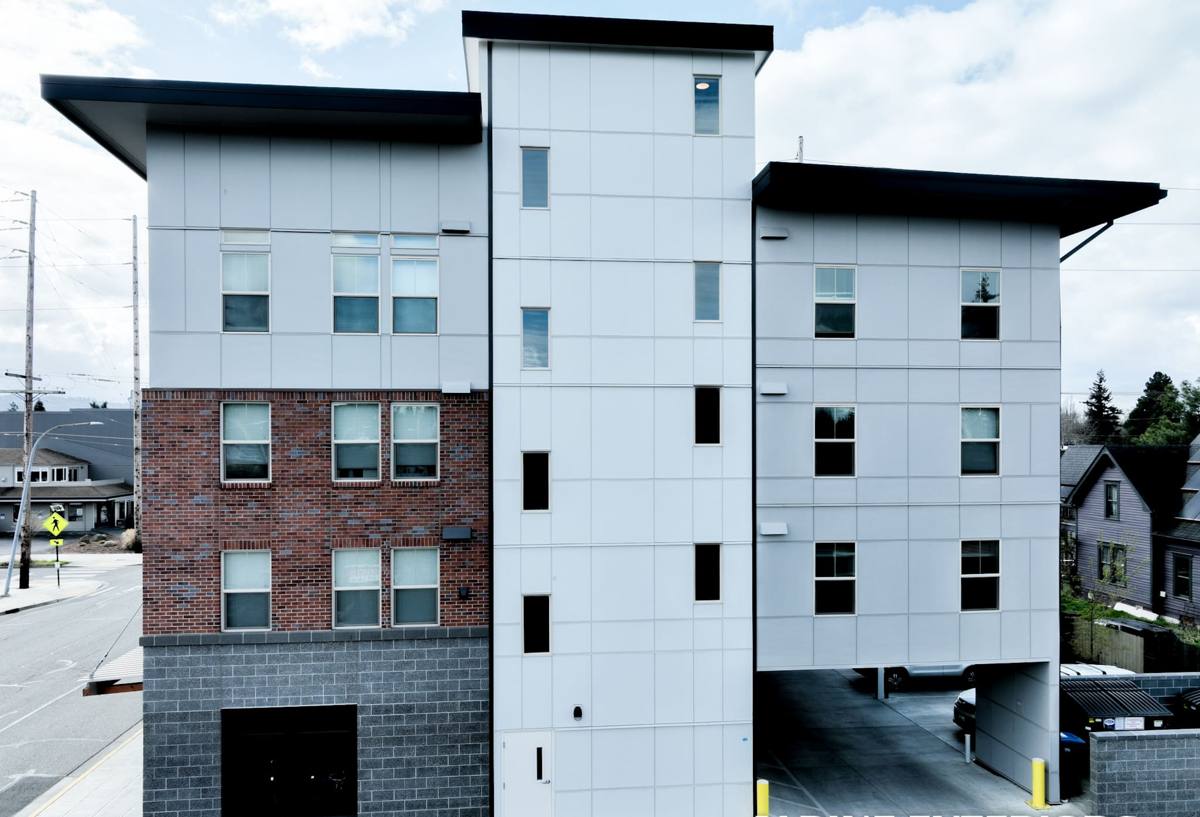
What Hurricane Winds, UV, Wind-Driven Rain, and Salt Air Do to Exterior Siding
Wind and Storm Pressure
Sarasota County sits inside a wind-borne debris region, and siding on any home here has to survive both sustained pressure and sudden gusts during tropical systems. Panels or planks that aren't fastened to a tight, correct pattern can flex, work loose, or peel away entirely in a strong storm — and once one section fails, wind gets underneath the rest and the damage cascades fast.
UV and Heat Cycling
Florida sun is relentless. Siding faces near-constant UV exposure combined with daily heat-up-and-cool-down cycles. Cheaper finishes chalk, fade, and become brittle under that stress. The material and the finish both have to be engineered to hold their color and flexibility through thousands of these cycles, not just look good the day it's installed.
Wind-Driven Rain and Moisture Intrusion
Rain in this region rarely falls straight down — storms push it sideways, driving water into laps, seams, and penetrations that a vertical-only rain screen was never designed to handle. Once moisture gets behind siding and can't dry out, it doesn't matter how good the surface still looks; rot, mold, and sheathing damage are already underway.
Salt Air and Corrosion
Even a few miles inland, salt carried on Gulf breezes settles on exterior surfaces and accelerates the breakdown of fasteners, trim, and lower-grade siding materials. Over years, that slow corrosion is one of the most underrated reasons Florida siding jobs age faster than the same product would in a drier, inland climate.
Why We Install Only James Hardie Fiber Cement — Not Vinyl, LP, or Cedar
We made a decision as a company to install James Hardie fiber cement siding exclusively. We don't install vinyl, LP SmartSide, Cemplank, Allura, primed spruce, or cedar. That's not a marketing line — it's a standard we hold because of what we've seen these materials do, and not do, under exactly the conditions described above.
Vinyl softens and can deform in high heat, and in a strong wind event it's more prone to cracking or blowing off than fiber cement. Wood-based siding — including engineered wood products and traditional cedar — depends on flawless sealing and ongoing maintenance to keep moisture out; in a humid, storm-exposed climate like Sarasota County's, that margin for error is thin. Fiber cement alternatives to Hardie can perform reasonably well, but we've standardized on one manufacturer so our crews master one installation system to the letter, rather than splitting expertise across several products with different fastening rules, flashing details, and finish warranties. James Hardie is non-combustible, engineered specifically for humid climates, and backed by a strong transferable warranty — that combination is why it's the only product that goes on homes we work on.
The James Hardie Product Line Built for This Climate
James Hardie makes climate-specific product lines, and homes in Sarasota County fall into their HZ5 engineering zone — formulated for high humidity, heavy rain, and the freeze-thaw is a non-issue here, but moisture and heat resistance are the priority. For The Meadows specifically, we typically discuss lap siding, board-and-batten, and trim/soffit combinations, all finished in James Hardie's factory-applied ColorPlus finish, which is baked on and warranted separately from the substrate — meaning the color coat is engineered to resist Florida UV fade in the same way the board itself is engineered to resist moisture.
| Material | Wind/Storm Resistance | UV & Fade Resistance | Moisture Behavior in Humid Climate | Typical Warranty Structure |
|---|---|---|---|---|
| James Hardie fiber cement (HZ5) | Engineered for high-wind installation specs | Factory ColorPlus finish resists fading | Non-combustible, dimensionally stable, resists moisture-driven warping | Strong transferable product warranty |
| Vinyl siding | Can crack or dislodge under high wind loads | Field-applied color, prone to fading/chalking over time | Can trap moisture behind panels if not detailed correctly | Varies widely by manufacturer/grade |
| Wood/engineered wood (LP, cedar) | Performs adequately if maintained, vulnerable if not | Requires repainting/resealing on a maintenance schedule | Highest sensitivity to moisture intrusion and rot | Often conditional on strict maintenance compliance |
What a Correct James Hardie Installation Involves in The Meadows
Fastening & Nailing Pattern for Wind Zones
James Hardie publishes specific fastener spacing and nailing patterns tied to wind zone, and Sarasota County's exposure means we don't cut corners on this — under-fastened siding is one of the most common causes of premature failure in a hurricane-exposed area, and it's invisible from the ground until a storm finds it.
Flashing, Weather Barrier & Moisture Management
Correct installation starts before a single plank goes up: a properly lapped weather-resistant barrier, correctly integrated window and door flashing, and drainage gaps at the bottom of the wall so any moisture that does get behind the siding has somewhere to go. This is the part of the job that's completely hidden once the siding is up — and the part most likely to be rushed on a lower-bid job.
Caulking, Painting & ColorPlus Finish
Field-cut edges need to be sealed with a Hardie-approved product, joints need the right sealant and technique, and where field painting is used instead of ColorPlus, the primer and paint system matters. Getting this step wrong is a common source of early edge-swelling, even on a correctly fastened installation.
Our Process for The Meadows Homeowners
- On-site assessment of your home's current siding, wall assembly, and any moisture or wind damage already present.
- Product and profile selection — lap width, texture, trim details, and ColorPlus color, matched to your home and any community exterior guidelines.
- A written scope covering fastening spec, flashing and weather-barrier detail, and cleanup/disposal of old material.
- Installation to James Hardie's published specifications for our wind zone, with flashing and drainage details inspected before siding closes them in.
- Final walk-through so you understand the warranty coverage and what routine care (if any) is expected going forward.
Why Hiring a Crew That Already Works in The Meadows Matters
The Meadows is an established, deed-restricted community with mature landscaping and long-standing exterior guidelines that many neighborhoods this age share. A crew that's worked in communities like this already understands how to plan around narrower access, protect mature landscaping during tear-off and installation, and manage the paperwork or approval steps an HOA may require before exterior work begins — so the project doesn't stall waiting on something that should have been handled up front.
There's also a practical climate reason: homes shaded by heavy tree canopy hold moisture and organic debris (leaf litter, pollen, tannins) against siding longer than an open lot does. That changes how we think about ventilation gaps and bottom-of-wall drainage details on a shaded lot versus a full-sun lot, even within the same neighborhood.
- Ask whether the contractor is a certified James Hardie installer, not just someone who has installed it occasionally.
- Ask what wind zone fastening pattern they'll use and whether it's documented in the written scope.
- Ask how they handle HOA approval documentation and timelines before work starts.
- Ask how they protect mature trees, irrigation, and landscaping during tear-off and disposal.
- Ask what's covered by the manufacturer's warranty versus the installer's workmanship warranty, and get both in writing.
- Ask for references from other homes in the same climate zone, not just photos.
Cost Factors for a The Meadows James Hardie Siding Project
Every home is different, so we won't quote a number without seeing the house — but the same handful of factors drive most of the variation we see on projects in this area.
| Cost Factor | Why It Matters |
|---|---|
| Home size and wall complexity | More corners, gables, and trim detail mean more cutting, flashing, and labor time. |
| Existing siding removal and substrate condition | Any hidden rot or sheathing damage found during tear-off has to be repaired before new siding goes on. |
| Product profile and finish | Lap width, board-and-batten versus traditional lap, and ColorPlus color selection all affect material cost. |
| Access and site conditions | Mature landscaping, tight side yards, and HOA-mandated work hours can affect labor time and scheduling. |
| Trim, soffit, and accessory scope | Full exterior packages cost more than siding alone but avoid mismatched materials down the road. |
Maintenance and Long-Term Care After Installation
One advantage of fiber cement over wood-based alternatives is how little ongoing maintenance it demands — but "little" isn't "none," especially with salt air and heavy tree cover in the mix.
- Rinse siding periodically to clear salt residue, pollen, and tree debris, particularly on shaded elevations.
- Inspect caulked joints and trim intersections annually for cracking or separation, especially after a busy storm season.
- Keep irrigation heads aimed away from siding — constant sprinkler contact accelerates staining and mineral buildup.
- Trim back vegetation that stays in contact with siding, which traps moisture against the surface.
- Have any storm impact inspected promptly, even if damage looks cosmetic — hidden fastener or flashing issues are easier to fix before the next major weather event.
If you're weighing a siding replacement or repair in The Meadows, we're happy to take a look and walk you through what your home specifically needs — no pressure, no obligation. Use the form below to request a free estimate.