 Sarasota Roofing
 Storm Damage Roof Repair in Rosemary District
Rosemary District sits close to downtown Sarasota, which means it catches the same weather everything else near the bay does: fast-moving summer storms off the Gulf, tropical systems that track through Sarasota County, and the long stretch of intense sun in between. The neighborhood's mix of older homes and newer construction means roofs here are at very different points in their service life, and storm damage doesn't treat them the same way. A roof installed a decade ago and one installed last year can come through the same storm with very different problems, and both need an honest, specific look rather than a generic patch job.
This page covers what storm damage roof repair actually means for homes in this part of Sarasota, what a correct repair involves, and why it matters to work with a crew that already knows the area.
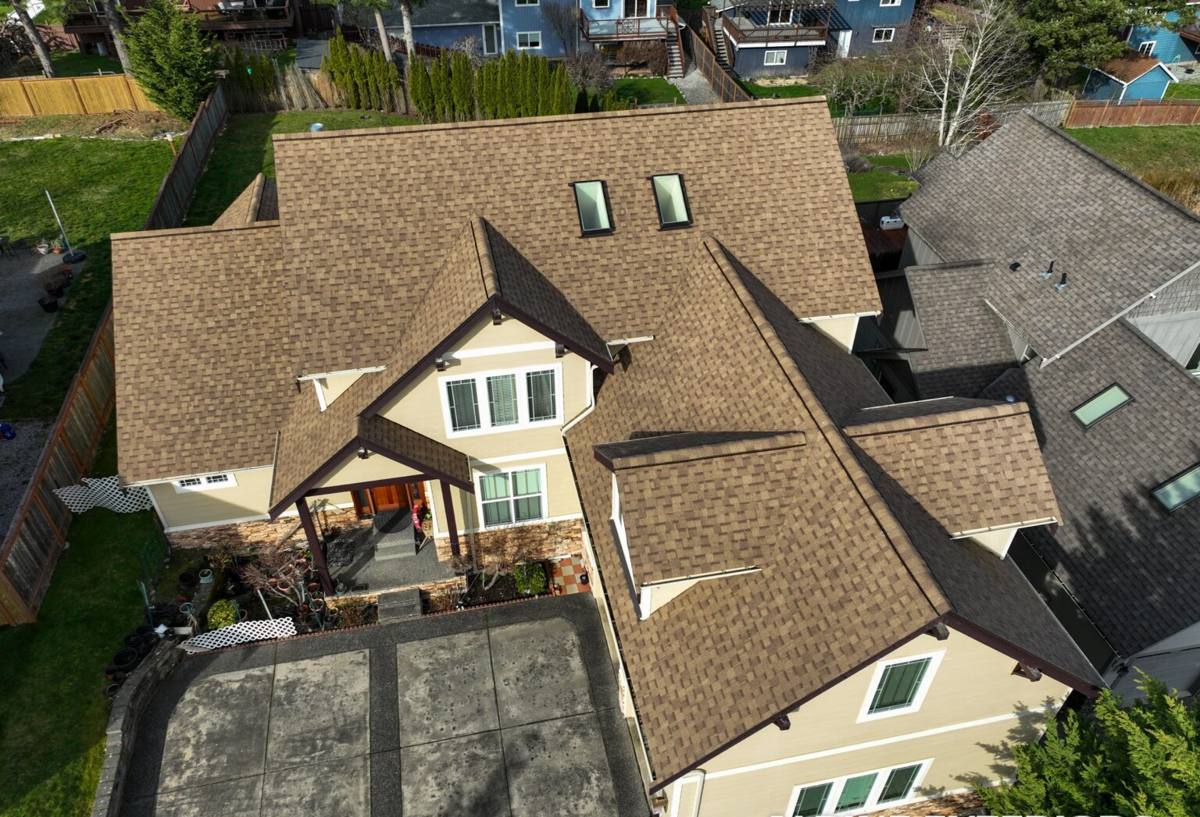
What Sarasota's Climate Actually Does to a Roof
It's easy to think of "storm damage" as a single event — a bad afternoon, a named storm, a lot of wind. In practice, Sarasota roofs take damage from several different forces, often stacked on top of each other over time:
- Hurricane-force and tropical-storm-force wind lifts shingle tabs, works fasteners loose, and peels back edges and ridges where uplift is strongest.
- Wind-driven rain doesn't fall straight down — it gets forced sideways and upward under shingles, into vents, and around flashing that would keep out a normal rain but not a sideways one.
- Intense, near year-round UV exposure bakes shingle mat and asphalt over time, making materials more brittle and less able to flex without cracking when wind hits them.
- Salt air, even at Rosemary District's distance from the water, accelerates corrosion on exposed metal — nails, flashing, vent stacks, and drip edge — long before most homeowners notice a problem.
None of these show up as a single dramatic failure most of the time. They show up as a roof that looked fine, took one more storm than it could handle, and now has a leak, missing shingles, or a soft spot in the decking. Understanding that combination is the difference between a repair that lasts and one that just covers the symptom.
Why Rosemary District's Housing Mix Matters Here
Rosemary District has a real mix of older bungalow-era homes and newer infill construction, and that mix matters for storm repair in a few concrete ways:
Older homes
Older roof decking, older nailing patterns, and older or non-existent underlayment systems mean storm damage can expose problems that predate the storm itself — decking that's been slowly weakened by years of heat cycling, or flashing details that were adequate decades ago but don't meet current wind and water standards. A storm often just reveals what was already there.
Newer construction
Newer homes are typically built to more current wind-load codes, but "newer" doesn't mean "storm-proof," and it doesn't mean every component was installed correctly. We still find under-driven nails, missing starter strip, or flashing details that were rushed — issues that only become obvious once wind and rain test them directly.
Either way, the right repair starts with figuring out what's actually happening under the surface, not just replacing what's visibly missing.
What a Correct Storm Damage Repair Actually Involves
A rushed storm repair replaces what's obviously missing and calls it done. A correct one works through the whole system, because wind and water rarely damage just one component in isolation.
- Full roof assessment — not just the area with the visible leak or missing shingles. Wind damage often starts at edges, ridges, and penetrations that aren't visible from the ground.
- Decking check — any area where water got past the shingle layer gets checked for soft spots, delamination, or rot before anything new goes down. Covering damaged decking with new shingles just hides a problem that will resurface.
- Underlayment evaluation — the water-resistant barrier under the shingles is what actually keeps wind-driven rain out during the next storm. If it's old, damaged, or was never properly installed, patching shingles on top doesn't fix the real vulnerability.
- Flashing inspection — around chimneys, vents, skylights, and roof-to-wall transitions. Flashing failure is one of the most common causes of a leak that looks like a shingle problem but isn't.
- Fastener and attachment review — how shingles are nailed matters as much as what shingles are used. Under-driven or misplaced nails are a leading cause of wind damage that has nothing to do with the shingle's rated wind resistance.
- Matched, code-appropriate repair materials — replacement materials that meet current wind-rating standards for the area, installed to the manufacturer's actual specification rather than a shortcut version.
How Our Process Works
When a Rosemary District homeowner calls after storm damage, the process is straightforward and built to avoid both extremes — under-scoping a repair that fails again, and over-scoping one that isn't needed.
| Step | What Happens |
|---|---|
| Initial inspection | On-site walk of the full roof, not just the damaged section, plus attic/decking check where accessible |
| Written scope | Plain-English explanation of what's damaged, what's still sound, and what repair actually requires |
| Material selection | Matched or code-current materials appropriate to the home's age, roof type, and wind exposure |
| Repair work | Decking, underlayment, flashing, and shingle work performed in that order — never shingles over an unaddressed problem underneath |
| Final walk-through | Review of the completed work and documentation for the homeowner's records |
Every step is explained before work starts. Storm repair shouldn't feel like a mystery, and a homeowner shouldn't have to take a scope on faith.
Common Types of Storm Damage We See Locally
| Damage Type | Typical Cause | Why It Matters |
|---|---|---|
| Lifted or missing shingle tabs | Wind uplift at edges and ridges | Exposes underlayment and fasteners directly to rain |
| Cracked or granule-stripped shingles | UV-brittled material stressed by wind | Weak spots that fail first in the next storm |
| Flashing separation | Wind flexing roof-to-wall or penetration joints | Common source of leaks misread as shingle failure |
| Soft or delaminated decking | Prolonged wind-driven rain intrusion | Won't hold fasteners properly if left unaddressed |
| Corroded fasteners or metal edges | Salt air exposure over time | Weakens the roof's actual wind resistance even before a storm |
Repair vs. Replace: How We Make That Call
Not every storm-damaged roof needs full replacement, and not every repair is enough to actually solve the problem. The honest answer depends on a few factors:
- Extent of decking damage — isolated soft spots are repairable; widespread rot usually isn't cost-effective to patch around.
- Age of the existing roof system — a repair on a roof already near the end of its expected service life often doesn't make financial sense compared to replacement.
- Underlayment condition — if the underlayment is failing broadly, patching shingles over it just delays the same leak.
- Insurance scope — in some cases, the insurance-approved repair scope and what we'd recommend as best practice differ, and we'll tell you plainly where and why.
We'll always give a straight recommendation, including when a repair is genuinely the right call and full replacement isn't necessary.
Insurance and Documentation
Storm damage claims move faster and get approved more accurately when the damage is documented clearly and specifically — not just "storm damage," but what component failed, how, and why it's consistent with wind or wind-driven rain rather than pre-existing wear. We provide written scopes and documentation that can support a homeowner's insurance claim, though the claim decision itself is always between the homeowner and their carrier.
Checklist: After Storm Damage, Before You Call Anyone
- Photograph visible damage from the ground if it's safe to do so — don't get on the roof yourself
- Note the date and approximate time of the storm event
- Check indoors for ceiling stains, damp spots, or attic light coming through where it shouldn't
- Avoid signing any contract or insurance assignment on the spot from a door-to-door crew you haven't vetted
- Get a written scope of damage before agreeing to a repair, not just a verbal estimate
- Ask directly whether decking and underlayment were checked, not just shingles
Why a Crew That Already Works Rosemary District Matters
After a storm moves through Sarasota County, roofing crews that don't normally work the area show up fast, offer quick fixes, and move on before anyone can follow up on the work. A crew that already works Rosemary District regularly has a different set of incentives — the work has to hold up, because the same homeowners, neighbors, and referrals are still here after the crew leaves.
That local presence also means faster response during and after active storm periods, familiarity with the mix of older and newer construction common in the neighborhood, and a working knowledge of what Sarasota's permitting and inspection process actually requires — so repairs are done to code the first time, not flagged and redone later.
Get a Straight Answer on Your Roof
If your roof took a hit in a recent storm, or you're not sure whether what you're seeing is storm damage or something that's been building for a while, we're glad to come take a look. The estimate is free, there's no pressure to commit to anything on the spot, and you'll get a plain-English explanation of what we find — use the form below to get started.